If you are searching for a chiropractor for back pain in Fountain Inn, you are likely dealing with more than a minor inconvenience. Back pain can make it hard to sit through work, bend to pick something up, stand fully upright, or sleep comfortably. The good news is that many common back pain problems may respond to conservative care, including chiropractic evaluation, hands-on treatment, movement guidance, and home strategies tailored to your symptoms.
This guide explains what back pain chiropractic care may involve, when it makes sense to see a provider, what happens at the first chiropractic visit, and how to compare chiropractic care with physical therapy. It is educational only and is not a diagnosis. A qualified provider can review your health history, examine your movement, and help determine what may be appropriate for your specific situation.
To compare nearby options, you can start with Medximity’s directory of chiropractors in Fountain Inn, South Carolina or browse the broader chiropractor provider directory.
What back pain is and why it can happen
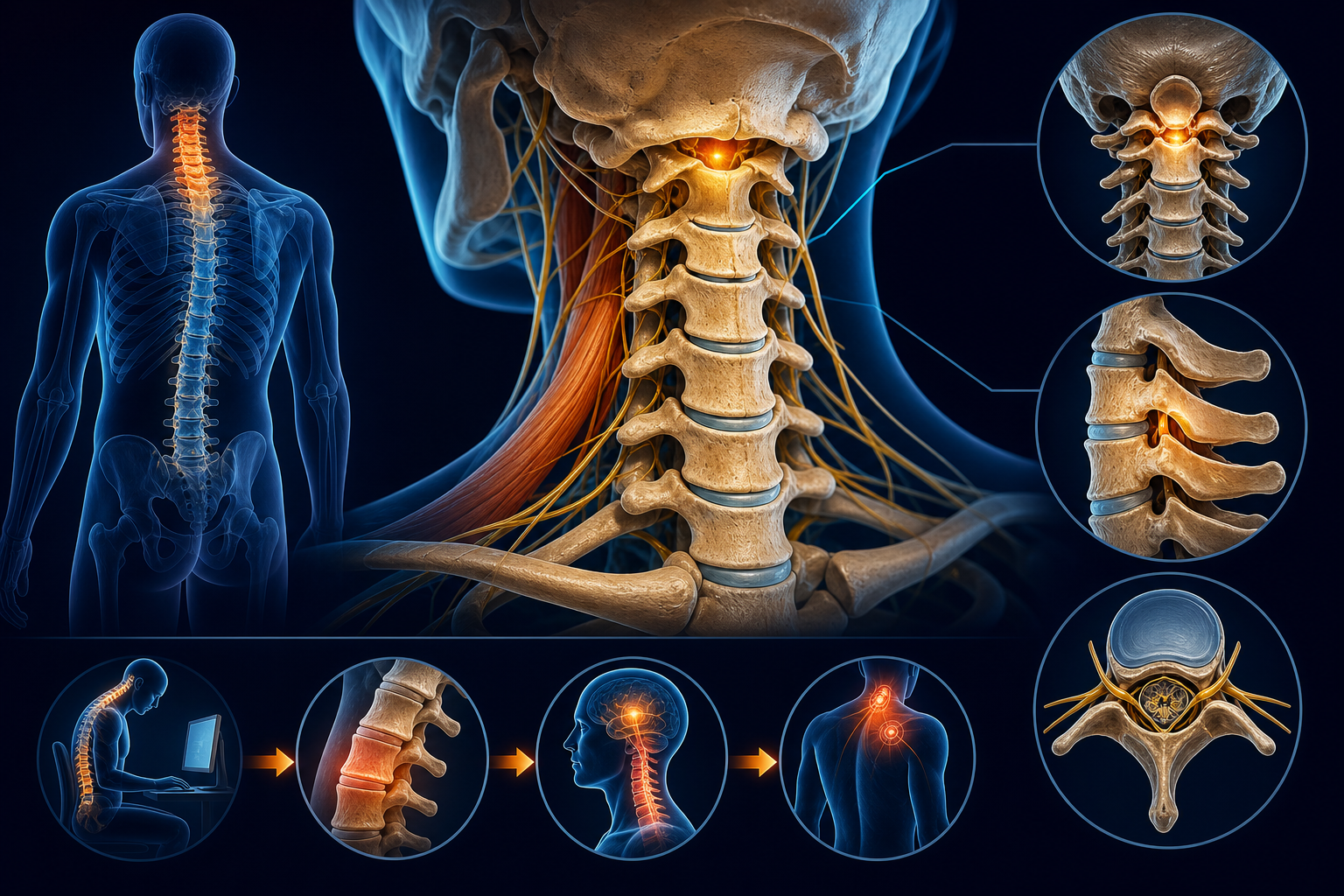
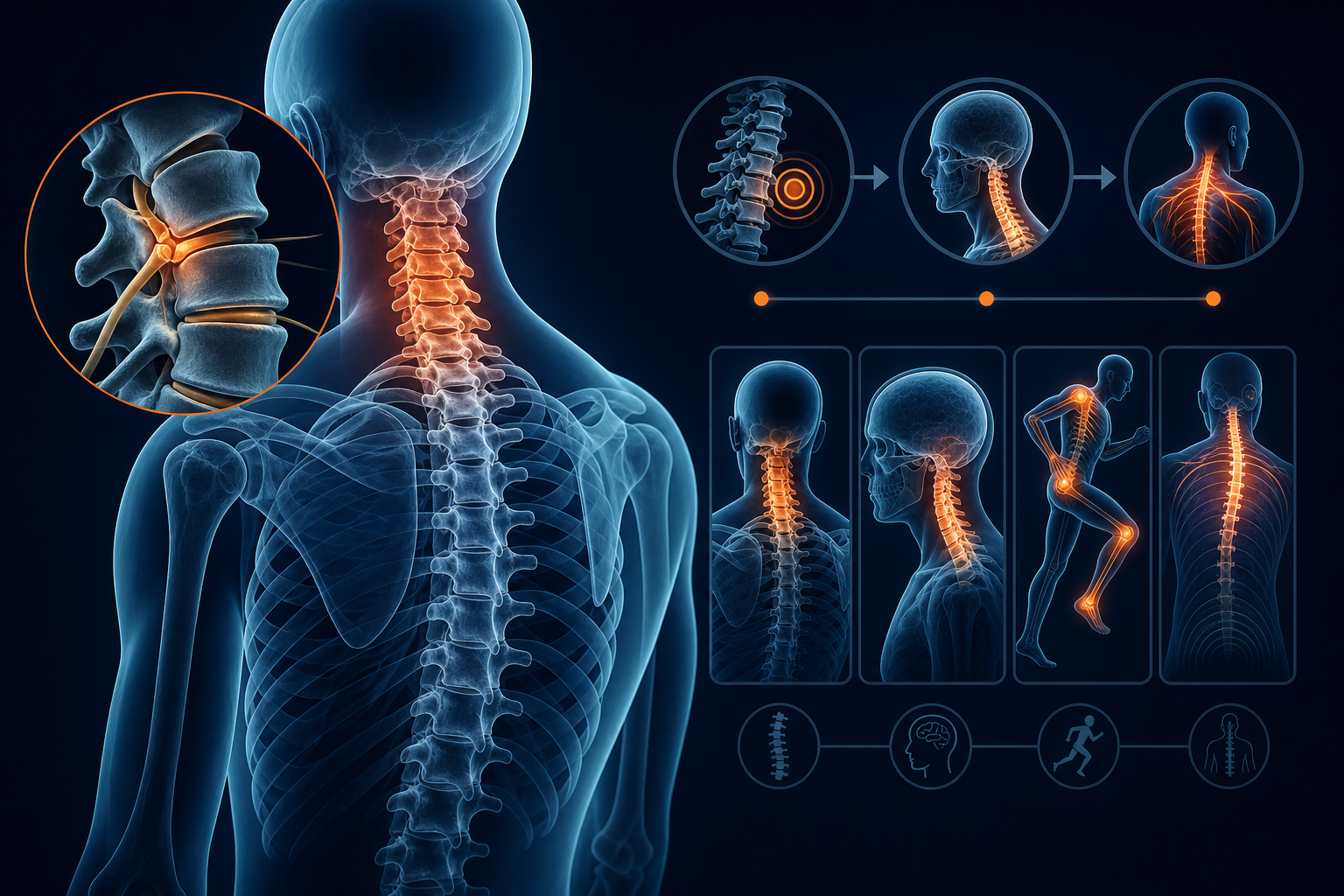
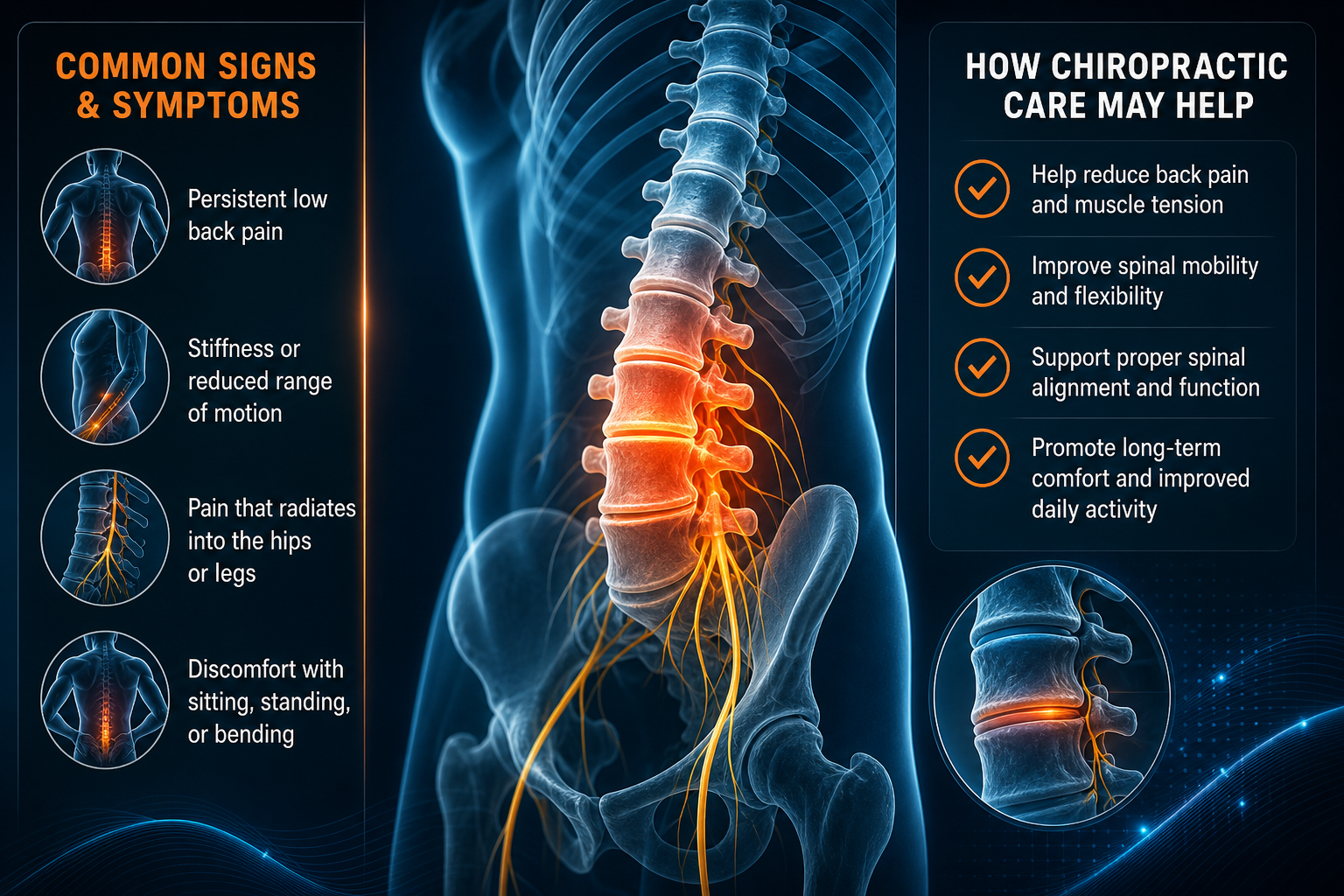
Back pain is a symptom, not a single condition. It may come from irritated joints, strained muscles, sensitive spinal tissues, disc-related irritation, poor movement tolerance, nerve irritation, or a combination of factors. Some people feel a dull ache across the lower back. Others feel sharp pain with certain movements, stiffness after sitting, or discomfort that travels into the hip or leg.
Common patterns include:
- Lower back pain when bending over: This may occur when the spine, hips, or surrounding muscles are not tolerating flexion well. It can also happen after lifting, yardwork, sports, or sitting for long periods.
- Back pain after sitting: If you wonder, “why does my back hurt after sitting,” possible contributors include prolonged spinal loading, limited hip mobility, reduced trunk endurance, or an irritated joint or disc. The exact cause varies by person.
- Can’t stand straight because of back pain: Some people develop protective muscle guarding or a temporary shift in posture when the back is irritated. This should be assessed, especially if it is sudden, severe, or worsening.
- Recurring stiffness: Repeated episodes may be associated with mobility limits, poor recovery, work posture, prior injury, weakness, or activity patterns that overload the same tissues.
For a broader overview of symptoms and conservative care options, Medximity’s guide to back pain conditions may be a helpful starting point.
How a chiropractor may help with back pain
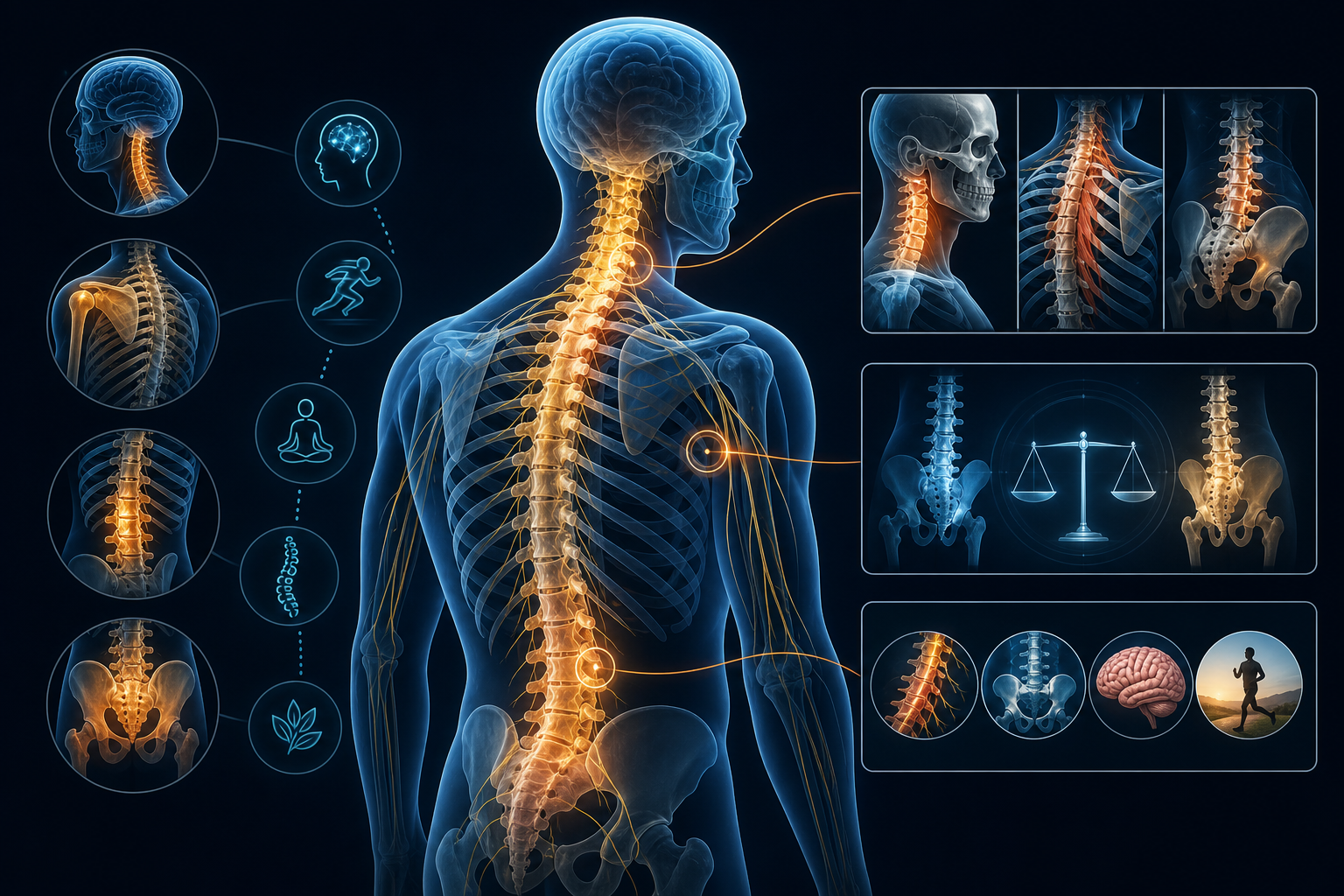
Chiropractic care focuses on the relationship between the spine, joints, muscles, nerves, and movement. For back pain, a chiropractor may use a combination of hands-on care, spinal or joint manipulation, mobilization, soft-tissue techniques, stretching recommendations, strengthening exercises, posture coaching, and ergonomic guidance. The goal is usually to reduce pain sensitivity, improve movement, and help you return to daily activities more comfortably.
A chiropractor for back pain in Fountain Inn may evaluate how your spine moves, where your symptoms are reproduced, whether nerve irritation signs are present, and what activities seem to aggravate or relieve your pain. From there, care is typically adjusted to your age, health history, symptom severity, goals, and comfort level.
Common conservative chiropractic techniques
- Spinal adjustment or manipulation: A controlled, targeted force applied to a joint. Some patients report improved motion or short-term symptom relief, though responses vary.
- Joint mobilization: A gentler, repetitive movement used to address stiffness or improve tolerance to motion.
- Soft-tissue work: Techniques directed at muscles and connective tissue that may be contributing to tightness or guarding.
- Therapeutic exercise: Home or in-office exercises may help improve trunk endurance, hip mobility, and movement confidence.
- Activity modification: Guidance may include how to sit, lift, sleep, drive, or return to exercise without repeatedly aggravating symptoms.
If you want to learn more about hands-on treatment, see Medximity’s page on chiropractic adjustment.
When to see a provider for back pain in Fountain Inn
Many mild back pain episodes improve with time, gentle movement, and sensible activity changes. However, it is reasonable to see a chiropractor or another qualified provider when pain is not improving, keeps returning, interferes with work or sleep, or limits normal movement.
You may want to schedule an evaluation if you have:
- Back pain lasting more than a few days without meaningful improvement
- Pain that returns with sitting, bending, lifting, or standing
- Difficulty standing upright or walking normally
- Lower back pain that affects work, childcare, exercise, or sleep
- Stiffness or pain after a car ride, desk work, or repetitive lifting
- Symptoms that travel into the buttock, hip, or leg
- A recent fall, sports injury, or lifting incident
Seek urgent medical care promptly if back pain is associated with loss of bowel or bladder control, numbness in the groin or saddle area, progressive leg weakness, fever, unexplained weight loss, a major trauma, or severe unrelenting pain. These symptoms can have causes that require immediate medical evaluation.
What happens at the first chiropractic visit?
If you are wondering what happens at first chiropractic visit, the process is usually more detailed than a quick adjustment. The first appointment is designed to understand your symptoms, screen for concerns, and decide whether chiropractic care is appropriate.
Health history and symptom review
Your chiropractor will typically ask when the pain started, what it feels like, where it is located, and what makes it better or worse. They may ask about prior injuries, surgeries, medical conditions, medications, work demands, exercise habits, and whether symptoms travel into the leg. Honest details help the provider identify patterns and avoid care that may not be appropriate for you.
Movement and orthopedic assessment
The exam may include posture observation, spinal range of motion, hip motion, strength testing, reflexes, sensation checks, and orthopedic tests. If your symptoms suggest nerve involvement, your provider may evaluate how the nerves in your lower back and legs are functioning. Imaging is not always needed for uncomplicated back pain, but a provider may refer out when history or exam findings suggest it is appropriate.
Plan of care and first treatment
Depending on your exam, the chiropractor may recommend a trial of conservative care. This could include an adjustment, mobilization, soft-tissue work, gentle exercise, or home instructions. You should have a chance to ask questions and understand the purpose, risks, alternatives, and expected course of care before treatment begins.
How long does chiropractic back pain relief take?
The answer depends on the cause of your pain, how long it has been present, your general health, your activity demands, and how your body responds to treatment. Some people report feeling better after one or a few visits. Others improve gradually over several weeks as mobility, strength, and activity tolerance improve. Chronic or recurring back pain often requires a broader plan that includes movement habits and strengthening, not just passive treatment.
It is best to be cautious with any claim that promises fast or permanent relief. Chiropractic care may help some patients with back pain, but no ethical provider can guarantee a specific outcome. During your first visits, ask how progress will be measured. Useful measures may include pain intensity, ability to bend or stand, sleep quality, walking tolerance, return to work tasks, or reduced flare-up frequency.
Natural treatment for lower back pain: what may be included
People searching for natural treatment for lower back pain or back pain relief without surgery near me are often looking for options that begin conservatively. Conservative care does not mean doing nothing. It means using non-invasive strategies first when appropriate.
A conservative back pain plan may include:
- Chiropractic adjustment or mobilization when appropriate
- Progressive stretching and mobility work
- Core and hip strengthening exercises
- Walking or low-impact activity as tolerated
- Workstation and driving-position changes
- Lifting and bending mechanics coaching
- Heat or ice strategies based on comfort and provider guidance
- Education about flare-ups, pacing, and gradual return to activity
Lower back pain often behaves differently from person to person. For more focused information, visit Medximity’s overview of lower back pain.
Chiropractor vs physical therapy for back pain
Many patients compare chiropractor vs physical therapy for back pain. Both may play a role in conservative care, but the emphasis can differ.
Chiropractors often focus on spinal and joint function, manual therapy, adjustments, mobility, and movement-based advice. Physical therapists often focus on rehabilitation, progressive exercise, strength, balance, functional movement, and return-to-activity planning. In real-world care, there can be overlap. Some chiropractic offices include active rehabilitation, and some physical therapy clinics include manual therapy.
The best choice depends on your symptoms, goals, provider availability, and personal preference. If you need hands-on spinal care and movement guidance, a chiropractor may be a good starting point. If your main issue is rebuilding strength after injury, improving function after a period of limited activity, or returning to sport or work conditioning, physical therapy may be appropriate. Some patients benefit from coordinated care with both disciplines.
You can explore Medximity’s physical therapy directory or read more about physical therapy for back pain when comparing options.
How to choose the best back pain chiropractor near Fountain Inn
The “best” provider is not the same for every patient. A good fit is a chiropractor who listens carefully, performs an appropriate exam, explains your options clearly, and builds a plan that matches your goals and comfort level. Location matters too. If you live or work near Fountain Inn, a convenient office can make it easier to stay consistent with appointments, especially during the early phase of care.
Questions to ask a back pain chiropractor
Before scheduling or during your first visit, consider asking:
- What types of back pain do you commonly evaluate?
- What will the first visit include?
- How do you decide whether an adjustment is appropriate?
- Do you provide exercises or home care recommendations?
- How will we measure progress?
- What symptoms would require referral to another provider?
- How many visits do you typically recommend before reassessing?
- Do you coordinate with physical therapists, primary care providers, or specialists when needed?
These questions can help you understand the provider’s approach and whether the office is a good fit for your needs.
What to expect during ongoing back pain treatment
Ongoing chiropractic care for back pain often changes over time. Early visits may focus on calming symptoms and improving painful movement. As symptoms become more manageable, your provider may emphasize strength, endurance, flexibility, and daily habits that may reduce future flare-ups.
A typical plan may include:
- A short trial of care with reassessment
- Hands-on treatment based on exam findings
- Specific exercises to practice between visits
- Advice for sitting, lifting, sleeping, or driving
- Gradual return to normal activities
- Referral if symptoms are not responding as expected
Your provider should explain why each part of the plan is recommended. If you are uncomfortable with a technique, say so. Many chiropractors can modify positioning, pressure, or treatment style.
Finding back pain treatment in Fountain Inn
If back pain is interrupting your routine, you do not have to guess which provider to call. Medximity helps patients compare providers and learn about conservative care options in one place. You can review local chiropractic options, consider whether physical therapy may also be useful, and prepare questions before your first appointment.
Start your search for back pain treatment in Fountain Inn by viewing Fountain Inn chiropractors on Medximity. A careful evaluation can help clarify what may be contributing to your symptoms and what conservative next steps may make sense for you.
Frequently asked questions
Can a chiropractor help with lower back pain when bending over?
Chiropractic care may help some people with lower back pain when bending over, depending on the cause. A chiropractor can evaluate spinal motion, hip mobility, muscle guarding, and signs of nerve irritation. Treatment may include hands-on care, movement coaching, and exercises to improve bending tolerance.
Why does my back hurt after sitting?
Back pain after sitting may be associated with prolonged spinal loading, limited movement, hip stiffness, reduced core endurance, or irritated spinal tissues. A provider can assess your specific pattern and may recommend changes to sitting position, movement breaks, mobility work, or strengthening.
How long does chiropractic back pain relief take?
Some patients report improvement after a few visits, while others improve more gradually over several weeks. The timeline depends on the source of symptoms, how long the pain has been present, daily activity demands, and how consistently the care plan is followed. Relief is not guaranteed, so progress should be reassessed regularly.
What happens at a first chiropractic visit for back pain?
A first visit usually includes a health history, symptom review, movement exam, orthopedic or neurologic screening when appropriate, and a discussion of treatment options. If chiropractic care appears appropriate, the provider may begin treatment and give home recommendations.
Is chiropractic care or physical therapy better for back pain?
Neither is automatically better for every person. Chiropractic care may emphasize spinal mobility, manual therapy, and adjustments, while physical therapy often emphasizes rehabilitation and progressive exercise. Some patients benefit from one approach, and others may benefit from both.
When should I seek urgent care for back pain?
Seek urgent medical evaluation if back pain occurs with loss of bowel or bladder control, groin or saddle numbness, progressive leg weakness, fever, major trauma, unexplained weight loss, or severe pain that does not ease. These symptoms may indicate a more serious condition.