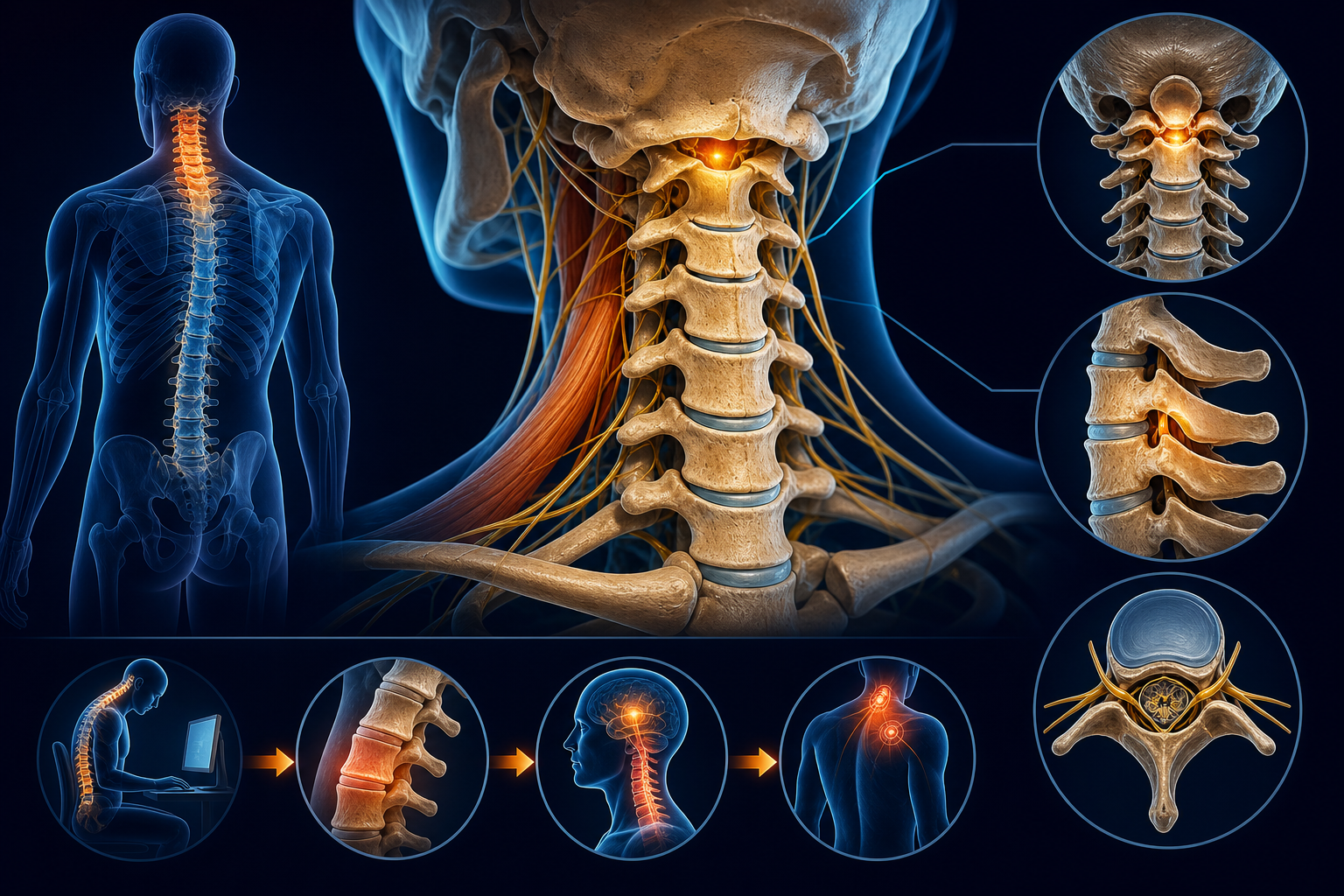
Chiropractic treatment for back pain is a conservative, non-surgical approach that focuses on the spine, joints, muscles, and movement patterns that may contribute to pain or stiffness. For many people, back pain improves with time, activity changes, guided exercise, and hands-on care. A chiropractor may help identify mechanical factors that are associated with symptoms and create a plan to improve mobility, comfort, and function.
If you are searching for a chiropractor near me for back pain, it helps to understand what chiropractic care can and cannot do. Chiropractic treatment does not replace emergency care, and it cannot guarantee a cure. It may, however, be one part of a practical plan for back pain treatment without surgery near me, especially when symptoms appear related to posture, joint stiffness, muscle strain, or movement intolerance.
Medximity helps patients compare conservative care options and find providers in their area. You can start by browsing chiropractors on Medximity or learning more about back pain and common conservative treatment options.
What Is Chiropractic Treatment for Back Pain?
When patients ask, what is chiropractic treatment for back pain, the simplest answer is this: chiropractic care uses clinical evaluation, hands-on techniques, movement guidance, and education to address musculoskeletal sources of back pain. The goal is usually to improve how the spine and surrounding tissues move, reduce irritation, and help the patient return to daily activities safely.
A chiropractic plan may include spinal manipulation, also called an adjustment, as well as soft tissue therapy, stretching, mobility work, strengthening exercises, posture coaching, and ergonomic recommendations. A spinal adjustment for lower back pain is typically a controlled, targeted movement applied to a spinal joint. Some adjustments create a popping sound, which is gas releasing from the joint space, but that sound is not required for treatment to be useful.
Chiropractors also evaluate whether back pain may need medical referral. Symptoms can come from muscles, joints, discs, nerves, inflammatory conditions, or other causes. A qualified provider should tailor care to the exam findings rather than applying the same treatment to every patient.
Common Types of Back Pain a Chiropractor May Treat
Back pain is not one single condition. It can feel dull, sharp, tight, burning, or radiating. It may appear after lifting, prolonged sitting, a sports activity, a car ride, or no obvious event at all. Chiropractic treatment may be considered for several common mechanical back pain patterns.
Lower Back Pain
Many patients look for the best chiropractor for lower back pain because the lumbar spine carries a large amount of daily load. Lower back pain may be associated with irritated joints, muscle guarding, limited hip mobility, poor lifting mechanics, or prolonged sitting. A treatment for lower back pain chiropractor plan may include adjustments, rehabilitative exercise, and coaching on how to move without repeatedly aggravating symptoms.
You can also review Medximity resources on lower back pain to understand common causes and conservative care options.
Back Pain When Bending Over
Back pain when bending over chiropractor searches are common because bending is part of everyday life: tying shoes, picking up laundry, loading groceries, or lifting a child. Pain with bending may be related to muscle strain, sensitivity in spinal joints, limited hip motion, or irritation that increases under flexion. A chiropractor may assess how the spine, pelvis, hips, and hamstrings move together and may recommend safer bending and lifting strategies while symptoms calm down.
Can’t Stand Up Straight Back Pain
If you can’t stand up straight back pain can feel alarming. In many cases, severe stiffness or muscle spasm may make standing upright difficult. However, sudden intense pain, weakness, numbness, loss of bladder or bowel control, fever, unexplained weight loss, or pain after major trauma requires prompt medical evaluation. A chiropractor can screen for warning signs and determine whether conservative care is appropriate or whether another type of provider should be involved.
When to See a Chiropractor for Back Pain
Consider seeing a chiropractor if back pain limits normal movement, keeps returning, affects sleep, makes work or exercise difficult, or does not improve with reasonable self-care. You may also benefit from an evaluation if pain is linked to sitting, bending, lifting, driving, or a recent increase in activity.
Seek urgent medical care if back pain is associated with new or worsening leg weakness, numbness in the groin or saddle area, loss of bladder or bowel control, fever, chest pain, unexplained weight loss, cancer history, or significant trauma. These symptoms do not always mean something serious is present, but they deserve timely evaluation.
If symptoms are not urgent but are interfering with life, use Medximity to search for a chiropractor near you for back pain. If you are unsure whether chiropractic care or another conservative service is the right fit, you can also compare physical therapists on Medximity.
What to Expect During Chiropractic Care
Your first visit usually begins with a health history. The chiropractor may ask when the pain started, what makes it better or worse, whether symptoms travel into the leg, and how pain affects work, sleep, exercise, or daily routines. Be prepared to discuss prior injuries, surgeries, medications, imaging, and other health conditions.
Examination
The exam may include posture observation, range-of-motion testing, orthopedic tests, neurologic screening, muscle strength checks, reflexes, and palpation of the spine and surrounding muscles. The chiropractor may also assess hips, pelvis, core control, and walking mechanics because lower back pain often involves more than one body region.
Treatment Plan
If chiropractic care appears appropriate, the provider should explain the likely source of symptoms, treatment options, expected visit frequency, and signs that would change the plan. Treatment may include a chiropractic adjustment, soft tissue work, joint mobilization, gentle traction, stretching, or therapeutic exercise. Many chiropractors also give home exercises to support the work done in the clinic.
Follow-Up and Progress Checks
Progress should be monitored. A thoughtful chiropractor will look at changes in pain, mobility, activity tolerance, sleep, and function. If symptoms are not improving as expected, the plan may be modified, or the provider may recommend coordination with another healthcare professional.
Is Chiropractic Care Safe for Back Pain?
A common question is, is chiropractic care safe for back pain? For many patients with mechanical back pain, chiropractic care is generally considered a low-risk conservative option when performed by a licensed provider after an appropriate evaluation. Mild soreness, stiffness, or temporary discomfort can occur after treatment, especially early in care.
Safety depends on the patient’s health history, symptoms, exam findings, and the techniques used. High-velocity spinal manipulation may not be appropriate for everyone. People with certain fractures, severe osteoporosis, infection, some inflammatory conditions, progressive neurologic symptoms, or other medical concerns may need modified care or referral. This is why a careful intake and exam matter.
How Long Does Chiropractic Treatment Take?
How long does chiropractic treatment take depends on the type of back pain, how long symptoms have been present, the patient’s activity level, and whether there are contributing factors such as deconditioning, repetitive work stress, or poor sleep. Some people notice changes within a few visits, while others need a longer plan that includes exercise progression and habit changes.
In general, acute back pain may improve faster than pain that has been present for months or years. Chronic or recurring pain often requires a broader approach that includes strengthening, mobility work, and changes to activities that repeatedly trigger symptoms. A provider should set reasonable expectations and adjust care based on measurable progress.
How to Fix Back Pain Naturally: Conservative Strategies That May Help
Many patients want to know how to fix back pain naturally. While no single strategy works for everyone, several conservative habits may help reduce irritation and support recovery. These include staying gently active, avoiding prolonged bed rest, using comfortable walking as tolerated, improving hip and core strength, adjusting workstation setup, and learning safer lifting mechanics.
Chiropractic care may fit into this approach by improving joint mobility and helping patients move with less guarding. Physical therapy may focus more heavily on progressive exercise and functional retraining. Massage therapy, mobility work, sleep improvement, and gradual return to activity may also play supporting roles for some patients.
For a deeper comparison, read Medximity’s guide to chiropractic care vs physical therapy for back pain.
Chiropractic Care vs Physical Therapy for Back Pain
The question of chiropractic care vs physical therapy back pain does not always have an either-or answer. Chiropractors and physical therapists both treat musculoskeletal pain, but their emphasis may differ. Chiropractors often focus on spinal joint function, manual therapy, and movement mechanics. Physical therapists often focus on exercise progression, strength, balance, and task-specific rehabilitation.
Some patients prefer chiropractic care, some prefer physical therapy, and some benefit from coordinated care. The right option depends on the diagnosis, goals, symptoms, and provider’s clinical approach. If your main issue is restricted spinal movement with muscle guarding, chiropractic care may be a reasonable starting point. If weakness, balance, post-surgical rehabilitation, or sport-specific retraining is central, physical therapy may be especially helpful.
How to Choose a Chiropractor for Lower Back Pain
Choosing the best chiropractor for lower back pain is less about advertising claims and more about clinical fit. Look for a licensed provider who performs a thorough evaluation, explains findings clearly, discusses risks and alternatives, and gives you a plan that includes active self-care rather than passive treatment alone.
It is also reasonable to ask about experience with your type of back pain, whether treatment will include exercise or home guidance, how progress will be measured, and when the provider would refer out if symptoms do not improve. A good provider should welcome questions and avoid promising a specific result.
You can use Medximity’s chiropractor search to compare providers, locations, and available services for conservative back pain care.
FAQ: Chiropractic Treatment for Back Pain
Can a chiropractor help with lower back pain?
A chiropractor may help some patients with lower back pain, especially when symptoms are related to joint stiffness, muscle tension, movement limitations, or mechanical irritation. The provider should evaluate your symptoms and determine whether chiropractic care is appropriate for your situation.
What happens during a spinal adjustment for lower back pain?
During a spinal adjustment for lower back pain, a chiropractor applies a controlled movement to a specific spinal joint. The goal is to improve joint motion and reduce mechanical restriction. Some people hear a popping sound, but the sound itself is not the treatment goal.
When should I not see a chiropractor for back pain?
You should seek urgent medical evaluation rather than routine chiropractic care if back pain occurs with new leg weakness, loss of bladder or bowel control, numbness in the saddle area, fever, unexplained weight loss, or major trauma. A chiropractor may also refer you out if exam findings suggest a condition outside the scope of conservative care.
How many chiropractic visits are needed for back pain?
The number of visits varies. Acute back pain may require a shorter plan, while chronic or recurring pain may need ongoing exercise progression and periodic reassessment. Your chiropractor should explain the expected timeline and update the plan based on your response.
Is chiropractic treatment painful?
Chiropractic treatment is not intended to be painful, though some techniques may feel firm or briefly uncomfortable. Mild soreness after a visit can happen. Tell your provider if a technique does not feel right so the approach can be modified.
Can chiropractic care replace physical therapy?
Chiropractic care and physical therapy overlap, but they are not identical. Chiropractic care often emphasizes spinal mobility and manual therapy, while physical therapy often emphasizes progressive rehabilitation. Some patients benefit from one, and others benefit from both.
Find Chiropractic Treatment for Back Pain Near You
Back pain can interrupt work, sleep, exercise, and simple daily tasks, but many cases can be addressed with conservative care. Chiropractic treatment for back pain may be a helpful option when it is based on a careful exam, realistic goals, and a plan that includes movement, education, and reassessment.
If you are ready to compare providers, start with Medximity’s directory of chiropractors for back pain. A qualified provider can help you understand your symptoms, discuss appropriate treatment options, and guide your next steps safely.