If you are searching for back pain treatment Fountain Inn SC, you are probably looking for answers to practical questions: why your back hurts, whether it may improve on its own, and which local provider can help without pushing you toward unnecessary procedures. Back pain is common, but that does not make it simple. It can come from muscles, joints, discs, nerves, posture, work demands, old injuries, or a combination of factors.
For many people, conservative care is a reasonable starting point. Chiropractic care, physical therapy, rehabilitation exercises, ergonomic changes, and other nonsurgical approaches may help reduce pain, improve mobility, and support safer movement. The right plan depends on your symptoms, medical history, activity level, and examination findings, so it is important to consult a qualified provider before assuming what is causing your pain.
Medximity helps patients compare local conservative-care providers and specialists. If you are ready to explore care options, you can start with chiropractors near Fountain Inn, SC or search for physical therapy for back pain near Fountain Inn.
What Is Back Pain?
Back pain is discomfort, stiffness, aching, burning, tightness, or sharp pain that occurs anywhere along the spine or surrounding muscles. Most people searching for local back pain care are dealing with the lower back, also called the lumbar spine. The lower back carries much of the body’s weight, helps transfer force between the upper and lower body, and works hard during bending, lifting, twisting, walking, and sitting.
Back pain may be acute, meaning it started recently, or chronic, meaning it has lasted for weeks or months. Some episodes begin after a clear event, such as lifting a heavy box, slipping, working in the yard, or exercising. Others develop gradually after long hours sitting, repetitive work, poor sleep, limited mobility, or changes in activity.
Many cases of back pain are related to mechanical factors. That means the pain is associated with how the muscles, joints, discs, nerves, and movement patterns are functioning. Mechanical back pain may respond to conservative treatment, especially when care is tailored to the person rather than built around a one-size-fits-all routine.
What Causes Lower Back Pain?
If you are wondering what causes lower back pain, the honest answer is that there are many possibilities. A provider may consider your symptoms, movement limitations, medical history, work habits, and neurological signs before forming an opinion. Common contributors may include muscle strain, joint irritation, disc-related pain, nerve sensitivity, poor conditioning, prolonged sitting, posture stress, or repetitive lifting.
Muscle Strain and Soft-Tissue Irritation
Muscles, tendons, and ligaments around the lumbar spine can become irritated after sudden movement, overuse, or activity that exceeds your current capacity. This type of pain may feel sore, tight, cramp-like, or sharp during certain motions. Some patients report that pain increases after bending, lifting, coughing, or getting up from a chair.
Joint Stiffness or Irritation
The spine contains small joints that help guide movement. When these joints become stiff or irritated, they may contribute to localized lower back pain. Some people feel worse after staying in one position too long, while others notice discomfort when arching, rotating, or standing for extended periods.
Disc-Related Pain
Spinal discs sit between the vertebrae and help absorb load. Disc-related irritation can contribute to back pain and, in some cases, symptoms into the buttock or leg. Not every disc finding on imaging explains pain, and many people have age-related disc changes without significant symptoms. A clinical evaluation is important because imaging alone does not always tell the full story.
Nerve Irritation
When a nerve root becomes irritated, symptoms may travel from the low back into the hip, buttock, thigh, calf, or foot. Some people describe tingling, numbness, burning, or electric-like pain. These symptoms deserve professional attention, especially if they are worsening or associated with weakness.
Posture, Work, and Daily Habits
Posture is rarely the only cause of back pain, but it can influence symptoms. Long periods of sitting, slouched computer work, driving, repeated lifting, or standing on hard surfaces may place repeated stress on the back. A provider may review your daily routines and suggest realistic modifications. For a deeper patient guide, see Medximity’s article on how to improve posture for back pain.
Common Symptoms That Lead People to Seek Back Pain Treatment
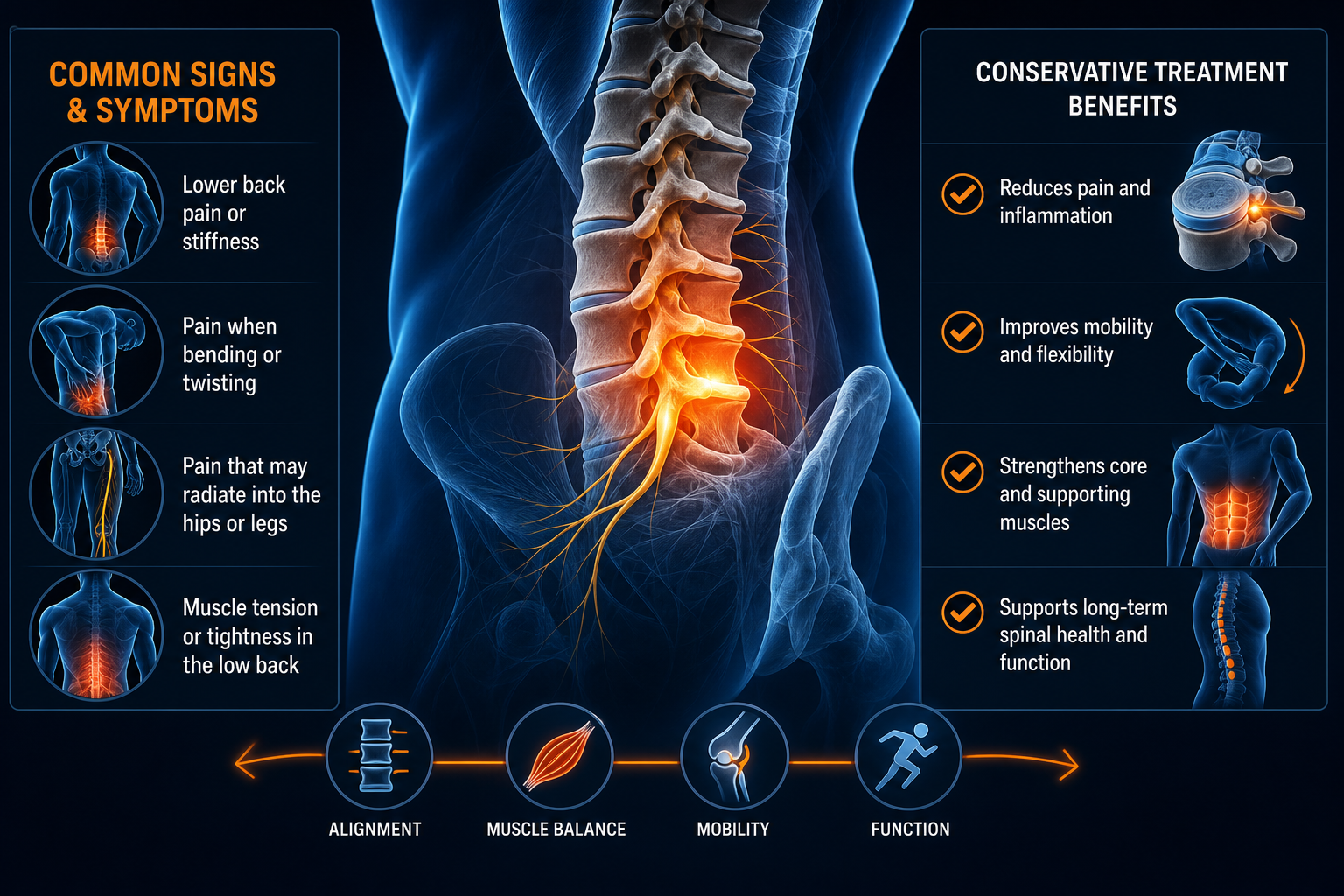
People search for back pain treatment Fountain Inn SC for many reasons. Some are dealing with a new flare-up. Others have had recurring episodes for years and want a more structured plan. Symptoms may include aching, stiffness, sharp pain, spasms, pain with bending, difficulty standing upright, pain after sitting, or discomfort during sleep.
Pain When Bending the Lower Back
Pain when bending lower back movements can happen for several reasons. Bending forward places demand on the discs, muscles, ligaments, hips, and surrounding tissues. If one area is irritated or if your hips and core are not sharing load well, bending may feel uncomfortable. This does not automatically mean there is a serious injury, but it is worth being evaluated if the pain is persistent, intense, or limiting normal activities.
Back Spasms
Many patients ask, is it normal to have back spasms? Back spasms can occur when muscles tighten suddenly and involuntarily. They may be associated with strain, fatigue, joint irritation, protective guarding, dehydration, or changes in activity. Occasional spasms may settle with time and appropriate care, but severe, recurring, or unexplained spasms should be discussed with a provider.
Stiffness After Sitting or Sleeping
Back stiffness after sitting, driving, or waking up may reflect muscle tightness, joint stiffness, mattress or sleep-position issues, or reduced movement variety throughout the day. Some people improve with gentle mobility and activity pacing, while others need a more complete assessment.
Symptoms Down the Leg
Pain, numbness, or tingling that travels into the leg may suggest nerve involvement, although a qualified provider must evaluate the pattern. If leg symptoms are progressive, severe, or associated with weakness, it is especially important to seek care promptly.
When Should You See a Provider for Back Pain?
Many mild back pain episodes improve over time, but you should consider seeing a provider if pain lasts more than a few days, keeps returning, limits work or daily activities, interferes with sleep, or causes you to change how you walk, bend, lift, or sit. A local chiropractor, physical therapist, or medical provider may help identify contributing factors and recommend a safe plan.
You should seek urgent medical attention if back pain is associated with loss of bowel or bladder control, numbness in the groin or saddle area, significant trauma, fever, unexplained weight loss, history of cancer, severe night pain, or rapidly worsening weakness. These signs are not common, but they require prompt evaluation.
If you are searching for the best back pain doctor near me, remember that “best” depends on your needs. Some patients benefit from a chiropractic evaluation. Others need physical therapy, primary care, orthopedic consultation, or coordinated care. Medximity can help you compare providers by location and specialty through a back pain provider search for Fountain Inn, SC.
Back Pain Treatment Without Surgery
Many people prefer to begin with back pain treatment without surgery when appropriate. Conservative care may include spinal manipulation or mobilization, therapeutic exercise, stretching, strengthening, manual therapy, posture coaching, movement retraining, ergonomic changes, and home-care guidance. These approaches are designed to reduce irritation, improve function, and help you move with more confidence.
Conservative care does not mean ignoring pain or simply waiting. A structured plan may help identify what movements are sensitive, what activities are safe to continue, and how to gradually build tolerance. The goal is often not just short-term relief, but also reducing the chance of repeated flare-ups by improving strength, mobility, and movement habits.
For more on nonsurgical options, read Medximity’s guide to back pain treatment without surgery.
Chiropractic Care for Lower Back Pain
Chiropractic care for lower back pain commonly focuses on spinal joint function, mobility, muscle tension, and movement mechanics. Chiropractors may use spinal adjustments, mobilization, soft-tissue techniques, stretching, exercise instruction, and lifestyle recommendations. The exact approach should be based on your evaluation and comfort level.
Some patients seek chiropractic care because they feel stiff, locked up, or restricted. Others have recurring episodes related to work, exercise, or prolonged sitting. A chiropractor may assess range of motion, tenderness, posture, movement patterns, and neurological signs when appropriate. If your symptoms suggest that another type of care is needed, a responsible provider should refer you accordingly.
Chiropractic treatment may help some patients with mechanical low back pain, but outcomes vary. No provider can guarantee that an adjustment or treatment plan will resolve pain. A good visit should include a clear explanation of findings, reasonable goals, and guidance about what to do between appointments. Learn more in Medximity’s article on chiropractic care for lower back pain.
What to Expect at a Chiropractic Visit
Your first visit usually begins with a history. The provider may ask when symptoms started, where pain is located, what makes it better or worse, whether symptoms travel into the leg, and whether you have had previous injuries or imaging. The exam may include posture observation, spinal range of motion, orthopedic tests, palpation, and basic neurological screening.
If chiropractic care appears appropriate, the provider may discuss treatment options. Some patients receive hands-on care during the first visit, while others may need additional evaluation first. Treatment may include adjustments, gentle mobilization, soft-tissue work, stretches, and home recommendations. You should be able to ask questions and decline any technique you are not comfortable with.
Physical Therapy for Back Pain Near Fountain Inn
If you are looking for physical therapy for back pain near me, you may be interested in a plan that emphasizes strengthening, movement retraining, flexibility, and gradual return to activity. Physical therapists often help patients understand which movements are currently sensitive, how to build core and hip strength, and how to progress safely.
Physical therapy may be especially helpful when back pain affects walking, work tasks, sports, balance, lifting, or daily function. A therapist may evaluate posture, gait, hip mobility, spinal movement, strength, endurance, and activity tolerance. Treatment may include therapeutic exercise, manual therapy, neuromuscular re-education, stretching, education, and a home exercise program.
For local options, compare physical therapists near Fountain Inn, SC. You can also read Medximity’s overview of physical therapy for back pain.
What to Expect at Physical Therapy
A first physical therapy visit usually includes a detailed conversation about your symptoms and goals. The therapist may test movement, strength, flexibility, balance, and functional tasks such as squatting, bending, or getting up from a chair. Based on the findings, the therapist may build a plan that progresses over several visits.
Physical therapy is usually active. You may perform exercises in the clinic and receive a home program. The exercises should be matched to your current ability and adjusted as you improve. Some discomfort can occur when returning to movement, but treatment should not feel reckless or unexplained. Communication with your therapist helps keep the plan appropriate.
Natural Treatment for Back Pain: What That Can Mean
Many patients search for natural treatment for back pain because they want options that support healing and function without relying only on medication or invasive procedures. In a conservative-care setting, natural treatment may refer to movement, exercise, stretching, manual therapy, heat or cold use, posture changes, sleep improvements, stress management, hydration, and gradual activity modification.
Natural does not always mean risk-free, and not every home remedy is appropriate for every person. For example, aggressive stretching may irritate some types of back pain, while too much rest may make stiffness worse for others. A provider can help you understand which strategies may fit your symptoms.
Movement and Activity
For many types of uncomplicated back pain, gentle movement may be better tolerated than complete bed rest. Short walks, comfortable mobility drills, and light activity can sometimes help reduce stiffness. The right amount depends on your pain level and the nature of your symptoms.
Strengthening
Core and hip strength can influence how load is distributed through the lower back. Strengthening does not have to mean heavy gym workouts at first. A physical therapist or chiropractor may begin with low-load exercises that teach control and endurance before progressing to more demanding movements.
Ergonomics
Workstation setup, driving posture, lifting habits, and break frequency may affect symptoms. Small changes such as adjusting chair height, keeping frequently used items closer, alternating positions, or taking brief movement breaks may help some people manage irritation.
Massage Therapy vs Chiropractic for Back Pain
Patients often compare massage therapy vs chiropractic for back pain. Both may be used in conservative care, but they are not the same. Massage therapy typically focuses on soft tissues such as muscles and fascia. Chiropractic care often focuses on spinal joint mobility, neuromusculoskeletal assessment, and manual techniques that may include adjustments or mobilization.
Massage may help some patients feel less muscle tension and may provide short-term relief. Chiropractic care may be more appropriate when the concern involves spinal mobility, joint restriction, or a broader musculoskeletal evaluation. Some people use both as part of a coordinated plan, while others respond better to one approach. The choice should depend on your symptoms, goals, health history, and provider recommendations.
For a fuller comparison, visit Medximity’s article on massage therapy vs chiropractic for back pain.
How Long Does Back Pain Last?
How long does back pain last? The answer varies. Some mild episodes improve within days. Other cases take several weeks, especially if pain is related to repeated strain, poor conditioning, nerve irritation, or work demands that continue to aggravate symptoms. Chronic back pain may last for months and often requires a more comprehensive management strategy.
Duration depends on factors such as the cause of pain, your general health, sleep quality, stress, activity level, job demands, prior injuries, and whether you receive appropriate care. A provider can help you set realistic expectations. If pain is not improving, keeps returning, or is spreading into the leg, it may be time for an evaluation rather than continued guessing.
How to Improve Posture for Back Pain
Posture is not about holding a perfect position all day. In many cases, the better goal is to vary positions, reduce repeated strain, and build the strength and mobility needed to tolerate daily activities. If you are asking how to improve posture for back pain, start by thinking about your most common positions: desk work, driving, phone use, sleeping, lifting, and standing.
Use More Than One “Good” Posture
The body usually does not like being held still for hours, even in a posture that looks ideal. Changing positions throughout the day may help reduce stiffness. Sit, stand, walk, stretch gently, and reset your position when you notice tension building.
Support the Lower Back When Sitting
Some people feel better with a small lumbar support or a chair that allows the feet to rest flat. The hips and knees do not need to be locked into an exact angle, but you should feel supported enough that your lower back is not constantly working to hold you upright.
Practice Hip-Hinge Mechanics
When bending to pick something up, many people benefit from learning how to hinge through the hips instead of rounding only through the lower back. This can distribute load more evenly. A physical therapist or chiropractor can teach this safely if bending is painful.
Strengthen Gradually
Posture is partly an endurance issue. If your back and hips fatigue quickly, you may slump or compensate even when you know what “good posture” looks like. Gradual strengthening may help you maintain more comfortable positions over time.
Choosing a Back Pain Provider in Fountain Inn, SC
When comparing providers for back pain treatment Fountain Inn SC, look for a clinician who listens carefully, explains findings clearly, and gives you a plan that makes sense. The right provider should ask about your goals, screen for warning signs, and adjust care based on your response. Treatment should feel collaborative, not rushed or confusing.
You may want to ask whether the provider commonly treats lower back pain, what techniques they use, whether they provide home exercises, how progress is measured, and when they refer patients for additional evaluation. If you have leg symptoms, prior surgery, osteoporosis, pregnancy, inflammatory conditions, or other medical concerns, mention these before treatment begins.
Medximity makes it easier to compare care options in one place. You can browse Fountain Inn chiropractic providers, review Fountain Inn physical therapy providers, or use a broader Medximity back pain provider search.
What to Bring to Your First Appointment
A little preparation can make your first visit more useful. Bring a list of symptoms, when they started, what makes them better or worse, and any previous diagnoses or imaging reports if you have them. You do not need imaging before every back pain visit, but if you already have reports, they may help your provider understand your history.
Wear clothing that allows you to move comfortably. Be ready to describe your work duties, exercise routine, sleep position, driving habits, and any recent changes in activity. If you have tried home care, braces, massage, stretching, or prior treatment, tell the provider what helped and what did not.
Questions to Ask Before Starting Treatment
Good care includes clear communication. Consider asking: What do you think may be contributing to my pain? Are there any signs that suggest I need additional evaluation? What treatment options fit my symptoms? What should I do at home? Are there activities I should temporarily modify? How will we measure progress? When should I expect to reassess the plan?
These questions do not replace medical advice, but they can help you understand the plan. You should leave with a reasonable sense of what is being treated, why a certain approach is being used, and what changes would prompt a different strategy.
FAQ: Back Pain Treatment Fountain Inn SC
What causes lower back pain?
Lower back pain may be associated with muscle strain, joint irritation, disc-related changes, nerve sensitivity, posture stress, repetitive lifting, prolonged sitting, or reduced strength and mobility. A provider can help determine which factors may be relevant in your case.
When should I see a provider for back pain?
Consider seeing a provider if pain lasts more than a few days, keeps returning, limits normal activity, affects sleep, or travels into the leg. Seek urgent medical attention for red flags such as loss of bowel or bladder control, saddle numbness, fever, major trauma, or rapidly worsening weakness.
Is chiropractic care for lower back pain safe?
Chiropractic care may be appropriate for some patients with mechanical lower back pain. Safety depends on your health history, symptoms, examination findings, and the techniques used. A qualified chiropractor should screen for concerns and explain treatment options before care begins.
Can physical therapy help back pain?
Physical therapy may help many patients improve strength, mobility, movement confidence, and activity tolerance. It often includes exercise, education, manual therapy, and a home program tailored to your symptoms and goals.
How long does back pain last?
Some back pain improves within days, while other episodes last several weeks or longer. Chronic or recurring pain may need a structured plan that addresses strength, mobility, work demands, posture, and contributing health factors.
Is it normal to have back spasms?
Back spasms can occur with muscle irritation, fatigue, guarding, or mechanical stress. Occasional spasms may settle, but severe, recurring, or unexplained spasms should be evaluated by a healthcare provider.
What is the difference between massage therapy and chiropractic for back pain?
Massage therapy generally focuses on muscles and soft tissue tension. Chiropractic care typically includes musculoskeletal evaluation and may involve spinal adjustments, mobilization, soft-tissue work, and home-care guidance. Some patients use both, depending on their needs.
Can back pain be treated without surgery?
Many people start with conservative options such as chiropractic care, physical therapy, exercise, posture changes, manual therapy, and activity modification when appropriate. The right approach depends on your symptoms and evaluation findings.
Finding Back Pain Care Near Fountain Inn
Back pain can be frustrating, especially when it interferes with work, family responsibilities, exercise, or sleep. The good news is that many people have conservative options to explore before considering more invasive care. A thoughtful provider can help you understand possible causes, identify safe movements, and build a plan that fits your life.
If you are ready to compare options for back pain treatment Fountain Inn SC, Medximity can help you find local providers who focus on conservative musculoskeletal care. Start by browsing chiropractors, physical therapists, and back pain providers near Fountain Inn, then choose a professional who matches your needs and comfort level.