Back pain affects a significant portion of the adult population at some point in their lives, making it one of the leading reasons people miss work and seek medical care. Whether yours came on suddenly after lifting something heavy or has been building quietly for months, understanding your options for back pain treatment is the first step toward feeling better. This guide walks you through causes, warning signs, and the most commonly recommended conservative treatments—all designed to help you make an informed decision before your next appointment.
What Causes Sudden Lower Back Pain?
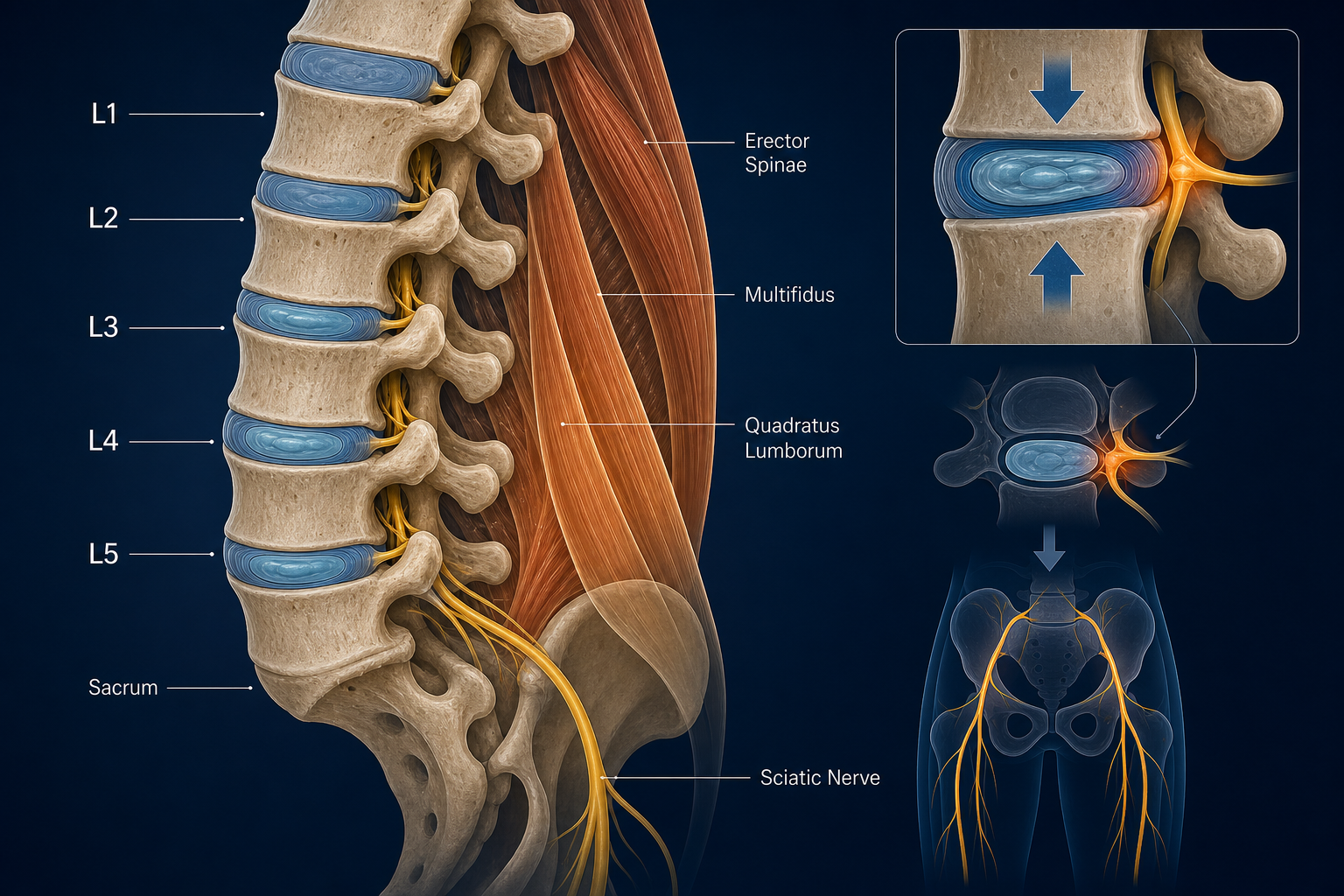
Lower back pain can appear seemingly out of nowhere, leaving you wondering what just happened. In many cases, a specific movement—an awkward twist, a heavy lift, a sudden reach—places stress on muscles, ligaments, or the structures of the lumbar spine. Common underlying causes include:
- Muscle or ligament strain: The most frequent culprit. Overuse or an abrupt movement can stretch soft tissue beyond its comfortable range.
- Herniated or bulging disc: The cushioning discs between vertebrae can shift or press on nearby nerves, producing localized pain or radiating symptoms down the leg (often described as sciatica).
- Facet joint irritation: Small joints along the spine can become inflamed, particularly after prolonged poor posture or repetitive stress.
- Sacroiliac joint dysfunction: The joint connecting the pelvis to the sacrum can become hypermobile or restricted, generating pain felt in the lower back and buttocks.
- Poor ergonomics: Hours spent seated at a desk without adequate lumbar support can load the spine unevenly, especially if your workstation isn't set up with movement in mind.
If your back pain is getting worse when sitting at a desk all day, you are far from alone—and a provider can help identify whether posture, muscle imbalance, or a structural issue is the primary driver.
Acute vs. Chronic Back Pain: What's the Difference?
Understanding the difference between acute and chronic back pain shapes which treatments are most appropriate for your situation.
Acute Back Pain
Acute pain is generally defined as pain that has been present for fewer than six weeks. It often resolves on its own with relative rest, gentle movement, and appropriate conservative care. Many patients with acute lower back pain report significant improvement within a few days to a few weeks, though timelines vary by individual and underlying cause.
Chronic Back Pain
When pain persists beyond three months, it is typically classified as chronic. Chronic back pain may involve sensitization of the nervous system alongside ongoing tissue factors, which is why treatment often requires a more comprehensive, multimodal approach. Research consistently suggests that staying active—rather than resting completely—tends to support better outcomes in both categories.
So, is it normal for back pain to last weeks? A few weeks of discomfort after an acute injury is common, but pain that continues well beyond that window, or pain that worsens, warrants a professional evaluation rather than a wait-and-see approach.
When Should You See a Doctor or Specialist for Back Pain?
Mild soreness after unusual activity often eases with gentle movement and time. However, certain signals suggest you should consult a qualified provider promptly:
- Pain that is severe, constant, or rapidly worsening
- Pain that radiates down one or both legs, particularly below the knee
- Numbness, tingling, or weakness in the legs or feet
- Back pain accompanied by unexplained weight loss, fever, or night sweats
- Loss of bladder or bowel control (seek emergency care immediately if this occurs)
- Pain following a significant injury such as a fall or vehicle accident
- Pain that has not improved after two to four weeks of self-care
When you're ready to connect with a specialist, search for back pain providers near you on Medximity to compare chiropractors, physical therapists, and rehabilitation specialists in your area.
Back Pain Treatment Without Surgery or Medication
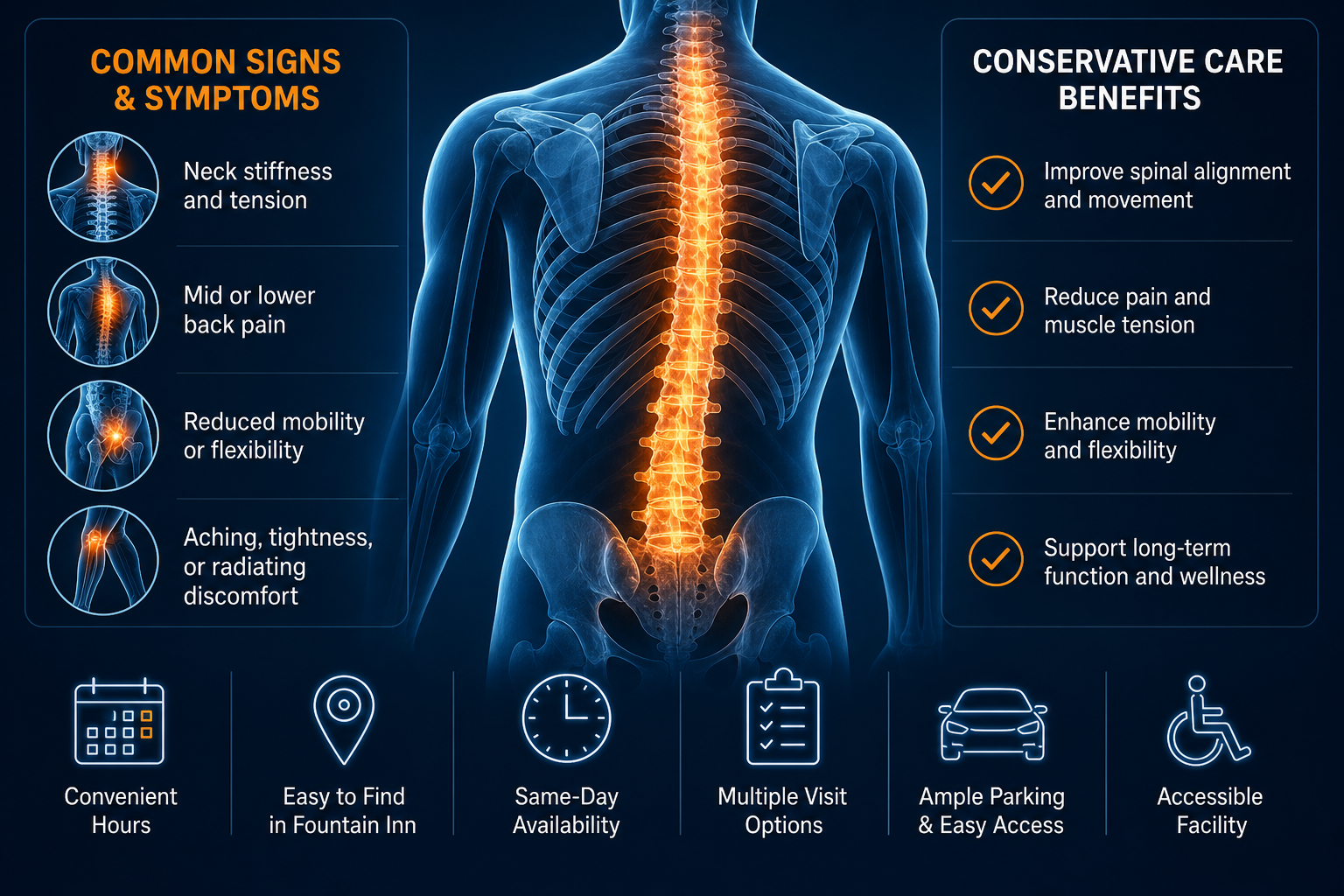
The good news is that the majority of back pain cases respond well to conservative, non-invasive care. Surgery is rarely a first-line recommendation, and many patients find meaningful relief well before considering more invasive options. Here are the most widely used and evidence-informed conservative approaches.
Chiropractic Adjustment for Lower Back Pain Relief
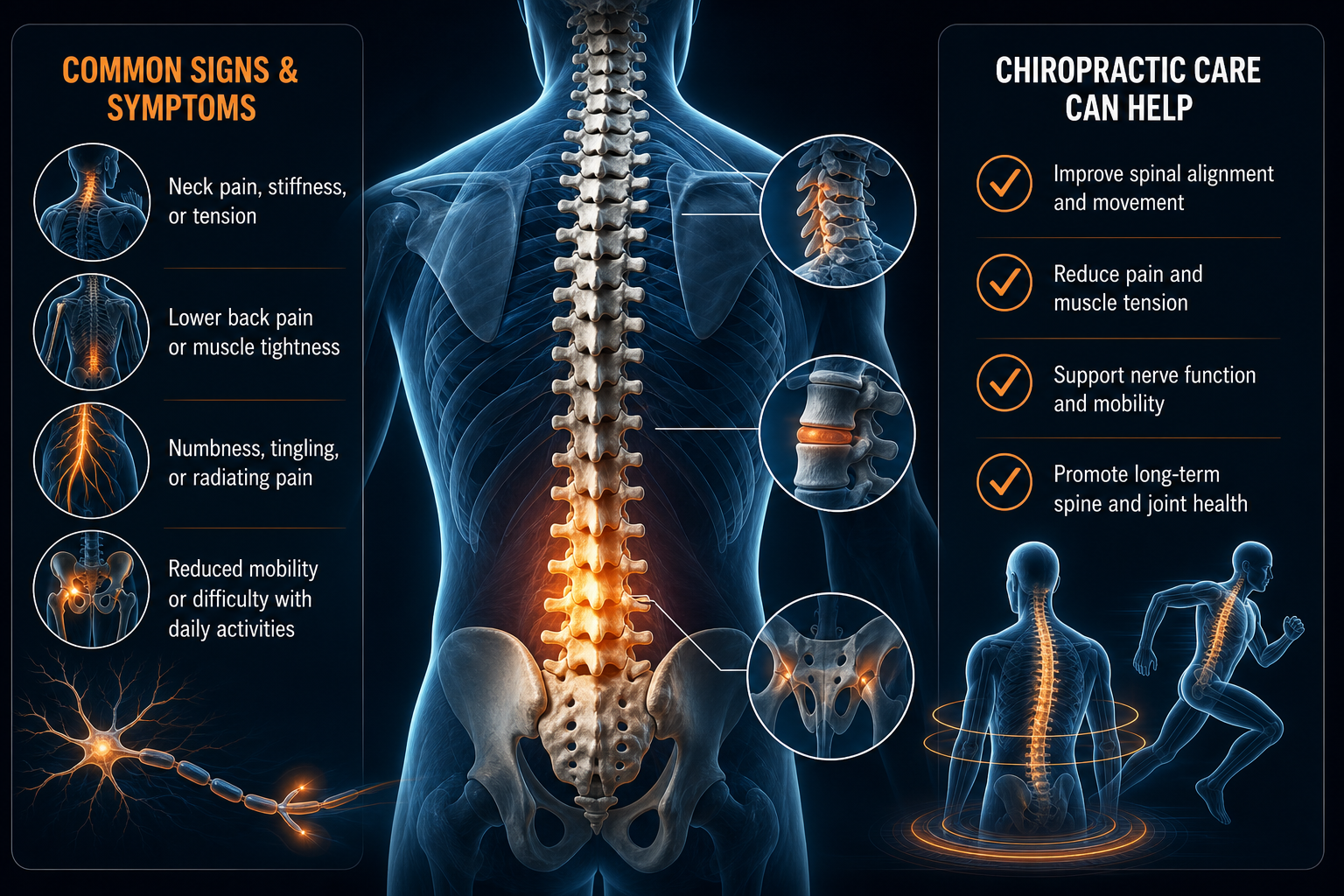
Chiropractic care centers on spinal manipulation and mobilization—hands-on techniques designed to restore movement to joints that may be restricted, reduce muscle tension, and support the body's natural capacity to recover. Research suggests that chiropractic adjustment for lower back pain relief may be effective for both acute and chronic presentations, and clinical guidelines from several major health organizations include spinal manipulation among recommended first-line options for uncomplicated low back pain.
A chiropractor will typically begin with a thorough history and physical examination before developing a care plan. Depending on your presentation, treatment may include spinal manipulation, soft tissue work, exercise guidance, and postural recommendations. If you're wondering how to find the best chiropractor for back pain near you, Medximity's directory lets you filter by specialty, location, insurance, and patient reviews. Browse chiropractors on Medximity to find a provider who fits your needs.
Physical Therapy Exercises for Back Pain Recovery
Physical therapy addresses the muscular and movement contributors to back pain through targeted exercise, manual therapy, and patient education. A licensed physical therapist will assess your strength, flexibility, movement patterns, and any contributing postural habits before building a program specific to you.
Common categories of physical therapy exercises for back pain recovery include:
- Core stabilization: Exercises that strengthen the deep muscles supporting the spine, such as the transversus abdominis and multifidus.
- Hip strengthening: Weakness in the glutes and hip stabilizers can shift load disproportionately onto the lower back.
- Flexibility work: Tight hamstrings and hip flexors are frequently associated with increased lumbar stress.
- Postural retraining: Learning how to move, sit, and lift in ways that distribute spinal load more evenly.
Physical therapists may also use hands-on manual therapy, dry needling, ultrasound, or electrical stimulation as adjuncts. Find a physical therapist near you on Medximity to get started with a personalized recovery plan.
Best Stretches to Relieve Lower Back Pain
While nothing replaces a tailored program from a qualified provider, gentle movement is generally encouraged for most types of lower back pain. The following stretches are among the most commonly recommended—though you should check with your provider before beginning any new exercise routine if your pain is significant or has not been evaluated:
- Knee-to-chest stretch: Lying on your back, gently drawing one or both knees toward the chest to decompress the lumbar spine.
- Cat-cow: A gentle spinal flexion and extension sequence performed on hands and knees, often used to restore movement and reduce stiffness.
- Child's pose: A yoga-derived stretch that lengthens the lower back and releases tension in the hips and glutes.
- Piriformis stretch: Targeting the deep hip rotator that can contribute to sciatic-like pain when tight.
- Hip flexor lunge stretch: Useful for those who sit for prolonged periods and may have shortened hip flexors pulling on the lumbar spine.
Consistency matters more than intensity with these movements. Short, frequent sessions throughout the day tend to be more beneficial than a single long stretch. For more specific guidance, explore our detailed article on physical therapy exercises for back pain.
Does Acupuncture Help with Chronic Back Pain?
Acupuncture has gained increasing recognition as a complementary option for chronic musculoskeletal pain. The proposed mechanisms involve stimulation of specific points on the body that may modulate pain signaling pathways, though research is ongoing. Several systematic reviews and clinical guidelines suggest that acupuncture may provide meaningful pain reduction for some patients with chronic lower back pain, and it is considered a reasonable option in a multimodal care plan.
Results vary by individual, and acupuncture is generally best considered as part of a broader treatment strategy rather than a standalone solution. If you're exploring this option, look for a licensed acupuncturist or a chiropractor who incorporates acupuncture into their practice. Search for acupuncture providers on Medximity to find someone experienced with chronic pain presentations.
How Long Does It Take to Recover from Back Pain?
Recovery timelines are highly individual. As a general frame of reference:
- Acute muscle strain: Many patients notice significant improvement within one to three weeks with appropriate care and activity modification.
- Disc-related pain: Recovery may take six weeks to several months, depending on severity and whether nerve involvement is present.
- Chronic back pain: Long-standing pain often requires a sustained, multidisciplinary approach and may improve gradually over several months of consistent treatment and lifestyle adjustment.
Early engagement with a provider—rather than waiting to see if pain resolves on its own—is generally associated with faster recovery and reduced risk of an acute episode becoming chronic. Staying as active as your comfort allows, avoiding prolonged bed rest, and following through on a rehabilitation plan all support better outcomes.
For a deeper look at what recovery timelines typically look like across different conditions, visit our article on how long back pain lasts and when it becomes a concern.
Tips for Managing Back Pain at Your Desk Job
If your back pain is getting worse when sitting at a desk, ergonomic adjustments can make a meaningful difference while you pursue active treatment:
- Position your monitor at eye level to avoid forward head posture, which cascades tension down the spine.
- Keep your feet flat on the floor and hips at approximately 90 degrees—or use a footrest if needed.
- Use a chair with adjustable lumbar support or add a small lumbar roll behind your lower back.
- Set a timer to stand, walk briefly, or stretch for two to three minutes every 30 to 45 minutes.
- Consider a sit-stand desk if prolonged sitting is unavoidable in your role.
These modifications complement—but do not replace—professional care. If your desk-related pain persists, a physical therapist or chiropractor can perform a functional assessment and provide individualized recommendations.
Finding the Right Back Pain Provider Near You
Choosing the right type of provider depends on your symptoms, goals, and how long you've been in pain. Many patients benefit from a collaborative approach—for example, chiropractic care alongside physical therapy—while others find that a single discipline addresses their needs effectively.
Medximity makes it straightforward to compare providers by specialty, location, and patient feedback so you can make a confident, informed choice. Start your provider search on Medximity today and connect with a back pain specialist who can develop a treatment plan tailored to your situation.
Frequently Asked Questions About Back Pain Treatment
What is the most effective treatment for lower back pain?
There is no single treatment that works best for everyone. Current evidence suggests that a combination of active care—including exercise, physical therapy, and spinal manipulation—tends to produce better outcomes than passive approaches alone. The most appropriate plan depends on what is causing your pain, how long you've had it, and your overall health. A qualified provider can help identify the right combination for you.
Can back pain go away without treatment?
Some cases of acute back pain, particularly mild muscle strain, do improve on their own within a few weeks. However, pain that persists beyond two to four weeks, is severe, or involves nerve symptoms (tingling, numbness, leg pain) warrants professional evaluation. Ignoring chronic or worsening pain can sometimes allow underlying issues to progress.
Is chiropractic care safe for lower back pain?
Chiropractic care is generally considered safe for most adults with uncomplicated lower back pain when performed by a licensed chiropractor after an appropriate examination. As with any treatment, certain conditions require modified approaches or may contraindicate spinal manipulation—which is why a thorough intake and examination always precede treatment.
How many physical therapy sessions does it take to recover from back pain?
The number of sessions varies widely depending on the nature and duration of the injury, your baseline fitness, and how consistently you practice the prescribed home exercises. Acute cases may respond within six to eight visits, while chronic or more complex presentations often require a longer course of care. Your physical therapist will reassess progress regularly and adjust the plan accordingly.
Should I rest or stay active when my back hurts?
For most types of back pain, staying gently active is generally preferable to prolonged bed rest. Complete immobility can slow recovery and lead to deconditioning. That said, "staying active" means moving within a comfortable range—not pushing through severe pain or performing heavy exercise before you've been evaluated. Your provider can give you specific activity guidance based on your diagnosis.
When is back pain an emergency?
Back pain combined with loss of bladder or bowel control, progressive weakness in both legs, or saddle anesthesia (numbness in the groin and inner thighs) is a potential medical emergency and warrants immediate care. Severe pain following trauma, or pain accompanied by unexplained fever and weight loss, also requires prompt evaluation rather than self-treatment.
", "faq_data": [ { "q": "What is the most effective treatment for lower back pain?", "a": "There is no single treatment that works best for everyone. Current evidence suggests that a combination of active care—including exercise, physical therapy, and spinal manipulation—tends to produce better outcomes than passive approaches alone. The right plan depends on the cause, duration, and your overall health, which is why a professional evaluation is the best starting point." }, { "q": "Can back pain go away without treatment?", "a": "Some acute back pain, particularly mild muscle strain, may improve on its own within a few weeks. However, pain that persists beyond two to four weeks, is severe, or involves nerve symptoms such as tingling, numbness, or leg pain warrants professional evaluation. Allowing chronic or worsening pain to go unaddressed can sometimes permit underlying issues to progress." }, { "q": "Is chiropractic care safe for lower back pain?", "a": "Chiropractic care is generally considered safe for most adults with uncomplicated lower back pain when performed by a licensed chiropractor following a thorough examination. Certain conditions may require modified approaches or may contraindicate spinal manipulation, which is why a proper intake and evaluation always come first." }, { "q": "How many physical therapy sessions does it take to recover from back pain?", "a": "The number of sessions varies depending on the nature and duration of the injury, your baseline fitness, and how consistently you follow the prescribed home exercise program. Acute cases may show meaningful progress within six to eight visits; chronic or complex presentations often require a longer course. Your therapist will reassess and adjust the plan regularly." }, { "q": "Should I rest or stay active when my back hurts?", "a": "For most types of back pain, gentle activity is generally preferable to prolonged bed rest. Complete immobility can slow recovery and lead to deconditioning. 'Staying active' means moving within a comfortable range—not pushing through severe pain or exercising heavily before a professional has evaluated your situation." }, { "q": "When is back pain a medical emergency?", "a": "Back pain combined with loss of bladder or bowel control, progressive leg weakness, or numbness in the groin and inner thighs is a potential emergency requiring immediate care. Severe pain after significant trauma, or pain with unexplained fever and weight loss, also requires prompt professional evaluation rather than self-treatment." }, { "q": "Does acupuncture help with chronic back pain?", "a": "Some research and clinical guidelines suggest acupuncture may provide meaningful pain relief for certain patients with chronic lower back pain. Results vary by individual, and acupuncture is generally most effective as part of a broader, multimodal care plan rather than as a standalone treatment." }, { "q": "Is it normal for back pain to last weeks?", "a": "A few weeks of discomfort following an acute injury is relatively common. However, pain that continues beyond four to six weeks without improvement, or that is worsening, should be evaluated by a qualified provider. Persistent pain does not simply mean you need to wait longer—it often signals that targeted treatment is appropriate." } ], "key_takeaways": [ "Most back pain responds well to conservative, non-invasive care such as chiropractic adjustment, physical therapy, and rehabilitative exercise—surgery is rarely a first-line recommendation.", "Acute back pain (under 6 weeks) and chronic back pain (over 3 months) often require different treatment approaches; knowing which you have helps guide the right care.", "Warning signs such as leg numbness or weakness, loss of bladder or bowel control, or pain following trauma warrant prompt or emergency professional evaluation.", "Staying gently active is generally better than bed rest for most types of back pain; prolonged immobility can slow recovery.", "Ergonomic adjustments—monitor height, lumbar support, regular movement breaks—can meaningfully reduce back pain for people who spend long hours at a desk.", "Research suggests acupuncture may help some patients with chronic lower back pain when used as part of a broader treatment plan.", "Recovery timelines vary widely: mild strains may improve in one to three weeks, while disc-related or chronic pain may take several months of consistent care.", "Finding the right provider—chiropractor, physical therapist, or rehabilitation specialist—starts with a clear picture of your symptoms, duration, and goals." ], "tags": [ "back pain treatment", "lower back pain", "chiropractic care", "physical therapy", "chronic back pain", "acute back pain", "back pain exercises", "spinal health", "acupuncture", "conservative care", "rehabilitation", "ergonomics", "sciatica", "musculoskeletal pain", "back pain recovery" ], "schema_markup": { "@context": "https://schema.org", "@type": "Article", "headline": "Back Pain Treatment: A Complete Guide to Relief, Recovery, and When to See a Provider", "description": "Discover effective back pain treatment options—from chiropractic care to physical therapy—and learn when to see a provider near you. No surgery required.", "url": "https://www.medximity.com/blog/back-pain-treatment-complete-guide", "publisher": { "@type": "Organization", "name": "Medximity", "url": "https://www.medximity.com" }, "mainEntityOfPage": { "@type": "WebPage", "@id": "https://www.medximity.com/blog/back-pain-treatment-complete-guide" }, "keywords": "back pain treatment, lower back pain, chiropractic adjustment, physical therapy for back pain, chronic back pain, acute back pain, back pain without surgery", "articleSection": "Health & Wellness", "inLanguage": "en-US" } }