Back pain exercises can be helpful for many people with mild to moderate low back stiffness, recurring soreness, or discomfort that improves with movement. The safest approach is usually gentle, gradual, and specific to your symptoms. If your pain is severe, worsening, related to an injury, or paired with symptoms like leg weakness, numbness, fever, or loss of bladder or bowel control, seek medical care promptly.
This guide explains what exercises may help lower back pain, what to expect from conservative care, and how to decide whether to search for chiropractors near you or physical therapists near you for a personalized plan.
What Are Back Pain Exercises?
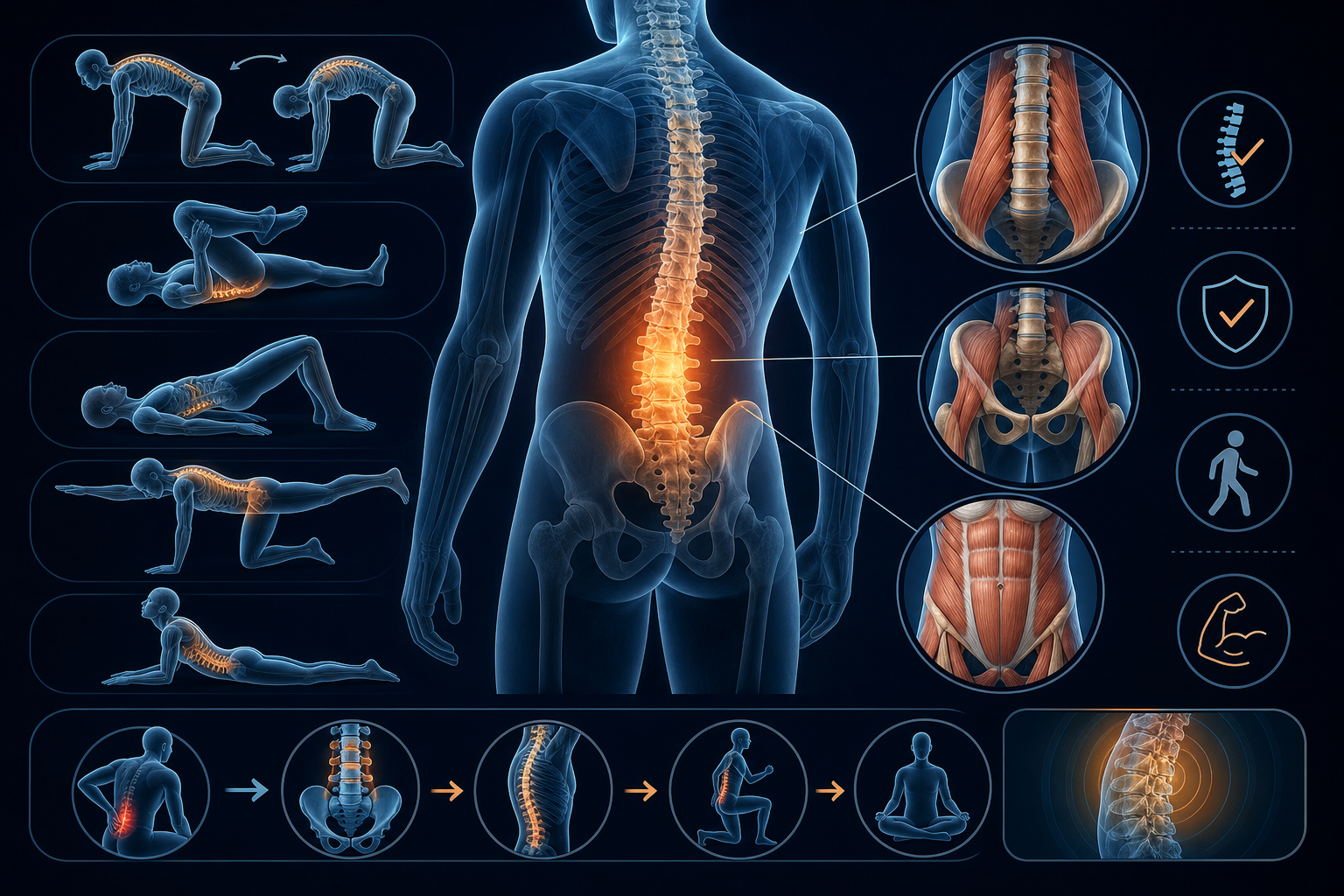
Back pain exercises are movements used to improve spine mobility, reduce muscle guarding, strengthen the hips and trunk, and help the body return to normal activity. They may include gentle stretches for lower back pain, core stabilization drills, hip mobility work, walking, and posture or movement retraining.
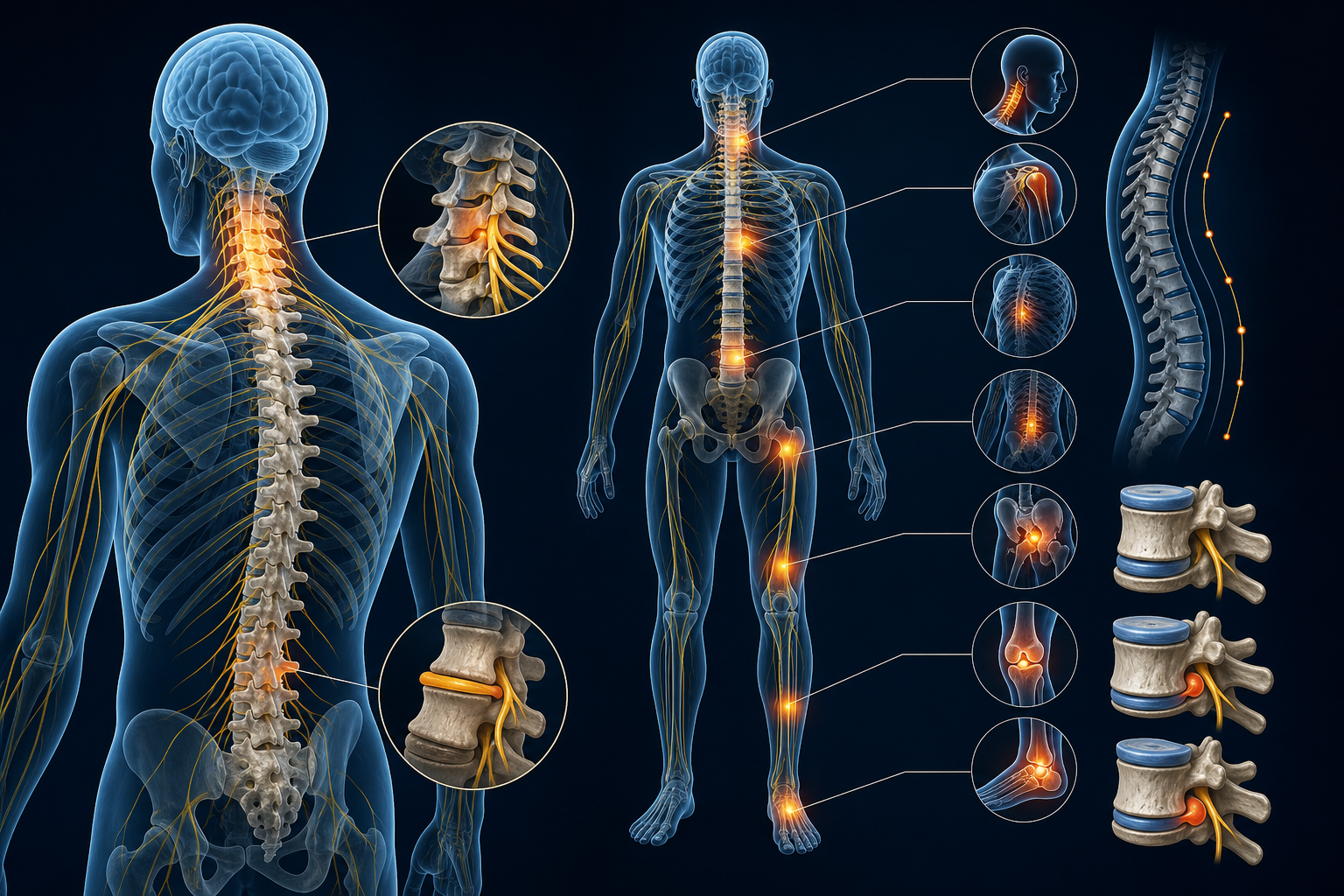
Exercises are not a one-size-fits-all fix. Back pain can be associated with muscle strain, joint irritation, disc-related sensitivity, nerve irritation, poor conditioning, prolonged sitting, repetitive lifting, or other factors. A movement that feels relieving for one person may irritate another. That is why a chiropractor, physical therapist, or other qualified provider may assess your motion, strength, neurological signs, and activity demands before recommending a plan.
For a broader overview of symptoms and conservative care options, visit Medximity’s back pain condition guide.
Gentle Stretches for Lower Back Pain
Gentle stretching may help reduce stiffness and improve comfort, especially when back pain is related to muscle tension or limited hip mobility. Move slowly, breathe normally, and avoid forcing a stretch. Mild tension is expected; sharp, radiating, or worsening pain is a reason to stop and contact a provider.
1. Knee-to-Chest Stretch
Lie on your back with both knees bent. Bring one knee toward your chest until you feel a gentle stretch in the low back or hip. Hold for 10 to 20 seconds, then switch sides. Some people also tolerate bringing both knees toward the chest, but this may not be comfortable for everyone.
2. Child’s Pose
Start on your hands and knees, then sit your hips back toward your heels while reaching your arms forward. This can gently lengthen the back and hips. If kneeling bothers your knees, skip this stretch or modify it with pillows.
3. Cat-Cow Mobility
On your hands and knees, slowly round your back upward, then gently let your stomach lower as your chest lifts. Move within a comfortable range. This is often used to improve spinal motion without loading the back heavily.
4. Figure-Four Hip Stretch
Lie on your back with knees bent. Cross one ankle over the opposite thigh, then gently draw the legs toward you. This may stretch the gluteal muscles and hip rotators, which can influence low back mechanics.
Core Exercises for Lower Back Pain
Core exercises for lower back pain are not about doing the hardest abdominal workout. They are usually about improving control around the spine while the arms and legs move. Research and clinical practice often support active rehabilitation for many forms of back pain, but the best exercise depends on the person.
1. Abdominal Bracing
Lie on your back with knees bent. Gently tighten your abdominal muscles as if preparing for a cough, without holding your breath. Hold for 5 to 10 seconds. This teaches basic trunk control and may be used before progressing to more challenging movements.
2. Heel Slides
From the same position, lightly brace your abdomen and slide one heel away from your body, then return. Alternate sides. The goal is to keep the pelvis steady rather than to move quickly.
3. Bird Dog
Begin on hands and knees. Extend one leg behind you while keeping your back steady. If tolerated, add the opposite arm. Hold briefly, then switch. This exercise can build coordination through the trunk, hips, and shoulders.
4. Glute Bridge
Lie on your back with knees bent and feet flat. Tighten your glutes and lift your hips a short distance, keeping the movement controlled. Stop if it causes cramping, sharp pain, or symptoms down the leg.
If you want a supervised strengthening plan, Medximity can help you compare options for physical therapy for back pain.
Back Pain When Bending Forward: Exercises to Approach Carefully
Back pain when bending forward can occur for several reasons, including muscle strain, sensitivity in spinal joints, disc irritation, or limited hip mobility. Exercises that repeatedly flex the spine, such as toe touches or aggressive sit-ups, may aggravate symptoms for some people. Others may feel better with gentle flexion. The pattern matters.
If bending forward is your main trigger, consider starting with neutral-spine exercises such as abdominal bracing, bird dog, short walks, and hip hinges practiced without weight. A hip hinge teaches you to bend more through the hips while keeping the back controlled. For more detail, read Medximity’s article on lower back pain when bending forward.
Can’t Stand Up Straight With Back Pain?
If you can’t stand up straight because of back pain, your muscles may be guarding, your joints may be irritated, or your nervous system may be reacting to pain. In many cases, gentle walking, supported positions, and slow mobility can be better tolerated than forcing a full upright posture immediately. However, this symptom can also be significant, especially if it follows a fall, lifting injury, or is paired with leg symptoms.
Seek prompt evaluation if you have progressive weakness, numbness in the groin or saddle area, trouble controlling bowel or bladder function, fever, unexplained weight loss, cancer history, or severe pain that does not change with position. These symptoms do not always mean something serious is present, but they warrant timely medical attention.
Yoga vs. Physical Therapy for Back Pain
Yoga and physical therapy may both include stretching, breathing, body awareness, and strengthening. The difference is that physical therapy is a healthcare service guided by an examination, clinical goals, and a treatment plan. Yoga classes are usually more general and may not be tailored to your injury history, neurological signs, work demands, or pain triggers.
Some people use gentle yoga for general mobility once their symptoms are stable. Others benefit from the best physical therapy for back pain because the plan can be modified based on pain behavior, strength deficits, balance, and function. If you are comparing options, see Medximity’s guide to yoga vs. physical therapy for back pain.
Is Soreness After Back Exercises Normal?
Mild muscle soreness after back exercises can be normal, especially if you are using muscles in a new way. It should usually feel like general muscle fatigue or tenderness and improve within a day or two. Pain that is sharp, increasing, radiating down the leg, associated with numbness or weakness, or lasting longer than expected should be discussed with a provider.
A helpful rule is that exercises should feel tolerable during the movement and should not cause a major symptom flare later that day or the next morning. If they do, the exercise may be too intense, not the right fit, or performed with poor mechanics.
How Long Do Back Exercises Take?
Many beginner back pain exercise routines take 10 to 20 minutes. Some people do best with short sessions once or twice daily; others respond better to a structured program several days per week. Progress is often gradual. The goal is not to rush through a checklist but to find movements that help you build tolerance over time.
A provider may adjust the plan as your symptoms change. Early care may emphasize pain-free motion and education. Later stages may include progressive strengthening, lifting mechanics, balance, endurance, and return-to-work or return-to-sport activities.
Back Pain Exercises Without Surgery
Many people look for back pain exercises without surgery because they want a conservative starting point. Conservative care may include therapeutic exercise, chiropractic care, physical therapy, activity modification, ergonomics, manual therapy, and home exercise education. These options may help some patients reduce pain, improve function, and avoid unnecessary rest, but they are not a substitute for an exam when symptoms are significant.
If you are interested in hands-on conservative care, Medximity offers information on chiropractic care for back pain and provider search tools to help you find care in your area.
When to See a Provider for Back Pain Exercises
Consider seeing a chiropractor, physical therapist, or qualified medical provider if your back pain lasts more than a few days, keeps returning, affects work or sleep, limits walking or standing, or makes you unsure which exercises are safe. You should also seek care sooner after a car accident, fall, sports injury, or lifting incident.
Search terms like “back pain exercises near me” or “chiropractor for back pain exercises near me” can help you find local options, but look for providers who perform a clear evaluation and explain your home program. You can start with Medximity’s back pain provider search or compare physical therapists for back pain.
What to Expect From a Chiropractic or Physical Therapy Visit
At your first visit, the provider will typically ask about when the pain started, what movements aggravate or relieve it, your health history, work demands, exercise habits, and any symptoms traveling into the hip or leg. They may check posture, spinal and hip motion, strength, reflexes, sensation, balance, and functional movements such as bending or squatting.
Your plan may include supervised exercises, manual therapy, mobility work, education on lifting or sitting positions, and a home program. The provider should explain what symptoms are expected, what signs mean you should stop, and how your exercises may progress. For patients with complex symptoms, they may coordinate with another medical professional when appropriate.
A Simple Starting Routine to Discuss With Your Provider
If your symptoms are mild and you do not have red flags, you may ask your provider whether a simple routine like this is appropriate:
- Five to ten minutes of easy walking or gentle stationary cycling
- Cat-cow mobility for 6 to 10 slow repetitions
- Knee-to-chest stretch for 10 to 20 seconds per side
- Abdominal bracing for 5 to 10 short holds
- Bird dog or heel slides for 6 to 10 controlled repetitions per side
- Glute bridges for 6 to 10 repetitions if tolerated
Stop any exercise that increases leg symptoms, causes sharp pain, or makes you feel worse after the session. If you are unsure, a personalized evaluation is safer than guessing.
FAQ: Back Pain Exercises
What exercises help lower back pain?
Exercises that may help lower back pain often include gentle walking, cat-cow mobility, knee-to-chest stretching, hip mobility, abdominal bracing, bird dog, and glute bridges. The right choice depends on your symptoms and exam findings.
Should I stretch or strengthen first?
Many people begin with gentle mobility and stretching, then add strengthening as symptoms allow. A provider may recommend a different order based on whether your pain is more sensitive to bending, extending, sitting, standing, or lifting.
Can back pain exercises make pain worse?
Yes, some exercises can irritate symptoms if they are too intense, performed too soon, or not matched to your condition. Stop movements that cause sharp pain, radiating pain, numbness, weakness, or a significant flare.
How do I find back pain exercises near me?
You can search for local chiropractors and physical therapists who evaluate back pain and provide guided exercise plans. Medximity’s provider directory lets you compare care options and find conservative providers near you.
Are core exercises always good for lower back pain?
Core exercises may help many people, but they need to be selected carefully. Early core work often focuses on control and stability rather than intense crunches or high-load exercises.
Finding the Right Next Step
Back pain exercises may be a useful part of conservative care, especially when they are gentle, progressive, and matched to your symptoms. If your pain is limiting daily life or you are unsure which movements are safe, a chiropractor or physical therapist can evaluate your condition and build a plan that fits your goals.
Use Medximity to explore chiropractors for back pain exercises or physical therapy providers for back pain near you.