If you are searching for a back pain chiropractor in Fountain Inn, you are probably looking for more than a quick appointment. You may be trying to understand why your back hurts, whether chiropractic care is a reasonable option, and how to choose a provider who listens carefully before recommending treatment.
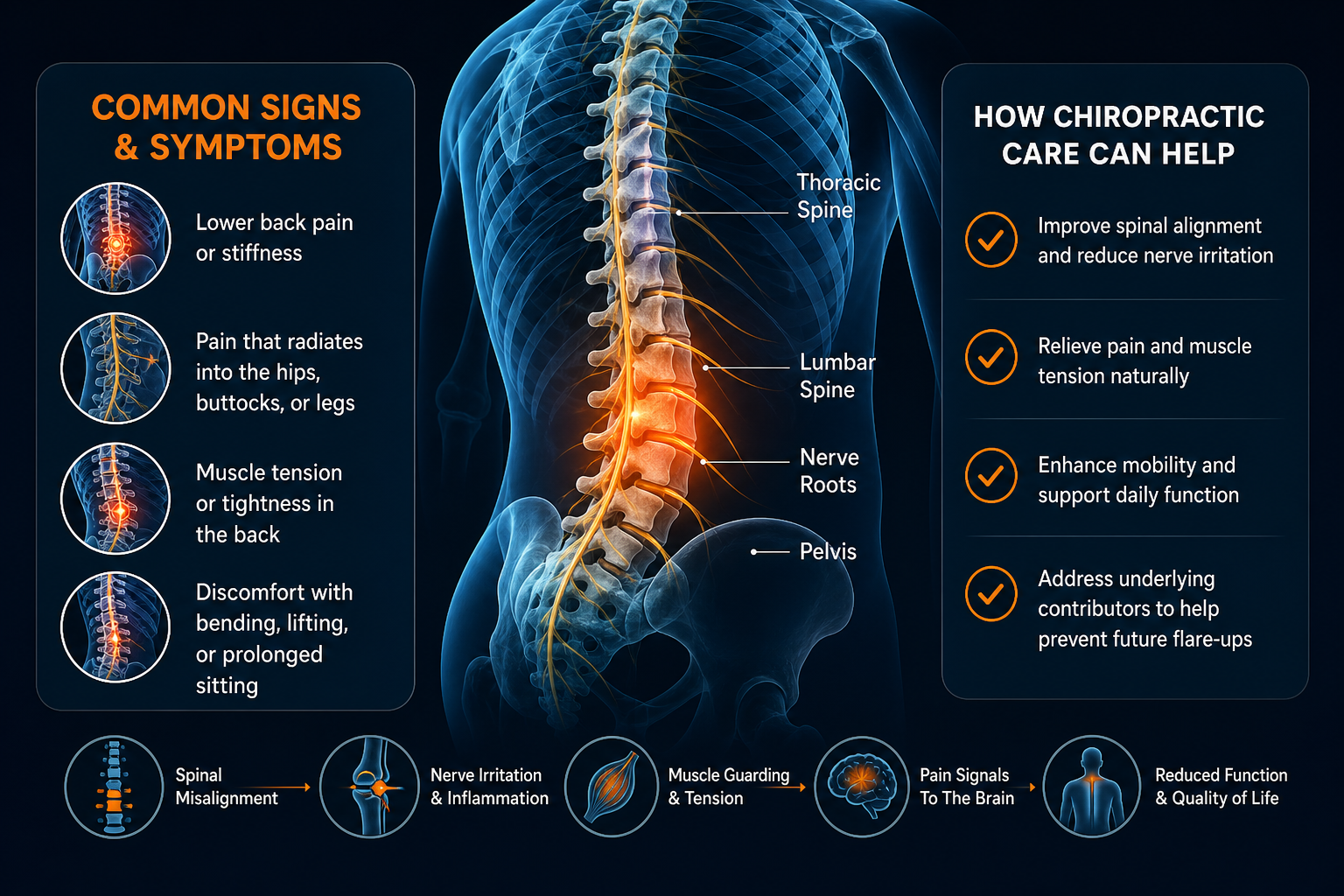
Back pain is common, but that does not make it simple. Some people feel a dull ache after sitting too long. Others have sharp pain when bending, stiffness after sleep, or symptoms that travel into the hip or leg. A chiropractor who evaluates back pain should look at how your spine, joints, muscles, nerves, posture, and daily movement patterns may be contributing to your symptoms. In many cases, chiropractic care may help reduce mechanical back pain, improve mobility, and support a return to normal activity without surgery.
This guide is written for patients in and around Fountain Inn who want clear, practical information. You will learn what chiropractic treatment for back pain involves, when to see a provider, what happens at a first chiropractic visit, how long chiropractic care may take, and when back pain is an emergency. You can also use Medximity to search for chiropractors near Fountain Inn and compare conservative care options in your area.
What a Back Pain Chiropractor in Fountain Inn Does
A chiropractor is a licensed healthcare provider who focuses on the musculoskeletal system, especially the spine, joints, muscles, and related nerve function. For back pain, a chiropractor typically evaluates how the back moves, where symptoms are located, what positions make symptoms better or worse, and whether any red flags suggest the need for urgent medical evaluation or referral.
Chiropractic care is conservative care. That means it does not involve surgery, prescription medication, or invasive procedures. Treatment may include spinal manipulation or adjustment, mobilization, soft tissue techniques, stretching, strengthening exercises, posture coaching, ergonomic guidance, and home movement recommendations. The exact plan should depend on your exam findings, health history, goals, and comfort level.
For patients looking for back pain treatment without surgery in Fountain Inn, chiropractic care may be one part of a broader conservative plan. Some people see a chiropractor alone. Others benefit from coordinated care with a primary care clinician, physical therapist, orthopedic specialist, massage therapist, or pain management provider. The right path depends on the cause of the symptoms and how the person responds to care.
Common Types of Back Pain Chiropractors May Evaluate
Back pain can come from many structures. The spine includes bones called vertebrae, discs between the vertebrae, small joints called facet joints, ligaments, muscles, tendons, and nerves. Pain may come from one structure or from several working together poorly. A careful evaluation helps a provider decide which factors may be most relevant.
Lower back pain
Lower back pain is one of the most common reasons people search for chiropractic care. It may be felt across the low back, on one side, near the beltline, or into the buttock or hip region. Some lower back pain is related to muscle strain, joint irritation, poor lifting mechanics, prolonged sitting, disc-related irritation, or deconditioning. In many cases, symptoms are mechanical, meaning they change with movement, position, or activity.
If you want to learn more about common back pain patterns, Medximity has a helpful overview of back pain conditions and conservative care options.
Mid-back pain
Mid-back pain may occur between the shoulder blades or along the ribs. It can be associated with posture, lifting, desk work, repetitive reaching, or stiffness in the thoracic spine. Because the chest and upper back region can overlap with symptoms from non-spinal conditions, a chiropractor should ask careful screening questions and refer when symptoms do not appear musculoskeletal.
Sciatica-like symptoms
Some people with low back pain also feel pain, tingling, numbness, or weakness into the buttock, thigh, calf, or foot. These symptoms are sometimes described as sciatica, although not all leg symptoms come from the sciatic nerve. Nerve irritation may be related to a disc problem, spinal narrowing, muscle tension, or other factors. Chiropractic care may help some patients with radiating symptoms, but a careful neurological exam is important. Progressive weakness, loss of bladder or bowel control, or numbness in the groin or saddle region needs urgent medical attention.
Back stiffness and limited motion
Some patients are not dealing with sharp pain but feel stiff, restricted, or unable to move normally. They may have trouble tying shoes, getting out of a car, turning in bed, or standing upright after sitting. A chiropractor may assess spinal and hip mobility, muscle flexibility, core control, and movement habits that may contribute to stiffness.
What Causes Lower Back Pain When Bending?
One of the most common patient questions is, what causes lower back pain when bending? Bending forward places demand on the lower back, hips, discs, ligaments, and surrounding muscles. Pain with bending does not automatically mean something serious is wrong, but it does tell your provider that certain tissues or movement patterns may be irritated.
Muscle strain or guarding
Muscles in the lower back can become strained after lifting, twisting, sudden movement, yard work, exercise, or long periods of poor posture. Sometimes the muscle itself is irritated. Other times, muscles tighten to protect a sensitive joint or disc. This protective guarding can make bending feel stiff, sharp, or restricted.
Disc-related irritation
Spinal discs act as cushions between vertebrae. Forward bending may increase pressure on some disc tissues, especially when combined with lifting or twisting. Disc irritation may cause localized back pain or symptoms that travel into the leg. Not every disc change causes symptoms, and imaging findings do not always match pain levels. A clinical exam helps determine whether disc involvement may be likely.
Facet joint or sacroiliac irritation
The facet joints are small joints in the back of the spine. The sacroiliac joints connect the pelvis and lower spine. Irritation in these areas may cause pain with bending, standing back up, rolling in bed, or shifting weight. Chiropractors often evaluate these joints as part of a low back pain exam.
Hip mobility limitations
When the hips do not move well, the lower back may compensate. A person may feel like the back is the problem, but limited hip flexion, tight hamstrings, or poor glute strength may be contributing to the bending pattern. This is one reason a good back pain evaluation should not stop at the spine.
Movement habits and load tolerance
Back pain while bending can also reflect how the body handles load. If someone bends repeatedly at work, lifts with fatigue, sits for long periods, or has not trained the muscles that support the spine, the back may become sensitive. Chiropractic treatment may include movement coaching and strengthening exercises to help improve tolerance over time.
Pain When Sitting With Lower Back Pain
Another common complaint is pain when sitting with lower back pain. Sitting is not harmful by itself, but prolonged sitting can increase stiffness, reduce circulation to working muscles, and place the spine in a position that aggravates certain conditions. Many people notice symptoms during commutes, desk work, studying, or long meals.
Why sitting may aggravate symptoms
Sitting often reduces hip movement and may encourage a rounded lower back posture. For some people, that position increases sensitivity in discs, ligaments, or muscles. Others feel worse because the hip flexors tighten, the glute muscles remain inactive, or the pelvis tilts in a way that stresses the low back. The best sitting posture varies from person to person, but changing position regularly is often more helpful than trying to hold one perfect posture all day.
Practical changes that may help
Some patients report relief from standing briefly every 20 to 30 minutes, using lumbar support, adjusting chair height, keeping feet supported, or alternating between sitting and standing tasks. Gentle walking breaks may also help. These strategies are not a substitute for evaluation, but they may reduce irritation while you are waiting for an appointment.
When sitting pain should be checked
If sitting pain is persistent, worsening, or associated with numbness, tingling, weakness, fever, unexplained weight loss, or symptoms after trauma, it is wise to see a qualified provider. A chiropractor can help determine whether the symptoms appear mechanical or whether another type of medical evaluation may be appropriate.
When to See a Back Pain Chiropractor in Fountain Inn
You do not have to wait until pain is severe to see a provider. Many patients seek chiropractic evaluation when back pain interferes with daily activity, does not improve with basic self-care, keeps returning, or makes movement feel uncertain. Early evaluation may help identify modifiable factors before symptoms become more limiting.
Consider scheduling an appointment if:
- Back pain lasts more than a few days and is not improving.
- Pain returns repeatedly after lifting, sitting, exercise, or work activity.
- You feel stiff, guarded, or unable to move normally.
- Pain makes it hard to sleep, drive, work, or exercise.
- You have pain in the low back, hip, buttock, or leg that changes with movement.
- You want conservative options before considering more invasive treatment.
- You need guidance on posture, ergonomics, lifting mechanics, or home exercises.
If you are comparing local care options, Medximity can help you find chiropractic treatment for back pain near Fountain Inn. Directory listings can help you review location, services, and provider information before calling.
When Is Back Pain an Emergency?
Most back pain is not an emergency, but some symptoms require prompt medical evaluation. If you are wondering when is back pain an emergency, focus on the overall picture, not just the pain level. Severe pain can come from a muscle spasm, but certain combinations of symptoms may suggest a more serious issue.
Seek urgent medical care if back pain occurs with:
- New loss of bladder or bowel control.
- Numbness in the groin, inner thighs, or saddle area.
- Progressive leg weakness or difficulty walking.
- Fever, chills, or signs of infection.
- Back pain after a significant fall, car crash, or traumatic injury.
- Unexplained weight loss or a history of cancer with new back pain.
- Severe abdominal pain, chest pain, or shortness of breath.
- Pain that is constant, worsening, and not changed by position or rest.
This list is not a diagnosis. It is a safety guide. If symptoms feel urgent or unusual, seek emergency care or contact a qualified medical provider. A chiropractor should also screen for red flags and refer when symptoms fall outside the scope of conservative musculoskeletal care.
Is Chiropractic Care Safe for Back Pain?
Many patients ask, is chiropractic care safe for back pain? For many people with mechanical back pain, chiropractic care is generally considered a conservative, non-surgical option when performed by a licensed provider after an appropriate evaluation. As with any healthcare approach, safety depends on the patient, the condition, the technique used, and the provider's clinical judgment.
A careful chiropractor should ask about your medical history, medications, prior surgeries, osteoporosis or fracture risk, neurological symptoms, inflammatory conditions, cancer history, pregnancy, and recent trauma. This screening helps determine whether spinal manipulation, gentler mobilization, exercise-based care, referral, or co-management is more appropriate.
Chiropractic care should be individualized
There is no single adjustment or treatment plan that fits every back pain patient. Some people may respond well to manual therapy and exercise. Others may need a gentler approach, more emphasis on rehabilitation, or referral for medical imaging or specialty evaluation. The best chiropractor for lower back pain in Fountain Inn is not simply the one who offers the most treatments. It is the provider who evaluates carefully, explains options clearly, and adapts care to your needs.
Normal soreness versus concerning symptoms
Some patients feel mild soreness after an adjustment, soft tissue work, or new exercises, similar to post-exercise soreness. That usually settles with time. However, new or worsening neurological symptoms, severe pain, weakness, loss of bladder or bowel control, or symptoms that feel unusual should be reported promptly and may require urgent evaluation.
What Happens at a First Chiropractic Visit?
If you have never been to a chiropractor, it is natural to wonder what happens at a first chiropractic visit. A first visit should be more than a quick adjustment. It should include a conversation, exam, explanation, and shared plan.
Health history and symptom review
Your chiropractor will usually ask when the pain started, where it is located, how it feels, what makes it better or worse, and whether symptoms travel into the leg. You may be asked about work tasks, exercise, sleep, prior injuries, medical conditions, medications, and previous treatment. Honest answers help the provider understand what may be contributing to your symptoms.
Physical examination
The exam may include posture assessment, range of motion testing, orthopedic tests, neurological screening, muscle strength checks, reflexes, sensation testing, gait observation, and palpation of spinal and soft tissue areas. The provider may also assess hip motion, core control, and movement patterns such as bending or squatting.
Discussion of findings
After the exam, the chiropractor should explain what they found in plain language. You should understand the likely source of your symptoms, what factors may be contributing, whether chiropractic care appears appropriate, and what results are realistic. A good explanation should include uncertainty when it exists. Back pain often has more than one contributing factor.
Imaging when appropriate
X-rays, MRI, or other imaging are not needed for every case of back pain. Imaging may be considered when there are red flags, significant trauma, progressive neurological symptoms, suspected fracture, or symptoms that do not improve as expected. A chiropractor should not imply that every patient needs imaging before care, but should refer or order imaging when clinically appropriate and within their state scope of practice.
First treatment or care plan
Depending on your condition and comfort level, treatment may begin on the first visit. It may include spinal adjustment, mobilization, soft tissue therapy, assisted stretching, gentle exercise, or home care instructions. Some providers may wait for further information before starting treatment. You should have the opportunity to ask questions and consent before any hands-on technique is performed.
For a deeper overview, read Medximity's guide to what to expect at a first chiropractic visit.
Chiropractic Treatment Options for Back Pain
Chiropractic treatment for back pain near me can mean different things depending on the clinic. When comparing providers, look beyond the word adjustment. Many back pain cases benefit from a combination of manual care, movement training, and practical self-management strategies.
Spinal manipulation or adjustment
Spinal manipulation is a hands-on technique that applies a controlled force to a joint. It may be used to improve joint motion, reduce stiffness, and influence pain sensitivity in some patients. Some adjustments create an audible pop, which is caused by gas release in the joint, not bones cracking. Patients who prefer not to receive high-velocity adjustments can ask about lower-force alternatives.
Joint mobilization
Mobilization uses slower, gentler movements to improve joint motion. It may be useful for patients who are sensitive, recovering from an acute flare-up, older adults, or anyone who prefers a less forceful technique. Mobilization can be applied to the spine, hips, pelvis, or other joints that influence back movement.
Soft tissue therapy
Muscles and fascia can contribute to back pain, especially after guarding, repetitive strain, or prolonged posture. Chiropractors may use soft tissue techniques, trigger point work, instrument-assisted methods, or stretching to address muscle tension. These techniques may help some patients move more comfortably, especially when combined with active exercise.
Therapeutic exercise
Exercise is often an important part of back pain recovery. Depending on your exam, your chiropractor may recommend mobility drills, core stabilization, glute strengthening, hip stretches, breathing exercises, or gradual return-to-activity progressions. The goal is not only to feel better during an appointment but to improve how your back handles daily demands.
Posture and ergonomic coaching
For patients whose symptoms are aggravated by desk work, driving, lifting, or repeated bending, ergonomic guidance can be valuable. This may include chair setup, monitor height, lifting mechanics, work breaks, sleep positioning, or strategies for household tasks. Small changes may reduce repeated irritation while your body calms down.
Home care recommendations
A chiropractor may suggest heat, ice, gentle walking, activity modification, stretches, or simple exercises. These should be tailored to your symptoms. For example, a movement that helps one type of lower back pain may aggravate another. If a home exercise increases pain significantly or causes leg symptoms to worsen, stop and contact your provider.
You can learn more about conservative spine care on Medximity's chiropractic care treatment page.
How Long Does Chiropractic Care Take?
Patients often ask, how long does chiropractic care take? The honest answer is that it varies. Some people with recent, mild mechanical back pain notice improvement within a few visits. Others with long-standing pain, nerve symptoms, work demands, previous injuries, or multiple contributing factors may need a longer plan. No provider should guarantee a specific outcome or timeline.
Factors that may affect your timeline
- How long symptoms have been present.
- Whether pain is local or travels into the leg.
- Your overall health, sleep, stress, and activity level.
- Your work demands, such as lifting, driving, or prolonged sitting.
- Previous injuries or surgeries.
- How consistently you can follow home recommendations.
- Whether the treatment plan includes active rehabilitation, not only passive care.
Early phase: calming symptoms
The first phase of care often focuses on reducing pain sensitivity, improving comfortable movement, and helping you return to basic daily activities. Visits may be more frequent during an acute flare-up, but the schedule should be based on clinical need and reassessment.
Rehabilitation phase: building capacity
Once pain is more manageable, care may shift toward strengthening, mobility, coordination, and gradual return to work, exercise, or recreation. This phase helps address why the back became sensitive in the first place and may reduce the chance of repeated flare-ups for some patients.
Maintenance or wellness care
Some patients choose periodic chiropractic visits after symptoms improve. Others stop care once they have met their goals. Maintenance care is a personal decision and should be discussed openly. You should not feel pressured into a long plan without clear reasoning, measurable goals, and periodic reassessment.
Back Pain Treatment Without Surgery in Fountain Inn
Many back pain patients want to know whether they can improve without surgery. In many cases, back pain can be managed with conservative care, especially when symptoms are mechanical and there are no urgent red flags. Conservative treatment may include chiropractic care, physical therapy, exercise, activity modification, weight management support, sleep improvements, and ergonomic changes.
Surgery is outside the scope of chiropractic care, and not every patient needs to consider it. If symptoms are severe, progressive, or associated with significant neurological changes, a medical specialist may need to evaluate the situation. For many others, a trial of conservative care may be a reasonable first step under the guidance of a qualified provider.
Why conservative care often starts with movement
Back pain can make people afraid to move, but complete rest for long periods may contribute to stiffness and deconditioning. Many providers encourage gentle, tolerable movement as symptoms allow. Walking, mobility work, and graded strengthening may help the back regain confidence. Your provider can help you understand which movements are appropriate for your situation.
Care plans should include measurable goals
A back pain plan should not be vague. Useful goals may include sitting for 45 minutes with less discomfort, lifting a child safely, returning to work tasks, sleeping through the night, walking a certain distance, or bending without sharp pain. Measurable goals help you and your provider decide whether care is helping.
Chiropractor vs Physical Therapy for Back Pain
Another common search is chiropractor vs physical therapy for back pain. Both chiropractors and physical therapists provide conservative musculoskeletal care, but their training, treatment emphasis, and clinic style may differ. The best choice depends on your symptoms, goals, preferences, and the providers available near you.
How chiropractic care may help
Chiropractors commonly use spinal manipulation, joint mobilization, soft tissue work, exercise, and lifestyle guidance. Patients who feel stiff, restricted, or mechanically sensitive may seek chiropractic care for hands-on treatment combined with movement recommendations. A chiropractor may be especially appealing to patients who want a spine-focused evaluation.
How physical therapy may help
Physical therapists often emphasize rehabilitation, progressive exercise, movement retraining, balance, strength, and functional goals. PT may be especially useful when back pain is related to weakness, recovery after injury, sports demands, work conditioning, or post-surgical rehabilitation when directed by a medical provider.
Can you use both?
Some patients benefit from both chiropractic care and physical therapy, especially when providers communicate and avoid duplicating services. For example, chiropractic care may help with joint mobility and symptom modulation while physical therapy focuses on progressive strengthening and functional training. Coordination matters. Too many treatments at once can make it difficult to know what is helping.
If you are comparing options, Medximity offers information on physical therapy treatment and how it may fit into a conservative back pain plan. You can also read Medximity's article on chiropractic care versus physical therapy for back pain.
How to Find the Best Chiropractor for Lower Back Pain in Fountain Inn
The best chiropractor for lower back pain in Fountain Inn is the provider who fits your clinical needs, communicates clearly, and practices within an evidence-aware conservative care model. A beautiful office or long list of services is not enough. Look for a provider who takes time to understand your symptoms and explains why each part of the plan is recommended.
Look for a back pain-focused evaluation
A strong evaluation should include more than palpating the spine. The chiropractor should ask about your pain pattern, screen for red flags, assess movement, check neurological signs when appropriate, and consider hips, posture, work demands, and daily habits. Lower back pain often involves the whole movement system, not only one spinal segment.
Ask about treatment options
Some patients want spinal adjustments. Others prefer gentle mobilization, soft tissue work, or exercise-based care. A good provider should discuss options and modify techniques based on your comfort and health history. You should never feel surprised by a technique performed without explanation.
Expect reassessment
Back pain care should be reassessed. If symptoms are improving, the plan may progress. If symptoms are not changing, the provider should reconsider the diagnosis, adjust the treatment approach, or discuss referral. Reassessment is a sign of good clinical reasoning.
Consider location and access
Convenience matters because back pain care may involve multiple visits. A chiropractor near your home, work, school, or commute may make it easier to follow through. Fountain Inn patients may also compare providers in nearby communities depending on availability and services.
Start with Medximity's chiropractor directory to explore providers and narrow your search by location and care needs.
Questions to Ask a Back Pain Chiropractor
Preparing a few questions can help you choose a provider with confidence. These questions to ask a back pain chiropractor are useful whether you are scheduling your first visit or comparing local clinics.
Questions about diagnosis and safety
- What do you think is contributing to my back pain?
- Are there any red flags in my history or exam?
- Do my symptoms suggest nerve involvement?
- Do I need imaging or referral, or is conservative care appropriate to try first?
- Are there any techniques you would avoid based on my health history?
Questions about treatment
- What treatment options do you recommend, and why?
- Will care include exercise or home recommendations?
- Can you use gentle techniques if I am nervous about adjustments?
- How will we measure progress?
- What should I do if symptoms flare after treatment?
Questions about timeline and expectations
- How often do you recommend visits at first?
- When should I expect reassessment?
- What signs would suggest that chiropractic care is not the right fit?
- What activities should I modify, and which ones should I continue?
- How can I reduce the chance of future flare-ups?
A provider who welcomes thoughtful questions is often easier to work with. Clear communication helps you understand your care plan and participate actively in recovery.
What to Expect During a Chiropractic Adjustment
Not every back pain appointment includes an adjustment, but many do. During an adjustment, the chiropractor positions your body and applies a controlled movement to a joint. The goal may be to improve joint motion, reduce stiffness, or help the nervous system modulate pain. Some adjustments are quick. Others are slow and gentle.
Does an adjustment hurt?
An adjustment should not feel like uncontrolled force. Some pressure or brief discomfort can occur, especially in a sensitive area, but treatment should be tolerable. Tell your chiropractor if you feel anxious, guarded, or uncomfortable. They can often change position, reduce force, use a different technique, or stop.
What is the popping sound?
The popping sound that sometimes occurs during an adjustment is called cavitation. It happens when gas is released from joint fluid during a pressure change. The sound is not a measure of success. An adjustment can be helpful without a pop, and a pop does not guarantee that pain will improve.
What happens after treatment?
Your chiropractor may retest movement, ask how you feel, and give home instructions. You may be advised to walk, hydrate, avoid heavy lifting briefly, or perform specific exercises. Follow the instructions given for your situation, and contact the office if symptoms worsen or you are unsure how to proceed.
Daily Habits That May Support Back Pain Recovery
Professional care can help, but what you do between visits also matters. Back pain often responds best when hands-on treatment is combined with daily habits that reduce irritation and build capacity.
Keep moving within tolerance
Gentle movement may help many people with back pain. Short walks, easy mobility drills, and frequent position changes can reduce stiffness. Avoid forcing painful stretches or pushing through sharp pain. Your provider can help you choose movements that match your symptoms.
Use better bending and lifting mechanics
If bending triggers symptoms, pay attention to how you hinge at the hips, brace your trunk, and position the load. Keeping objects close, avoiding twisting under load, and using your legs and hips may reduce strain. For workers who lift often, a provider may recommend task-specific training.
Break up sitting time
If sitting increases pain, try brief standing or walking breaks. Adjust your seat so your feet are supported and your hips are not much lower than your knees. A small lumbar roll may help some people, but comfort should guide the setup.
Strengthen gradually
Core and hip strength can support the lower back, but the right exercise depends on your symptoms. Some people start with gentle abdominal bracing, bridges, bird dogs, or hip mobility. Others need a different starting point. Exercises should be progressed gradually and adjusted if they increase symptoms.
Prioritize sleep and recovery
Pain can disrupt sleep, and poor sleep can make pain feel worse. Supportive positioning, a pillow between the knees for side sleeping, or a pillow under the knees for back sleeping may help some patients. If pain prevents sleep repeatedly, tell your provider.
How Medximity Helps Patients Find Local Back Pain Care
Choosing a back pain chiropractor in Fountain Inn can feel overwhelming when every clinic sounds similar online. Medximity is designed to help patients compare providers and learn about conservative care in one place. You can search by location, specialty, and condition so your next step is more informed.
When reviewing a provider profile, look for details about back pain treatment, techniques offered, appointment availability, patient focus, and whether the clinic provides exercise or rehabilitation support. If information is not listed, call the office and ask. A short conversation can tell you a lot about how the clinic communicates.
You can begin with Fountain Inn chiropractor listings or explore related information about lower back pain before scheduling.
Frequently Asked Questions About Back Pain Chiropractic Care in Fountain Inn
Can a chiropractor help lower back pain?
Chiropractic care may help some people with mechanical lower back pain, especially when symptoms are related to joint stiffness, muscle tension, movement limitations, or posture and activity patterns. Results vary, and a chiropractor should evaluate your specific symptoms before recommending care.
How do I know if I need a chiropractor or a doctor?
If your back pain is mild, mechanical, and not associated with red flags, a chiropractor may be an appropriate conservative care provider to consult. If you have fever, major trauma, progressive weakness, loss of bladder or bowel control, unexplained weight loss, or severe unusual symptoms, seek urgent medical evaluation. When in doubt, contact a qualified healthcare provider.
How long does chiropractic care take for back pain?
The timeline depends on the cause of pain, how long it has been present, symptom severity, general health, work demands, and how well the plan matches your needs. Some patients improve within a few visits, while others need a longer plan with rehabilitation and reassessment.
Is chiropractic care safe for back pain?
For many patients with mechanical back pain, chiropractic care is generally considered a conservative option when provided by a licensed chiropractor after proper screening. It may not be appropriate for every person or every condition, so your health history and exam findings matter.
What should I wear to a chiropractic appointment?
Wear comfortable clothing that allows you to move, bend, and lie down. Athletic clothing is often helpful. Avoid bulky belts, restrictive jeans, or clothing that makes movement testing difficult.
Will I get adjusted on the first visit?
You might, but it depends on your exam, health history, symptoms, and comfort level. Some chiropractors provide treatment on the first visit, while others may wait for additional information. You should receive an explanation and give consent before any hands-on treatment.
What causes lower back pain when bending forward?
Pain with bending may be related to muscle strain, disc irritation, joint stiffness, hip mobility limits, or movement habits. A provider can evaluate your pain pattern and help determine which factors may be involved.
When is back pain an emergency?
Back pain may require emergency evaluation if it occurs with loss of bladder or bowel control, saddle numbness, progressive leg weakness, fever, major trauma, chest or abdominal symptoms, or severe worsening pain that feels unusual. Seek urgent care if you are concerned about these symptoms.
Final Thoughts: Taking the Next Step Toward Back Pain Relief
Back pain can make normal life feel smaller. You may avoid bending, sit carefully, sleep poorly, or worry that one wrong movement will set you back. A thoughtful chiropractic evaluation may help you understand what is happening and whether conservative care is a good fit.
If you are looking for a back pain chiropractor in Fountain Inn, focus on providers who assess carefully, explain clearly, screen for safety, and include active strategies that help you function better outside the office. Chiropractic care is not a guaranteed cure, but for many patients it may be a useful part of a conservative back pain plan.
Use Medximity to compare local chiropractors in Fountain Inn, review back pain resources, and prepare informed questions before your first visit.


