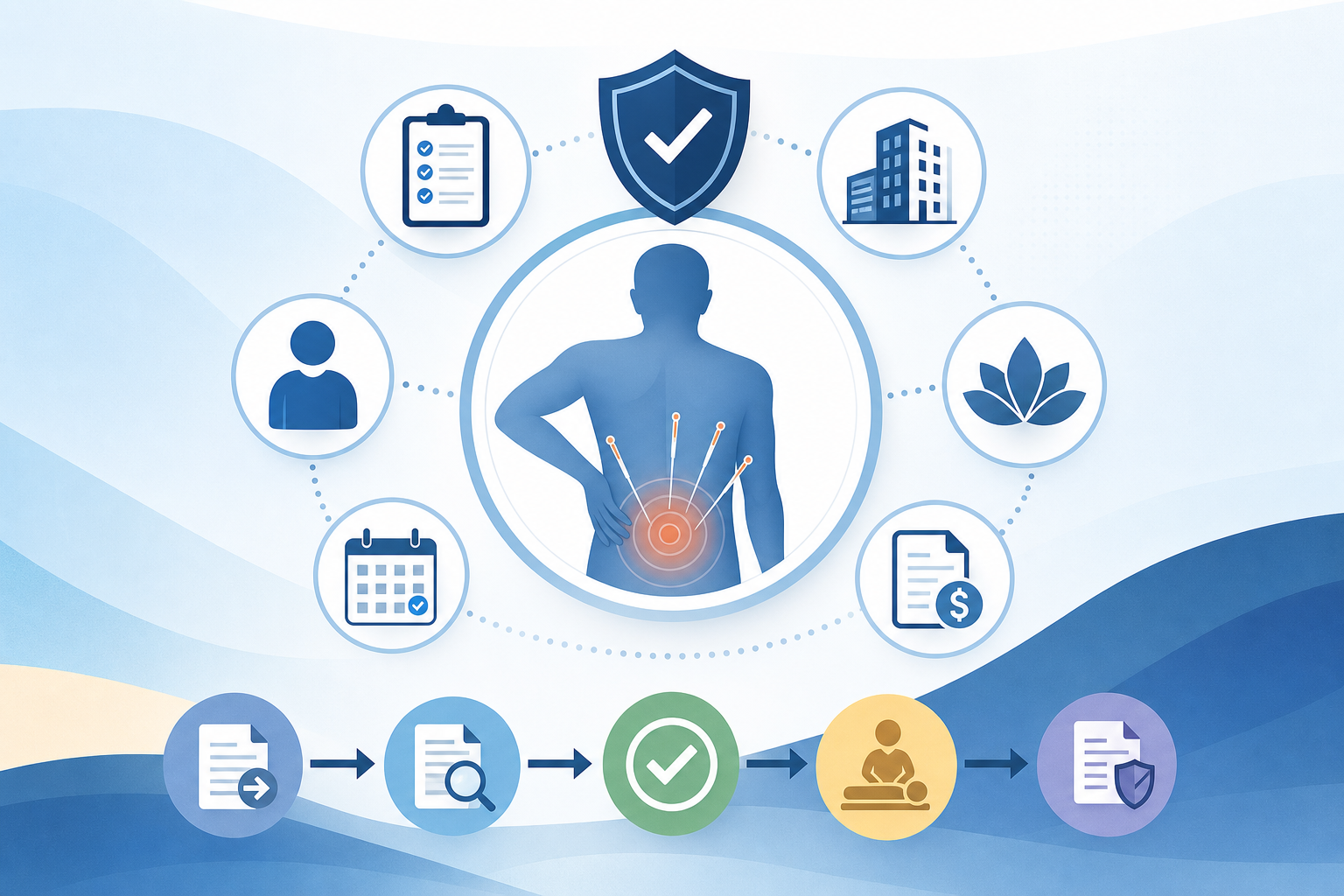
Acupuncture for pain relief is a conservative treatment that uses very thin, sterile needles placed at specific points on the body. Some people consider acupuncture when pain has lasted longer than expected, when they want natural pain relief without surgery, or when they are trying to complement care such as physical therapy, chiropractic care, or a home exercise program.
Acupuncture is not a guaranteed cure, and results vary. Research suggests it may help some patients with certain pain conditions, especially when it is provided by a trained professional and paired with appropriate movement, posture, strength, and recovery strategies. If you are dealing with new, worsening, or unexplained pain, a qualified healthcare provider can help determine whether acupuncture is appropriate for your situation.
What Is Acupuncture for Pain Relief?
Acupuncture is a treatment rooted in traditional Chinese medicine and now used in many integrative healthcare settings. During treatment, a licensed provider inserts fine needles into selected points on the skin. These points may be near the painful area or in a related region based on the provider’s assessment.
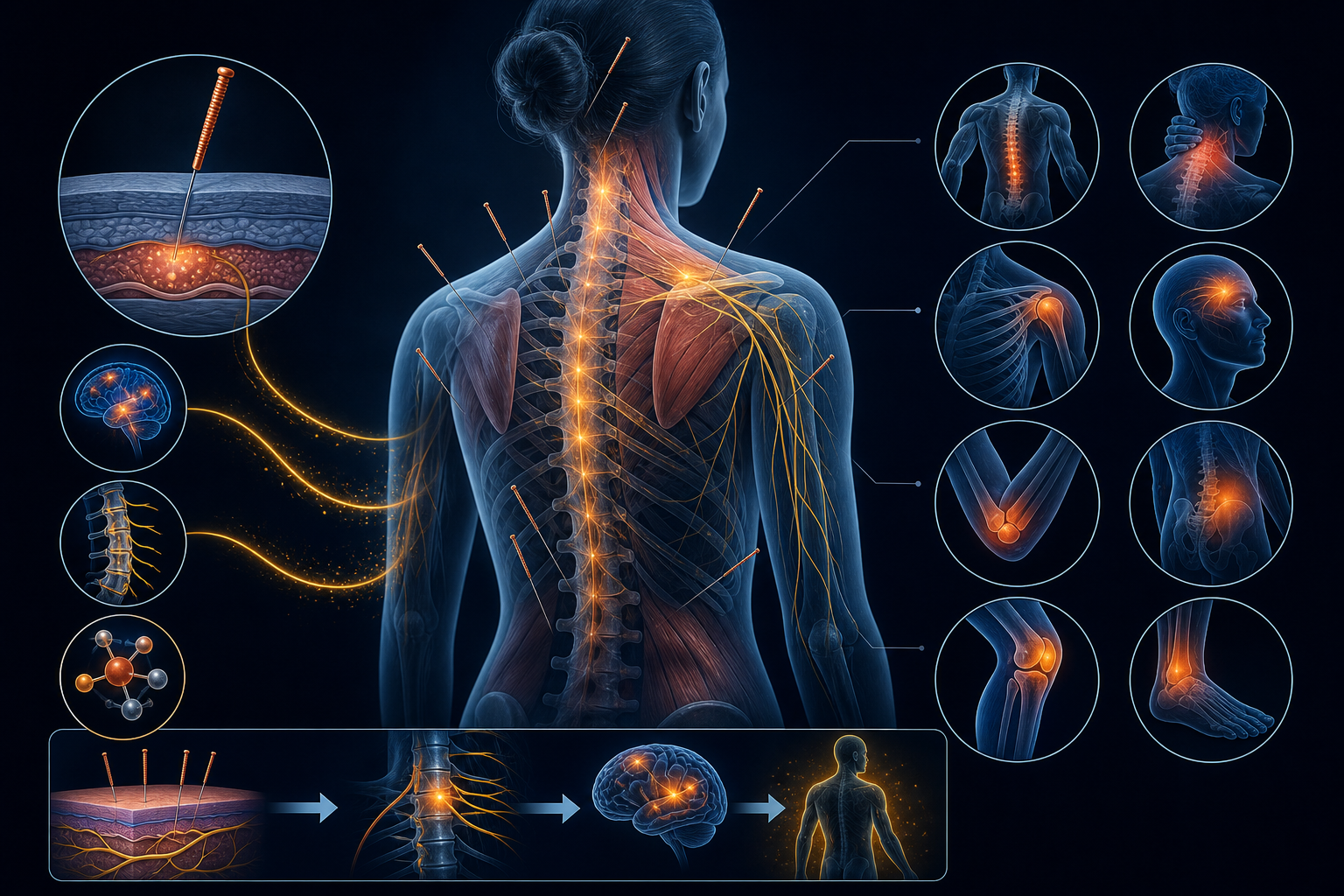
From a modern clinical perspective, acupuncture may influence the nervous system, local blood flow, muscle tone, and pain-processing pathways. Some patients report reduced muscle tension, improved comfort, or easier movement after a series of visits. Others may notice little change. Because pain can come from joints, muscles, nerves, discs, tendons, or other causes, an evaluation matters before starting care.
If you are comparing conservative options, you may also want to learn more about physical therapy treatment, chiropractic care, or local acupuncture providers on Medximity.
How Does Acupuncture Help Chronic Pain?
Many patients ask, “How does acupuncture help chronic pain?” Chronic pain is complex. It may involve tissue irritation, protective muscle guarding, reduced mobility, stress, sleep disruption, and changes in how the nervous system processes pain signals. Acupuncture may help by gently stimulating sensory nerves and soft tissues, which may affect pain modulation in the brain and spinal cord.
Some research reviews have found acupuncture to be associated with improvement in certain chronic pain conditions, including back pain, neck pain, and osteoarthritis-related discomfort. The evidence is not the same for every condition, and acupuncture is usually best understood as one part of a broader plan rather than a stand-alone solution for every patient.
Common Pain Conditions Patients Ask About
Acupuncture for back pain
Low back pain is one of the most common reasons people search for acupuncture for pain relief. Acupuncture may help some patients with back pain by reducing muscle tightness, calming pain sensitivity, or supporting relaxation. If you are searching for “acupuncture for back pain near me,” it is also helpful to consider whether your symptoms need a medical evaluation first, especially if pain follows a fall, is severe, or travels down the leg with weakness or numbness.
For more background, visit Medximity’s guide to back pain or search for physical therapists near you if movement limitations, strength loss, or walking tolerance are part of the problem.
Acupuncture for neck pain and stiff neck
Can acupuncture help a stiff neck? In some cases, it may help reduce muscle guarding and discomfort, especially when stiffness is related to tension, posture, or overuse. However, neck pain can also come from joint irritation, nerve involvement, headaches, trauma, or inflammatory conditions. A provider can help decide whether acupuncture, rehabilitation exercises, chiropractic care, or another conservative approach fits your symptoms.
If you are looking for the best acupuncture provider for neck pain, focus on training, licensure, communication, and whether the provider takes time to understand your medical history and goals. You can also review Medximity’s information on neck pain.
Acupuncture treatment for shoulder pain
Shoulder pain may involve the rotator cuff, biceps tendon, joint capsule, neck referral, or irritated soft tissue. Acupuncture treatment for shoulder pain may help some patients manage discomfort and muscle tension, but it should not replace an evaluation when pain limits range of motion, follows an injury, or causes weakness.
Because the shoulder depends on coordinated movement between the shoulder blade, rib cage, neck, and arm, many people benefit from a plan that also includes mobility work and strengthening. Learn more about shoulder pain and related conservative care options.
Acupuncture for pain when walking
Pain when walking can come from many sources, including hip, knee, ankle, foot, back, nerve, or circulation-related concerns. Acupuncture may help some musculoskeletal pain, but walking pain deserves careful attention if it is new, worsening, associated with swelling, linked to numbness or weakness, or relieved only by stopping. A medical provider can help identify whether acupuncture is appropriate or whether further assessment is needed.
Acupuncture vs Physical Therapy for Pain
Patients often compare acupuncture vs physical therapy for pain. The two approaches are different and may sometimes be used together. Acupuncture is typically focused on symptom modulation, muscle relaxation, and nervous system response. Physical therapy usually emphasizes movement assessment, strength, flexibility, balance, joint function, and activity-specific recovery.
If your main goal is pain relief and relaxation, acupuncture may be worth discussing. If your pain is tied to weakness, balance concerns, limited walking, sports performance, or difficulty returning to daily activities, physical therapy may be especially important. Some patients use acupuncture to reduce discomfort enough to participate more comfortably in rehabilitation. Your care plan should be individualized by qualified professionals.
What to Expect During an Acupuncture Visit
Your first visit usually begins with a health history and a discussion of your symptoms. The provider may ask where the pain is located, what makes it better or worse, how long it has been present, and whether you have other medical conditions. Be ready to discuss medications, bleeding conditions, pregnancy status, implanted devices, prior surgeries, and any recent injuries.
During treatment, you may lie on a table while the provider places sterile, single-use needles at selected points. Most needles are much thinner than those used for injections. Many patients feel minimal discomfort, pressure, warmth, tingling, or a dull ache. Sessions often last 20 to 45 minutes, depending on the provider and treatment plan.
Some providers may use gentle needle stimulation, heat, cupping, or electrical stimulation. If electroacupuncture is being considered, tell your provider if you have a pacemaker, implanted electrical device, seizure history, or other relevant medical concerns.
Pain After Acupuncture: Is It Normal?
Some mild soreness, heaviness, or temporary aching after acupuncture can occur, especially near treated areas. This usually improves within a short period. Minor bruising may also happen. However, pain after acupuncture is not something to ignore if it is severe, increasing, associated with redness or warmth, or accompanied by fever, dizziness, shortness of breath, numbness, weakness, or other concerning symptoms. In those cases, contact a healthcare professional promptly.
How Long Does Acupuncture Pain Relief Last?
How long acupuncture pain relief lasts varies widely. Some patients report feeling better for a few hours or days after early sessions. Others may notice gradual improvement over several visits. Chronic pain often requires a broader plan that addresses sleep, activity level, ergonomics, stress, strength, and mobility. Your provider may recommend a short trial of treatment and then reassess whether it is helping enough to continue.
Who Should Avoid Acupuncture Treatment?
Acupuncture is generally considered low risk when performed by a properly trained provider using sterile technique, but it is not right for everyone. People who may need to avoid acupuncture treatment or get medical clearance first include those with bleeding disorders, significant immune suppression, certain skin infections, uncontrolled medical conditions, or a history of fainting with needles. People taking blood-thinning medication, pregnant patients, and those with implanted electrical devices should discuss risks and modifications with a qualified clinician before treatment.
Acupuncture should not be used as a substitute for urgent care. Seek prompt medical attention for severe trauma, chest pain, sudden weakness, loss of bowel or bladder control, unexplained fever, rapidly worsening symptoms, or other warning signs.
When to See a Provider for Pain
Consider seeing a provider if pain lasts more than a few days, keeps returning, limits walking or sleep, interferes with work, or prevents normal activities. You should also seek evaluation sooner after a fall, car crash, sports injury, or sudden change in symptoms. A provider can help determine whether your pain pattern is appropriate for conservative care such as acupuncture, physical therapy, chiropractic care, exercise-based rehab, or a combination of approaches.
Medximity can help you explore local conservative care options. You can search for acupuncturists, chiropractors near you, or physical therapy providers based on your needs.
How to Choose an Acupuncture Provider
Look for a provider who is licensed where they practice, uses sterile single-use needles, explains the treatment plan clearly, and asks about your full health history. A good visit should include time for questions, realistic expectations, and coordination with other providers when needed. Be cautious of anyone promising a cure, pressuring you into long treatment packages, or dismissing symptoms that should be medically evaluated.
If your pain involves a specific body region, choose someone comfortable treating that area and willing to refer when symptoms suggest a need for additional evaluation. The right provider should help you understand what improvement may look like, how progress will be measured, and when to adjust the plan.
FAQ: Acupuncture for Pain Relief
What is acupuncture for pain relief?
Acupuncture for pain relief is a conservative treatment that uses thin needles placed at specific points on the body. It may help some patients reduce pain sensitivity, muscle tension, or discomfort, but results vary.
Can acupuncture help chronic pain?
Acupuncture may help some people with chronic pain, including certain types of back, neck, shoulder, and joint pain. It is often most useful as part of a broader plan that may include movement, strengthening, posture changes, and provider-guided rehabilitation.
Is pain after acupuncture normal?
Mild soreness or temporary aching can happen after acupuncture. Severe pain, worsening swelling, fever, redness, numbness, weakness, or other concerning symptoms should be discussed with a healthcare professional promptly.
How many acupuncture sessions are needed for pain?
The number of sessions varies by condition, symptom duration, and individual response. Some patients notice short-term changes after a few visits, while chronic pain may require reassessment over several weeks.
Is acupuncture better than physical therapy?
Acupuncture and physical therapy have different goals. Acupuncture may help with pain modulation, while physical therapy focuses on movement, strength, function, and activity recovery. Some patients benefit from one approach, while others use both.
Who should avoid acupuncture?
People with certain bleeding disorders, skin infections, immune concerns, implanted electrical devices, or pregnancy-related considerations should speak with a qualified healthcare provider before acupuncture. Emergency symptoms require prompt medical care.