English
When Your Shoulder Suddenly Changes Everything
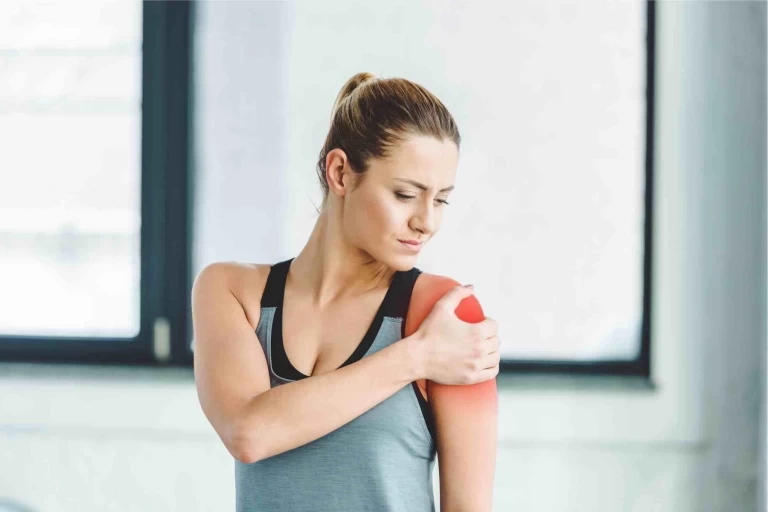
The moment it happens, you know something is wrong. Whether you've fallen directly onto your shoulder, taken a hard hit during sports, or experienced an awkward collision, the immediate sharp pain at the top of your shoulder can be both alarming and debilitating. Many patients describe the sensation as feeling like their collarbone has separated from their shoulder blade, creating an unfamiliar and uncomfortable prominence at the joint.
Within minutes of an acromioclavicular (AC) joint injury, simple daily activities that were once effortless suddenly become challenging. Reaching overhead to grab something from a shelf, putting on a shirt, or even sleeping comfortably can trigger waves of pain. The affected arm may feel weak and unstable, leaving many patients wondering if they've done permanent damage to their shoulder.
The initial confusion about what exactly has happened often adds to the distress. Unlike a broken bone with obvious deformity or a cut that needs stitches, AC joint injuries can be difficult to understand without proper medical evaluation. Patients frequently worry about whether they need surgery, how long recovery will take, and if they'll ever regain full use of their shoulder.
Fear about long-term effects is common, especially among athletes or individuals whose work requires overhead activities. Questions about returning to sports, maintaining job performance, and preventing future injuries often dominate patients' thoughts during those first painful hours and days after the injury occurs.
Why AC Joint Sprains Happen and What You're Dealing With
The acromioclavicular joint serves as a crucial connection point between your collarbone (clavicle) and the highest part of your shoulder blade (acromion). This small but important joint allows your shoulder to move through its full range of motion while providing stability during arm movements. Strong ligaments normally hold these bones together, but when excessive force is applied, these ligaments can stretch or tear.
Most AC joint injuries occur when patients fall directly onto the outside of their shoulder with the arm in an adducted position, or when they fall onto an outstretched hand. Contact sports like football, hockey, and rugby account for a significant percentage of these injuries, though they can also result from bicycle accidents, skiing mishaps, or even simple household falls.
Healthcare providers classify AC joint sprains into six different grades based on the extent of ligament damage and joint displacement. Grade I involves mild stretching of the AC ligament with no displacement, while Grade II includes partial tearing with slight elevation of the clavicle. Grades III through VI represent increasingly severe injuries with complete ligament tears and significant displacement of the clavicle.
This specific injury affects shoulder stability because the AC joint helps transfer forces from the arm to the rest of the body. When the joint is damaged, the normal mechanics of shoulder movement become disrupted, leading to pain, weakness, and compensatory movement patterns that can affect the entire shoulder complex.
Your Path from Pain to Restored Function
The journey from injury to recovery typically begins with immediate pain management and protection of the injured joint. Healthcare providers often recommend the RICE protocol (Rest, Ice, Compression, Elevation) during the first 48-72 hours after injury. Ice applications for 15-20 minutes every 2-3 hours can help reduce swelling and provide pain relief, while supporting the arm in a sling helps minimize stress on the healing ligaments.
Conservative treatment forms the foundation of AC joint sprain management for most patients, particularly those with Grade I and II injuries. This approach may include immobilization with a sling for 1-3 weeks, depending on the severity of the injury. During this period, healthcare providers often prescribe anti-inflammatory medications to help control pain and reduce swelling around the joint.
Physical therapy becomes a cornerstone of recovery once the acute pain subsides. The rehabilitation process typically progresses through several phases, beginning with gentle range-of-motion exercises to prevent stiffness and maintain joint mobility. As healing progresses, therapists gradually introduce strengthening exercises targeting the muscles that support the shoulder complex, including the deltoids, rotator cuff muscles, and upper trapezius.
Advanced rehabilitation phases focus on functional movement patterns and sport-specific activities for athletes. Physical therapists work with patients to restore normal shoulder mechanics, address any compensatory movement patterns that developed during the injury period, and build the strength and endurance necessary for return to full activity.
Surgical intervention may become necessary for patients with high-grade injuries (typically Grade IV, V, or VI) or those who fail to respond adequately to conservative treatment. Orthopedic surgeons can perform various procedures to restore AC joint stability, ranging from arthroscopic techniques to open reconstruction procedures. The choice of surgical approach depends on factors such as the patient's age, activity level, and specific injury characteristics.
The recovery team often includes multiple healthcare providers working collaboratively. Orthopedic specialists provide initial diagnosis and determine the need for surgical intervention, while physical therapists guide the rehabilitation process. Sports medicine physicians may be involved for athletes, and pain management specialists might contribute to comprehensive care for patients with persistent discomfort.
Life After Successful AC Joint Treatment
Patients who complete appropriate treatment for AC joint sprains typically experience significant improvements in shoulder function and quality of life. Most individuals with Grade I and II injuries can expect to regain nearly full range of motion and strength within 6-12 weeks of injury. Even those with more severe injuries often achieve excellent functional outcomes, though some may experience minor residual symptoms that don't significantly impact daily activities.
Return to sports and recreational activities represents a major milestone for many patients. Athletes can often resume non-contact activities within 4-6 weeks after injury, while return to full contact sports may require 8-12 weeks or longer, depending on the injury grade and individual healing response. Healthcare providers typically use specific criteria, including pain-free range of motion, adequate strength, and successful completion of sport-specific activities, to determine readiness for return to play.
Long-term shoulder stability and function generally remain good following appropriate treatment. Research indicates that most patients maintain satisfactory shoulder function years after their initial injury, even if some degree of joint prominence remains visible. The surrounding muscles adapt to provide additional stability, compensating for any residual ligament laxity.
Prevention strategies become important considerations for avoiding future injuries. These may include strengthening exercises for the shoulder and upper back muscles, proper warm-up routines before athletic activities, and technique modifications in high-risk sports. Patients often learn to recognize early warning signs of shoulder stress and take appropriate action to prevent re-injury.
Quality of life improvements following successful treatment extend beyond just shoulder function. Patients frequently report better sleep quality, reduced anxiety about their injury, and renewed confidence in their physical abilities. The ability to return to work without limitations, participate in recreational activities, and perform daily tasks without pain represents a significant improvement from the immediate post-injury period.
Recovery Timeline: What to Expect Along the Way
Conservative treatment recovery typically follows a predictable pattern, though individual healing rates may vary. During the first 1-2 weeks, patients focus on pain control and protecting the healing joint with sling immobilization. Week 3-4 often marks the beginning of gentle range-of-motion exercises as acute pain subsides. By weeks 4-6, most patients can begin progressive strengthening exercises under the guidance of a physical therapist.
Weeks 6-8 typically involve more aggressive rehabilitation, including functional movement patterns and gradual return to work activities. Full return to sports and heavy lifting usually occurs between weeks 8-12 for less severe injuries. Grade III injuries may require 12-16 weeks for complete recovery, while some patients may experience occasional discomfort for several months.
Surgical recovery follows a different timeline, with initial healing taking 4-6 weeks before aggressive rehabilitation can begin. Total recovery time for surgical patients typically ranges from 4-6 months, depending on the specific procedure performed and individual patient factors. The complexity of surgical recovery requires close coordination between the surgical team and physical therapy providers.
Several factors can influence healing speed, including patient age, overall health status, injury severity, compliance with treatment recommendations, and previous shoulder injuries. Younger patients often heal more quickly, while those with underlying health conditions or poor nutrition may experience prolonged recovery periods.
Patients should seek immediate medical attention if they experience increasing pain, significant swelling, numbness or tingling in the arm, or signs of infection following injury. Additionally, failure to progress as expected during rehabilitation or development of new symptoms warrants prompt evaluation by a healthcare provider to ensure appropriate treatment modifications.
Taking Your First Step Toward Shoulder Recovery
Proper initial evaluation and diagnosis form the foundation of successful AC joint sprain treatment. Early consultation with a qualified healthcare provider ensures accurate assessment of injury severity and development of an appropriate treatment plan. Delay in seeking proper medical care can sometimes lead to prolonged recovery or suboptimal outcomes.
Finding qualified orthopedic specialists involves considering factors such as board certification, experience with shoulder injuries, and patient reviews. Many healthcare systems offer sports medicine specialists who have particular expertise in AC joint injuries and understand the unique needs of active individuals. MedXimity can help connect patients with experienced providers in their local area who specialize in shoulder injuries.
During your first appointment, consider asking about the specific grade of your injury, expected recovery timeline, and criteria for progressing through different phases of treatment. Understanding whether conservative treatment is appropriate for your situation, what warning signs to watch for, and how to access physical therapy services can help ensure smooth progress through recovery.
Getting started with an appropriate treatment plan requires active participation in your care and clear communication with your healthcare team. Following through with prescribed treatments, attending all scheduled appointments, and honestly reporting your progress and concerns contributes significantly to achieving optimal outcomes. With proper care and patience, most patients with AC joint sprains can expect to return to their previous level of activity and function.
Frequently Asked Questions
How long does it take for an AC joint sprain to heal completely?
Recovery time varies depending on injury severity. Grade I injuries typically heal within 2-6 weeks, Grade II injuries may require 6-12 weeks, and Grade III injuries often need 3-4 months for complete recovery. More severe injuries requiring surgery may take 4-6 months or longer.
Can AC joint sprains heal without surgery?
Most AC joint sprains can be successfully treated without surgery. Conservative treatment is typically effective for Grade I, II, and many Grade III injuries. Surgery is usually reserved for high-grade injuries or cases where conservative treatment fails to provide adequate function.
Will I have permanent shoulder problems after an AC joint sprain?
Most patients achieve excellent long-term outcomes with appropriate treatment. While some may have minor residual symptoms or joint prominence, these typically don't significantly impact daily function or quality of life.
When can I return to sports after an AC joint injury?
Return to sports depends on injury severity and sport type. Non-contact activities may be possible within 4-6 weeks for minor injuries, while contact sports typically require 8-12 weeks or longer. Healthcare providers use specific functional criteria to determine readiness.
What are the signs that I need immediate medical attention for my shoulder injury?
Seek immediate care for severe deformity, numbness or tingling in the arm, inability to move the shoulder, signs of infection, or significantly worsening pain and swelling. These may indicate complications requiring urgent treatment.
Disclaimer: This information is for educational purposes only and should not replace professional medical advice. Always consult with a qualified healthcare provider for personalized medical guidance.