English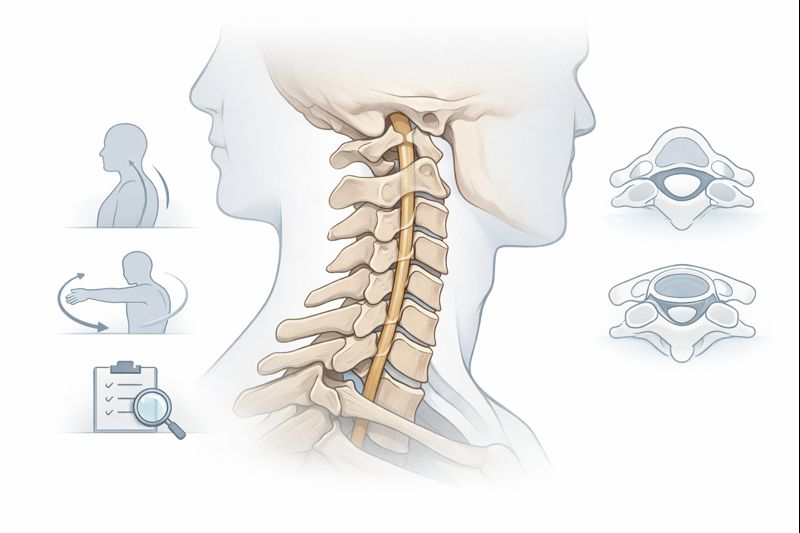
# Cervical Disc Disorder with Myelopathy: Comparing Your Treatment Paths
## Understanding Your Treatment Options for Cervical Disc Disorder with Myelopathy
Cervical disc disorder with myelopathy occurs when cervical discs compress the spinal cord, leading to symptoms that may include hand weakness, balance problems, and difficulty with fine motor tasks. This condition can significantly impact daily activities and quality of life, making treatment decisions particularly important for patients and their families.
When facing this condition, patients typically encounter two primary treatment pathways: conservative (non-surgical) management and surgical intervention. Conservative approaches focus on symptom management and functional improvement through non-invasive methods, while surgical options aim to directly address spinal cord compression by removing pressure sources.
The selection between these approaches depends on multiple factors that healthcare providers carefully evaluate. Individualized treatment planning becomes essential, as each patient's symptoms, severity, progression rate, and personal circumstances vary significantly. The complexity of this condition requires a collaborative approach involving various specialists.
A comprehensive healthcare team may include neurologists, orthopedic spine specialists, neurosurgeons, physical therapists, and pain management physicians. Each professional contributes unique expertise to help patients understand their options and make informed decisions about their care path forward.
## Conservative (Non-Surgical) Treatment Approach
Conservative management represents the initial approach many healthcare providers recommend for cervical myelopathy, particularly when symptoms are mild to moderate and not rapidly progressing. This pathway emphasizes symptom management, functional improvement, and potentially slowing disease progression through non-invasive interventions.
Physical therapy forms a cornerstone of conservative care, where specialized exercises may help improve spinal stability, strengthen supporting muscles, and enhance balance and coordination. Therapists often design programs targeting specific deficits while avoiding movements that could worsen spinal cord compression. Patients may work on proprioceptive training, gentle range-of-motion exercises, and postural correction techniques.
Medication management plays a significant role in conservative care. Healthcare providers may recommend nonsteroidal anti-inflammatory medications (NSAIDs) to reduce inflammation around affected structures. Corticosteroids might be prescribed to address more significant inflammatory responses, while neuropathic pain medications could help manage nerve-related symptoms like burning or tingling sensations.
Activity modification and ergonomic adjustments often become important components of daily management. Patients may benefit from workplace accommodations, modified recreational activities, and adaptive equipment to reduce strain on the cervical spine. These changes can help prevent symptom exacerbation while maintaining functional independence.
Injection therapies may provide targeted relief for some patients. Epidural steroid injections can deliver anti-inflammatory medication directly to affected areas, potentially reducing inflammation around compressed neural structures. Pain management techniques, including nerve blocks or trigger point injections, might address specific symptom patterns.
Conservative management typically shows results within 6-12 weeks, though some patients may experience gradual improvement over several months. Success rates vary, with approximately 30-40% of patients experiencing meaningful symptom improvement. This approach works best for patients with mild symptoms, stable neurological function, and no evidence of rapid progression.
## Surgical Treatment Approach
Surgical intervention becomes the primary consideration when conservative measures prove insufficient or when patients present with moderate to severe myelopathy symptoms. The goal involves removing pressure from the spinal cord and, in many cases, stabilizing the cervical spine to prevent future compression.
Anterior cervical discectomy and fusion (ACDF) represents one of the most commonly performed procedures. During this approach, surgeons access the spine from the front of the neck, remove the problematic disc material, and often place a bone graft or cage to maintain proper spacing between vertebrae. Fusion typically occurs over 3-6 months, creating permanent stability at the treated level.
Posterior approaches, including laminectomy and laminoplasty, access the spinal cord from the back of the neck. Laminectomy involves removing portions of the vertebral bone (lamina) to create more space for the spinal cord, while laminoplasty reshapes the bone to expand the spinal canal while preserving some structural integrity. These approaches may be preferred when compression occurs at multiple levels.
Artificial disc replacement has emerged as an alternative option for select patients, particularly younger individuals with single-level disease. This procedure maintains motion at the treated level, potentially reducing stress on adjacent segments, though long-term outcomes continue being studied.
Surgical candidacy requires careful evaluation of multiple factors. Ideal candidates typically have confirmed spinal cord compression on imaging studies, correlating neurological symptoms, and either failed conservative management or presented with moderate to severe symptoms initially. Contraindications might include significant medical comorbidities, active infections, or psychological factors that could impact recovery.
Success rates for surgical intervention generally range from 70-90% for symptom stabilization or improvement, with many patients experiencing enhanced functional capacity. Recovery timelines vary, with initial healing occurring over 6-12 weeks, followed by continued improvement over 6-12 months as inflammation resolves and rehabilitation progresses.
## Side-by-Side Treatment Comparison
Recovery timeframes differ significantly between approaches. Conservative management may show initial improvement within weeks to months, with ongoing benefit accumulation over extended periods. Surgical recovery involves initial healing phases of 6-12 weeks, followed by rehabilitation periods extending several months, though many patients notice symptom improvement relatively quickly after successful procedures.
Risk profiles present distinct considerations for each pathway. Conservative management carries minimal risks, primarily involving potential symptom progression if the approach proves insufficient. Surgical interventions involve standard surgical risks including infection, bleeding, and anesthesia-related complications, plus procedure-specific risks like adjacent segment degeneration, fusion-related issues, or incomplete symptom resolution.
Long-term outcomes show different patterns between approaches. Conservative management may provide ongoing symptom control for patients whose condition remains stable, though some individuals may experience gradual progression requiring future intervention. Surgical approaches often provide more definitive symptom improvement and may halt progression, though some patients might develop adjacent segment problems over time.
Cost considerations encompass both immediate and long-term financial factors. Conservative care typically involves lower upfront costs but may require ongoing expenses for therapy, medications, and monitoring. Surgical approaches involve higher initial costs but may reduce long-term care needs if successful, though insurance coverage varies significantly between different treatment options.
Reversibility differs between pathways. Conservative approaches remain easily modifiable or discontinued, allowing patients to transition between different non-surgical options or proceed to surgical intervention. Most surgical procedures create permanent structural changes, though additional procedures remain possible if needed.
Success rates for symptom relief vary based on patient selection and condition severity. Conservative management shows meaningful improvement in 30-40% of appropriately selected patients, while surgical intervention demonstrates success rates of 70-90% for symptom stabilization or improvement in suitable candidates.
## Which Treatment Approach Is Right for You?
Symptom severity serves as a primary decision factor when considering treatment pathways. Patients with mild symptoms and stable neurological function often benefit from conservative approaches initially, while those with moderate to severe symptoms, particularly involving significant hand weakness, balance problems, or progressive deterioration, may be better candidates for surgical intervention.
Age, overall health status, and activity level significantly influence treatment selection. Younger, healthier patients may tolerate surgical procedures better and have longer life expectancies to benefit from intervention, while older patients or those with significant medical comorbidities might face higher surgical risks. However, age alone should not determine treatment choices, as functional status often proves more important than chronological age.
Progressive neurological decline represents a critical indicator favoring surgical consideration. When patients experience worsening hand function, increasing balance difficulties, or developing new neurological symptoms over time, healthcare providers often recommend prompt surgical evaluation, as delayed intervention may result in incomplete recovery of lost function.
Personal preferences and lifestyle factors play important roles in decision-making. Some patients prefer exhausting conservative options before considering surgical intervention, while others prioritize definitive treatment to return to desired activities quickly. Work demands, family responsibilities, and recreational goals all influence treatment pathway selection.
Second opinion consultation becomes particularly valuable for complex cases or when treatment recommendations vary between providers. Spine specialists with extensive myelopathy experience can provide additional perspectives on treatment options, help clarify conflicting recommendations, and ensure patients understand all available approaches.
Essential questions for healthcare teams include: What are the risks of delaying intervention? How quickly might symptoms progress without treatment? What are realistic expectations for each treatment approach? What happens if the chosen treatment proves insufficient? These discussions help ensure informed decision-making aligned with patient values and goals.
## Making an Informed Treatment Decision
Treatment selection for cervical disc disorder with myelopathy requires careful consideration of symptom severity, progression rate, patient health status, and personal preferences. The most appropriate approach varies significantly between individuals, making personalized evaluation essential for optimal outcomes.
Early intervention, whether conservative or surgical, generally provides better results than delayed treatment, particularly when neurological symptoms are progressing. Prompt consultation with spine specialists helps ensure timely, appropriate care and prevents potentially irreversible neurological damage.
Healthcare providers specializing in spine conditions, including neurosurgeons, orthopedic spine specialists, and neurologists, can provide expert evaluation and treatment recommendations. MedXimity can help patients connect with qualified specialists in their area who have experience managing cervical myelopathy and can guide treatment decisions based on individual circumstances.
---
**Frequently Asked Questions**
**How long should conservative treatment be attempted before considering surgical options?**
Most healthcare providers recommend 6-12 weeks of conservative management for stable symptoms, though patients with rapidly progressing neurological decline may require earlier surgical evaluation.
**Can cervical myelopathy symptoms improve on their own without treatment?**
While some patients experience symptom stabilization, cervical myelopathy rarely improves spontaneously and often progresses without appropriate intervention, making professional evaluation important.
**What factors make someone a poor candidate for cervical spine intervention?**
Significant medical comorbidities, active infections, severe osteoporosis, or psychological factors that might impair recovery can influence treatment candidacy, though each case requires individual assessment.
**How successful are different surgical approaches for cervical myelopathy?**
Success rates generally range from 70-90% for symptom stabilization or improvement, with specific outcomes depending on procedure type, patient selection, and pre-operative symptom severity.
**Is it possible to have both conservative and surgical treatment?**
Yes, many patients begin with conservative management and later proceed to surgical intervention if symptoms progress or conservative measures prove insufficient.
This information is for educational purposes only and should not replace professional medical advice. Always consult with a qualified healthcare provider for personalized medical guidance.