키 포인트 요약
- Whiplash involves significant mechanical forces that can damage the upper cervical spine and disrupt nervous system signaling.
- Public skepticism often overlooks documented physiological impacts of acceleration-deceleration injuries on spinal alignment.
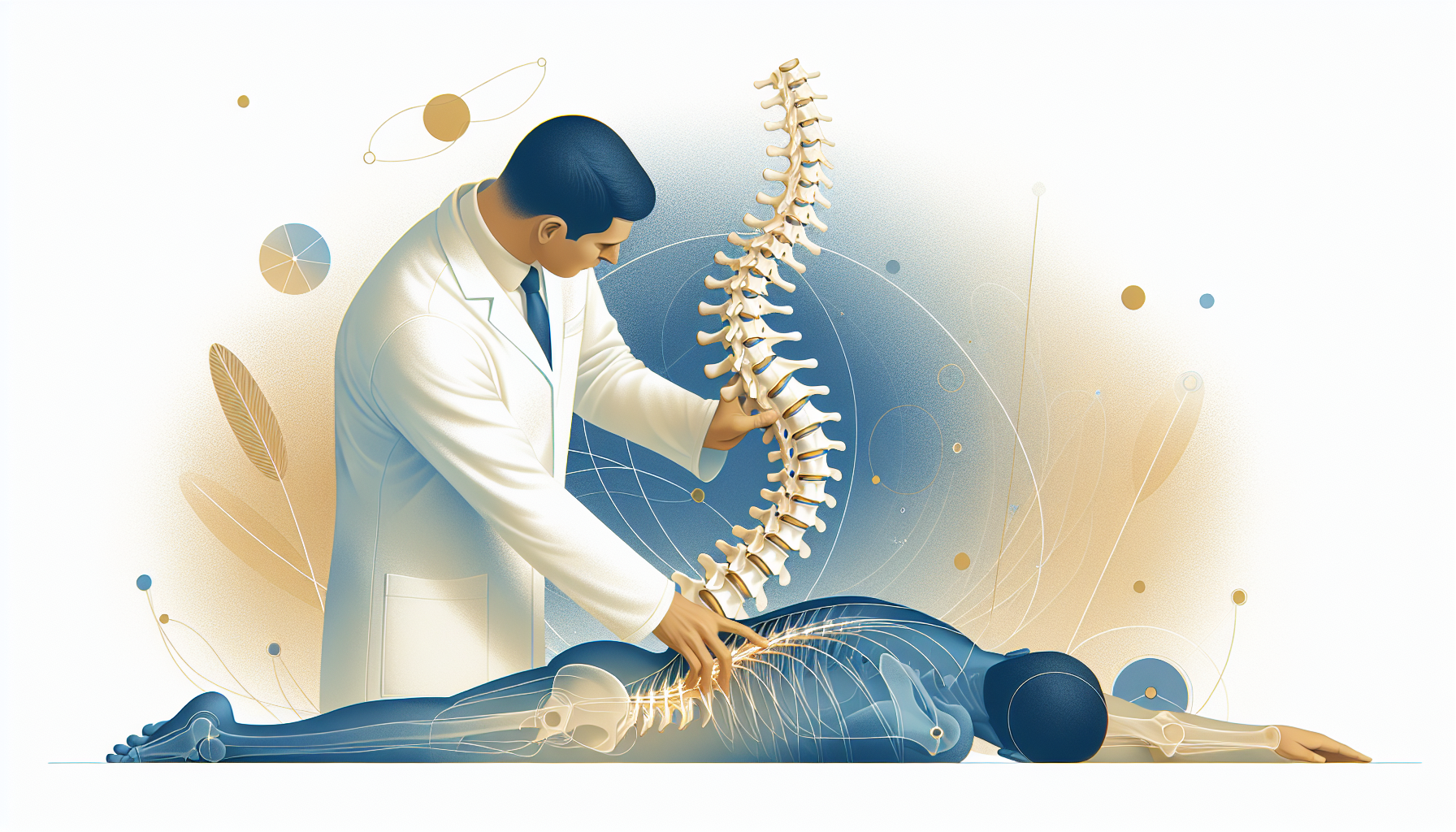
- Upper cervical chiropractic care focuses on restoring joint mobility to support natural nervous system function.
- Conservative management, including targeted adjustments and rehabilitation, remains the standard approach for recovery.
의료 면책조항: This article is for informational purposes only and does not constitute medical advice, diagnosis, or treatment. Always consult a qualified healthcare provider for personalized medical guidance. If you are experiencing a medical emergency, call 911 or your local emergency number immediately.
자주 묻는 질문
What exactly causes whiplash during a car accident?
Whiplash occurs when sudden acceleration or deceleration forces the neck to snap forward and backward beyond its normal range of motion. This rapid movement strains muscles, ligaments, and joints in the cervical spine. The mechanical stress can also irritate nerves and disrupt normal spinal alignment. Understanding these forces helps explain why symptoms like stiffness, headaches, and dizziness often follow even minor collisions.
How does whiplash affect the central nervous system?
The upper cervical spine houses critical nerve pathways that connect the brain to the rest of the body. When whiplash disrupts spinal alignment, it can interfere with nerve signaling. This interference may contribute to symptoms like brain fog, fatigue, or balance issues. Conservative care aims to restore proper joint mobility and reduce nerve irritation, allowing the nervous system to function more effectively during recovery.
What conservative treatments help with whiplash recovery?
Conservative whiplash management typically includes gentle spinal adjustments, targeted stretching, and therapeutic exercises. Many patients also benefit from soft tissue therapy, posture correction, and activity modification. These approaches focus on reducing inflammation, restoring range of motion, and supporting natural healing without invasive procedures or medication dependency.
When should someone see a whiplash trauma specialist?
You should consult a specialist if neck pain, headaches, or dizziness persist beyond a few days after an accident. Early evaluation helps rule out serious structural damage and establishes a conservative care plan. A qualified provider can assess spinal alignment, track symptom progression, and adjust treatment as your body heals.
How long does whiplash recovery usually take?
Recovery timelines vary based on injury severity and individual health factors. Many patients experience noticeable improvement within two to six weeks of consistent conservative care. Some cases require longer rehabilitation to fully restore mobility and reduce nerve irritation. Following a structured treatment plan and attending regular sessions typically supports the fastest safe recovery.