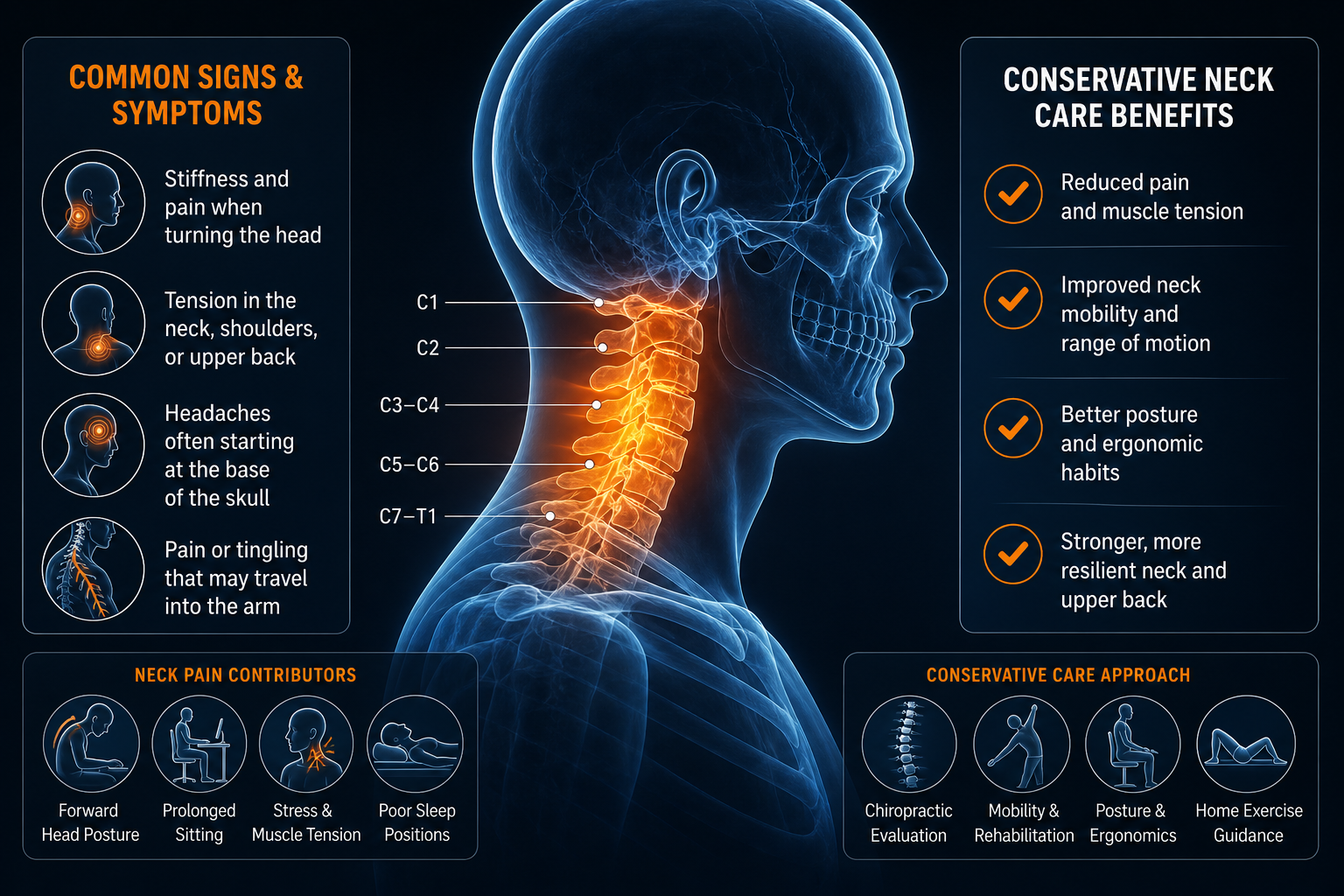
If you have neck pain when turning your head, feel like you can’t turn your neck without pain, or notice headaches that seem to start near the base of your skull, you may have come across the term upper cervical chiropractic. This focused style of chiropractic care looks closely at the upper neck, especially the first two cervical vertebrae, and uses precise, often low-force techniques to address movement and alignment concerns in that region.
Upper cervical care is not a cure-all, and it is not the right fit for every person. But for some patients with upper neck stiffness, cervicogenic headache patterns, posture-related discomfort, or irritation around the head-neck junction, it may be part of a conservative care plan. A qualified provider can evaluate your symptoms, screen for red flags, and help you understand whether this approach is appropriate for your situation.
If you are actively comparing options, you can use Medximity to find chiropractors near you and review providers who offer conservative spine care.
What Is Upper Cervical Chiropractic?
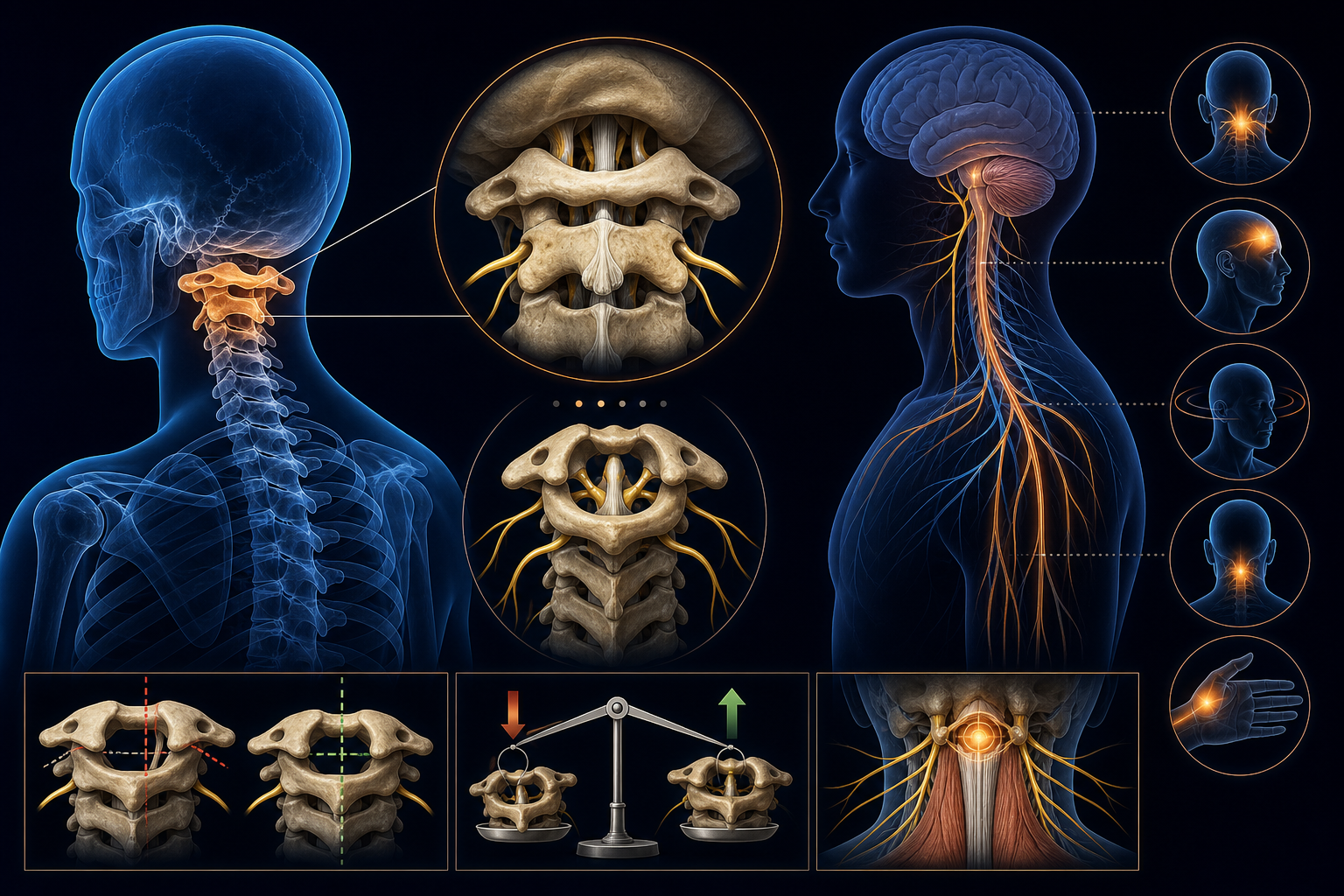
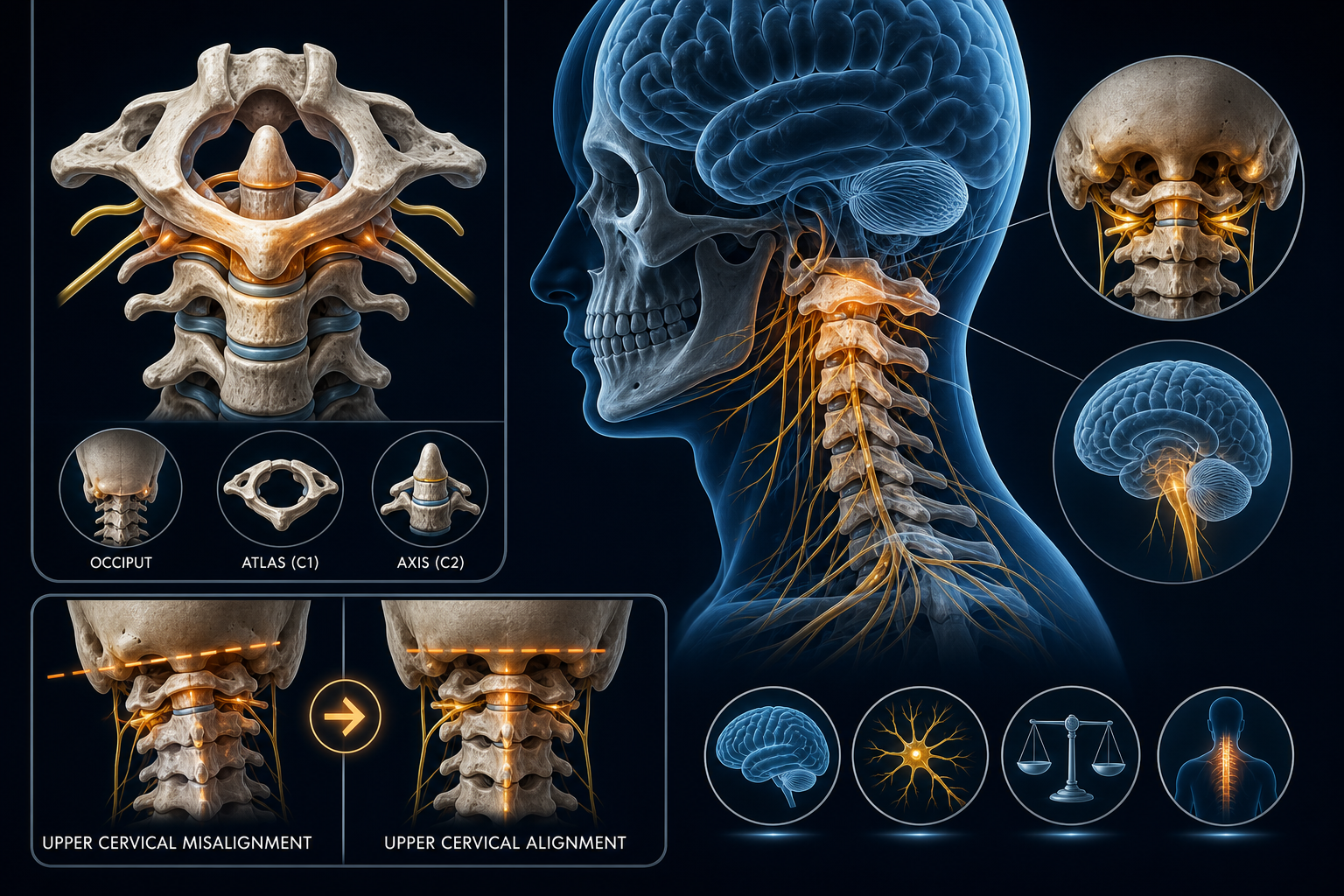
Upper cervical chiropractic is a chiropractic approach focused on the uppermost part of the neck, especially the atlas and axis, also known as C1 and C2. These two vertebrae sit directly below the skull and allow a large amount of head and neck motion. They are involved when you nod, rotate your head, check your blind spot, or look over your shoulder.
When people ask, “what is upper cervical chiropractic?” they are usually asking how it differs from general chiropractic care. The key difference is focus. A general chiropractic visit may address several regions of the spine or extremities. Upper cervical chiropractic spends more time assessing the head-neck junction and may use imaging, posture analysis, palpation, range-of-motion testing, or neurological screening to understand how that area is functioning.
Many upper cervical techniques are designed to be gentle and specific. Some use light manual pressure, table-assisted positioning, or instrument-guided methods rather than a traditional high-velocity neck manipulation. Patients often search for upper cervical care without neck cracking because they want a more targeted or lower-force option. Not every upper cervical chiropractor uses the same technique, so it is reasonable to ask how the provider evaluates and treats the upper neck before beginning care.
Why the Upper Neck Can Affect Pain and Movement
The upper cervical spine has a unique job. It supports the weight of the head, protects important neurological structures, and allows fine movement between the skull and neck. Because this area is highly mobile, irritation or restriction may contribute to symptoms such as upper neck soreness, reduced rotation, tension near the base of the skull, or headache patterns in some patients.
That does not mean every headache or neck symptom comes from the upper cervical spine. Headaches can have many causes, and neck pain can be related to muscles, joints, discs, nerves, stress, sleep position, injury, inflammatory conditions, or other medical concerns. A careful evaluation matters. If your symptoms are new, severe, worsening, or unusual for you, it is best to consult a qualified healthcare provider before assuming the cause.
For a broader overview of neck-related symptoms, see Medximity’s resource on neck pain causes and conservative care options.
Conditions Upper Cervical Chiropractic May Help Address
Patients commonly consider upper cervical chiropractic for several symptom patterns. The goal is typically to improve movement, reduce mechanical irritation, and support better function rather than to “fix” a condition overnight.
Upper Neck Pain and Stiffness
Upper neck pain may feel like soreness under the skull, tightness in the small muscles at the back of the head, or discomfort that worsens with looking up, turning, or sitting at a desk. Conservative care may include gentle upper cervical adjustments, soft tissue work, mobility exercises, posture coaching, and ergonomic changes.
Neck Pain When Turning the Head
If you have neck pain when turning head to one side, the problem may involve joint restriction, muscle guarding, inflammation, or irritation after sleeping awkwardly, driving, lifting, or spending long hours at a screen. An upper cervical chiropractor may assess rotation at C1-C2, shoulder and thoracic mobility, and muscle tone around the jaw, skull base, and neck.
Headaches That May Be Neck-Related
Some headaches are associated with neck dysfunction, especially when discomfort begins at the base of the skull and travels toward the forehead, temple, or behind the eye. Upper cervical chiropractic for headaches may be considered when exam findings suggest the upper neck is contributing. However, headaches can also reflect migraines, vascular issues, infection, medication effects, or other medical conditions, so evaluation is important.
You can learn more about common headache patterns in Medximity’s guide to headaches and conservative treatment options.
Posture-Related Upper Neck Strain
Forward head posture, prolonged laptop use, and frequent phone viewing may place extra strain on the upper cervical spine. Care may include adjustment, exercise, workstation changes, and education on taking movement breaks. These changes may help reduce repeated stress on the neck over time.
Upper Cervical Chiropractic vs Regular Chiropractic
Patients often compare upper cervical chiropractic vs regular chiropractic when deciding which provider to see. Both approaches fall within conservative chiropractic care, but they may differ in assessment, technique, and treatment focus.
Traditional chiropractic care may evaluate the entire spine and may include manual adjustments to the neck, mid-back, low back, pelvis, or extremities. Many chiropractors also provide soft tissue therapy, rehabilitative exercises, lifestyle guidance, and coordination with other providers when needed.
Upper cervical chiropractic narrows the focus to the head-neck junction. The exam may emphasize atlas-axis movement, head tilt, leg-length checks, posture measurements, or other technique-specific findings. The adjustment may be lighter and more localized than a standard neck adjustment. Some patients prefer this approach because they want a precise upper neck evaluation or a natural treatment for upper neck pain that does not involve medication or invasive procedures.
Neither style is automatically “better” for everyone. The right choice depends on your symptoms, exam findings, comfort level, health history, and goals. If you are unsure, read more about chiropractic care and what it may include, then discuss your preferences with a provider.
Is Upper Cervical Chiropractic Safe?
A common and appropriate question is, “is upper cervical chiropractic safe?” For many patients, conservative chiropractic care is generally well tolerated when performed by a licensed, properly trained provider after an appropriate evaluation. Mild soreness, temporary stiffness, or fatigue can occur after treatment, similar to what some people feel after exercise or manual therapy.
Safety depends on screening. A provider should ask about your health history, recent trauma, osteoporosis, inflammatory arthritis, cancer history, vascular conditions, neurological symptoms, medication use, and other factors that may change what care is appropriate. They should also explain the technique, expected sensations, possible risks, and alternatives before treatment.
Seek urgent medical care if neck pain is associated with major trauma, sudden severe headache, fainting, chest pain, fever, confusion, new weakness, numbness, trouble speaking, vision changes, loss of coordination, or bowel or bladder changes. These symptoms need prompt medical evaluation and should not be treated as routine neck stiffness.
What Happens During an Upper Cervical Adjustment?
If you are wondering what happens during upper cervical adjustment, the process usually begins before any adjustment is made. A responsible provider first performs a consultation and exam to understand your symptoms and determine whether care is appropriate.
1. History and Symptom Review
The chiropractor may ask when your pain started, what movements aggravate it, whether you have headaches, dizziness, jaw symptoms, arm symptoms, or prior injuries, and what you have already tried. They may also ask about work posture, sleep position, exercise, and daily activities.
2. Physical Examination
The exam may include range-of-motion testing, palpation, posture assessment, orthopedic tests, neurological screening, and movement evaluation. Some upper cervical providers may recommend imaging when clinically appropriate, but imaging is not needed for every patient.
3. Explanation of Findings
Before care begins, your provider should explain what they found in plain language. You should have a chance to ask questions about the technique, the purpose of the adjustment, and what alternatives may be available.
4. The Adjustment
An upper cervical adjustment is often performed with the patient lying on their side, seated, or positioned on a specialized table, depending on the technique. The provider may use light, specific pressure near the upper neck or an instrument-assisted method. Some techniques do not produce the popping or cracking sound commonly associated with spinal manipulation.
5. Reassessment and Aftercare
After the adjustment, the chiropractor may reassess posture, motion, muscle tone, or symptoms. They may recommend gentle movement, hydration, temporary activity modification, home exercises, or follow-up care based on your response.
If this is your first chiropractic visit, Medximity’s article on what to expect at a chiropractic appointment can help you feel more prepared.
How Long Does an Upper Cervical Adjustment Take?
Many patients ask, “how long does upper cervical adjustment take?” The adjustment itself may take only a few minutes, but the appointment is longer because evaluation and explanation matter. A first visit may take 30 to 60 minutes or more, depending on the provider and the complexity of your symptoms. Follow-up visits are often shorter.
Care plans vary. Some people feel short-term relief after one visit, while others need several visits combined with exercise, posture changes, or rehabilitation to notice meaningful improvement. A trustworthy provider should avoid guaranteeing results and should adjust recommendations based on your progress.
When to See an Upper Cervical Chiropractor
Consider scheduling an evaluation if you have persistent upper neck pain, limited head rotation, recurring stiffness at the base of the skull, headaches that seem connected to neck movement, or discomfort that affects driving, sleep, desk work, or daily activity. You may also want to consult a provider if self-care has not helped or if symptoms keep returning.
Patients often search for an upper cervical chiropractor near me when they want local care that is accessible and consistent. If your main concern is finding the best upper cervical chiropractor for neck pain, look for a licensed provider who explains their exam process, uses techniques you are comfortable with, screens for medical red flags, and offers a plan that includes active self-care rather than adjustment alone.
You can start by searching Medximity for chiropractors who treat neck pain. If your symptoms also involve weakness, radiating pain, or movement limitations, a collaborative plan with rehabilitation may be useful; Medximity can also help you find physical therapists near you.
Natural Treatment Options That May Be Used With Upper Cervical Care
Upper cervical chiropractic may be one part of a broader conservative plan. Depending on your exam, a provider may recommend:
- Gentle upper cervical or spinal adjustments
- Soft tissue therapy for tight muscles around the neck, shoulders, and jaw
- Range-of-motion and mobility exercises
- Deep neck flexor strengthening to support posture
- Ergonomic changes for desk, phone, and driving posture
- Sleep position and pillow guidance
- Activity pacing while symptoms calm down
This combined approach may be more helpful than relying only on passive care. The goal is to reduce irritation, improve movement tolerance, and help you return to normal activities safely.
Questions to Ask Before Starting Care
Before choosing a provider, consider asking:
- What upper cervical technique do you use?
- Do you offer upper cervical care without neck cracking?
- How do you determine whether I am a good candidate?
- What symptoms would require medical referral?
- Will my plan include exercises or home care?
- How will we measure progress?
Clear answers help you choose care that matches your preferences and health needs. A good provider should welcome questions and explain risks, benefits, and alternatives in a balanced way.
Finding Upper Cervical Chiropractic Care Near You
Upper cervical chiropractic may be worth exploring if your symptoms appear related to the upper neck and you prefer a precise, conservative approach. It is especially reasonable to seek an evaluation when pain limits your head movement, interferes with sleep, or keeps returning despite basic self-care.
Use Medximity to compare local options, read provider information, and search for upper cervical chiropractors near you. A qualified chiropractor can help you understand whether upper cervical care fits your symptoms and whether additional conservative treatment may be appropriate.
Frequently Asked Questions About Upper Cervical Chiropractic
What is upper cervical chiropractic?
Upper cervical chiropractic is a focused form of chiropractic care that evaluates and treats the top of the neck, especially the C1 and C2 vertebrae. It may use gentle, specific adjustments to address movement restrictions or mechanical irritation in the head-neck region.
Is upper cervical chiropractic safe?
For many patients, upper cervical chiropractic is generally well tolerated when performed by a licensed provider after proper screening. Safety depends on your health history, symptoms, and the technique used. New neurological symptoms, severe headache, fever, or trauma-related neck pain should be medically evaluated promptly.
Does upper cervical chiropractic involve neck cracking?
Not always. Many upper cervical techniques use light pressure, positioning, or instrument-assisted methods that may not create a cracking or popping sound. If you prefer upper cervical care without neck cracking, ask the provider which techniques they use.
Can upper cervical chiropractic help headaches?
Upper cervical chiropractic may help some patients whose headaches appear related to neck movement, muscle tension, or irritation near the base of the skull. Headaches can have many causes, so a careful evaluation is important before beginning care.
How long does an upper cervical adjustment take?
The adjustment itself may take only a few minutes, but the full visit includes consultation, examination, explanation, treatment, and reassessment. First appointments are usually longer than follow-up visits.
When should I see a provider for neck pain when turning my head?
Consider seeing a provider if pain limits your ability to turn your head, affects driving or sleep, lasts more than a few days, keeps returning, or is associated with headaches. Seek urgent care for severe trauma, sudden severe headache, weakness, numbness, vision changes, or trouble speaking.