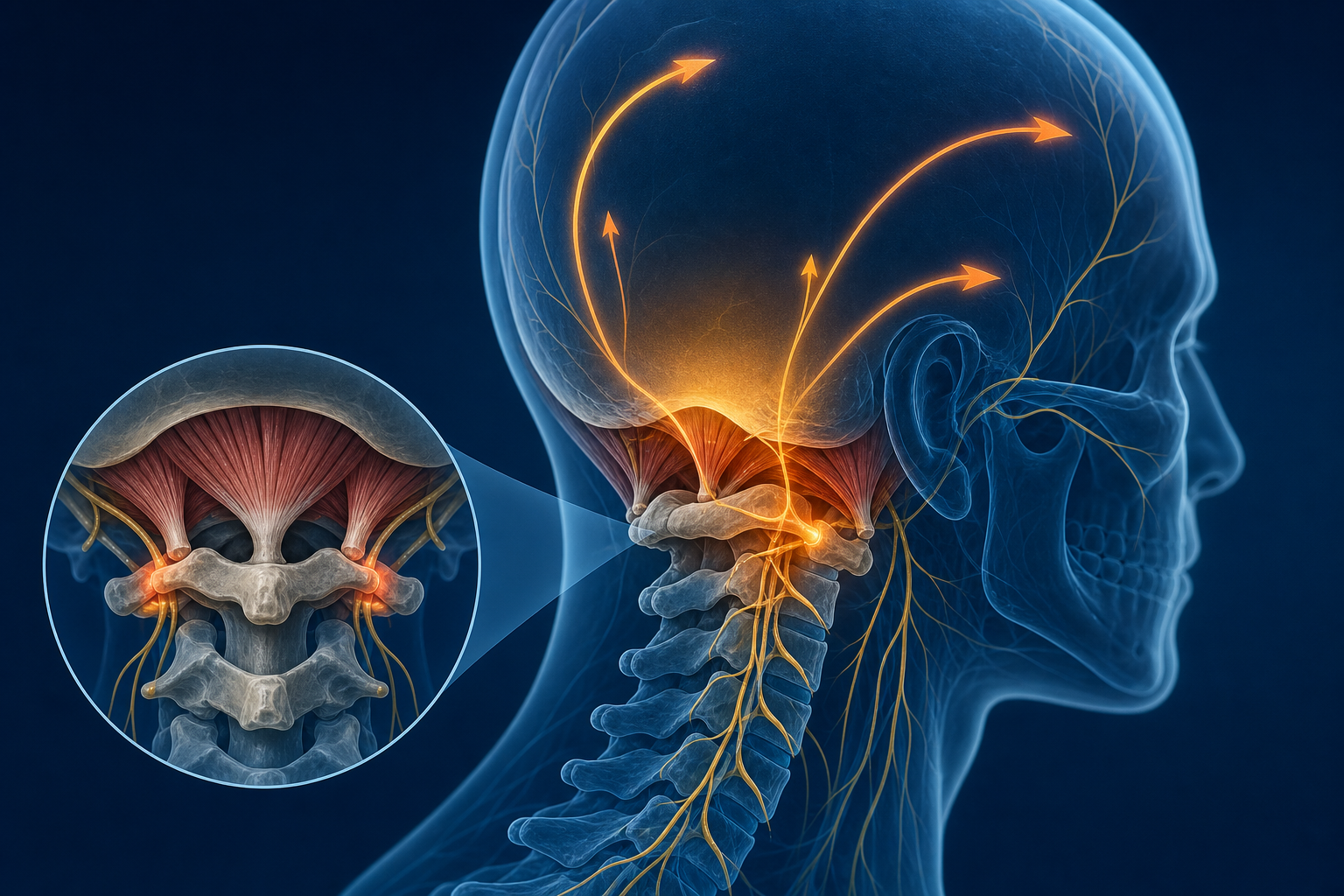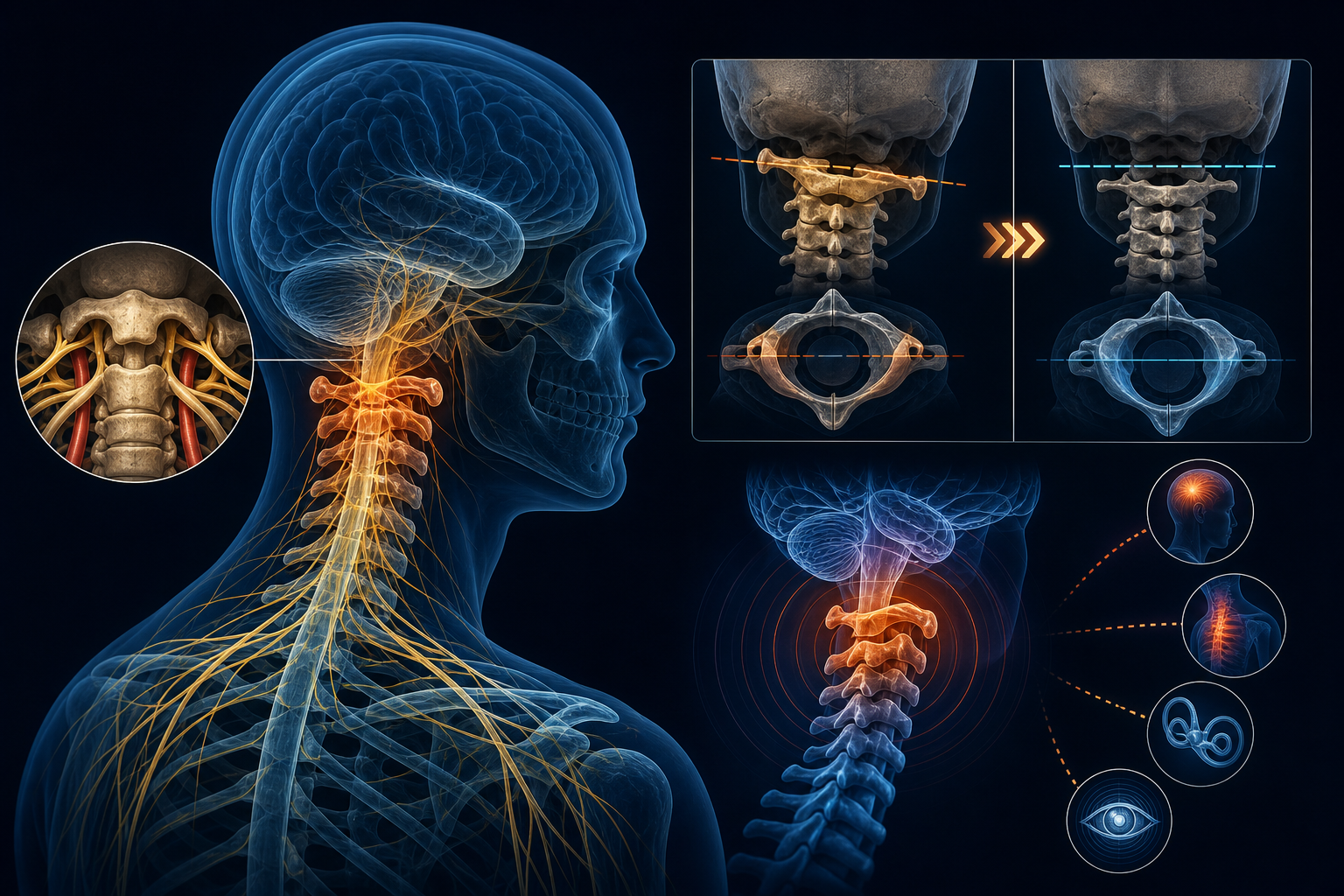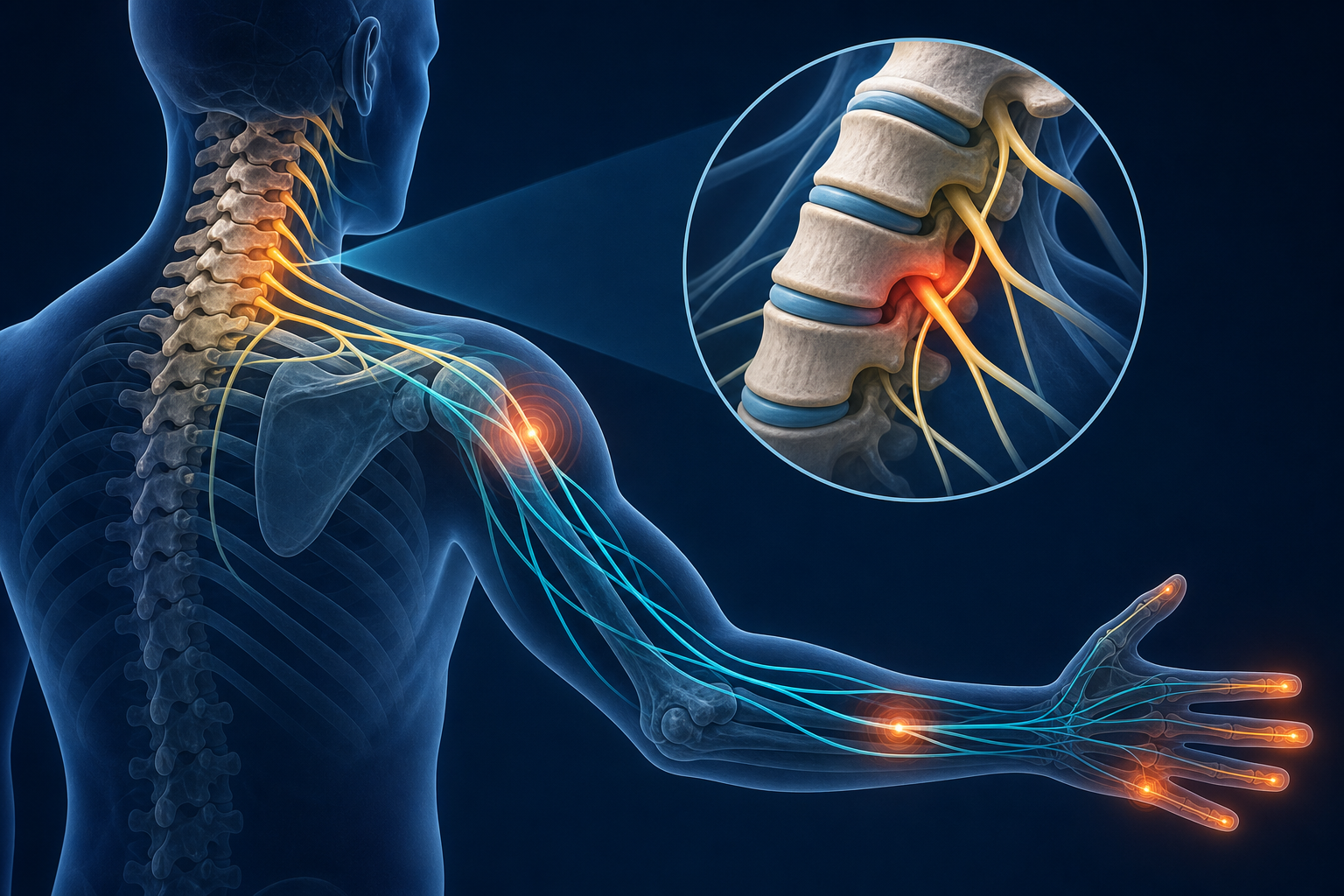
Understanding Neck and Arm Pain (Cervicobrachial Syndrome): Symptoms, Causes, and Treatment starts with a simple idea: symptoms in the arm do not always begin in the arm. In many cases, pain, tingling, numbness, or weakness that travels from the neck into the shoulder, arm, hand, or fingers may be related to irritation of nerves or other tissues in the cervical spine, which is the neck portion of the spine.
Cervicobrachial syndrome is a broad term providers may use when neck symptoms are associated with arm symptoms. It is not a single diagnosis by itself. Instead, it describes a pattern that can have several possible causes, including cervical joint irritation, muscle tension, nerve root irritation, disc-related changes, postural strain, or a combination of factors. If you are searching for neck pain information because your pain is moving into your shoulder or arm, it is reasonable to have the symptoms evaluated by a qualified healthcare provider.
This guide explains what cervicobrachial syndrome is, why neck pain radiating down the arm can happen, when tingling fingers from neck pain may need prompt attention, and what conservative treatment for neck and arm pain may involve.
What Is Cervicobrachial Syndrome?
If you are wondering what is cervicobrachial syndrome, the term can be broken into two parts. Cervico refers to the cervical spine, or neck. Brachial refers to the arm. Together, cervicobrachial describes symptoms that involve both the neck and the arm.
Patients often describe cervicobrachial pain in one of several ways. Some feel a deep ache at the base of the neck that spreads toward the shoulder blade. Others feel a sharp, electric, burning, or shooting sensation that travels down the arm. Some notice tingling fingers from neck pain, hand numbness, grip changes, or a heavy feeling in the arm. The exact pattern can vary depending on which tissues are irritated and whether a nerve pathway is involved.
Because cervicobrachial syndrome is a symptom pattern rather than one specific disease, the evaluation matters. A chiropractor, physical therapist, or medical provider may look at your posture, neck movement, arm strength, reflexes, sensation, muscle tenderness, and symptom behavior. The goal is to identify whether the symptoms appear to be mechanical, nerve-related, inflammatory, injury-related, or possibly connected to another medical concern.
Why Neck Problems Can Cause Arm Symptoms
The neck contains small joints, discs, muscles, ligaments, and nerves that help support and move the head. Nerves exit the cervical spine and travel into the shoulder, arm, wrist, hand, and fingers. When one of these nerve pathways is irritated, compressed, or sensitized, symptoms may be felt along the path of the nerve rather than only in the neck.
This is why neck pain radiating down arm can feel confusing. The painful area may be the upper arm, forearm, hand, or fingers, even though the source of irritation may be closer to the cervical spine. Not every case of arm pain comes from the neck, however. Shoulder conditions, elbow problems, wrist nerve irritation, circulation concerns, and other medical issues can cause overlapping symptoms. A hands-on assessment can help sort out the likely source.
The Role of Cervical Nerves
Cervical nerve roots leave the spine through openings between the vertebrae. These nerves help control sensation and movement in the upper body. If a nerve root becomes irritated, a person may experience symptoms that follow a recognizable distribution. For example, one nerve pattern may affect the thumb side of the hand, while another may be more noticeable in the middle finger or little finger. These patterns are not perfect maps, but they can guide a provider during examination.
The Role of Muscles and Soft Tissues
Muscles in the neck, upper back, chest, and shoulder girdle can also contribute to neck and arm symptoms. Tight or overworked muscles may create local pain, referred pain, or a sense of heaviness around the shoulder and arm. Trigger points in certain muscles may mimic nerve-like symptoms in some patients. Poor endurance in the deep neck flexors or shoulder stabilizers can also increase strain during computer work, driving, lifting, or phone use.
The Role of Posture and Repeated Loading
Posture does not have to be perfect to be healthy. Bodies are built to move and adapt. Problems may develop, however, when the neck is held in one position for long periods or exposed to repeated loading without enough recovery. Neck pain from phone posture is a common example. Looking down at a phone for long stretches may increase the workload on the neck and upper back muscles. Over time, some people develop stiffness, headaches, shoulder discomfort, or symptoms that travel into the arm.
If posture and screen habits seem to be part of your symptoms, you may find Medximity's article on text neck and phone-related neck strain helpful as a starting point.
Common Symptoms of Cervicobrachial Syndrome
Cervicobrachial syndrome can look different from person to person. Some symptoms are mild and intermittent. Others are persistent, disruptive, or associated with neurological changes that need medical attention. Common symptoms may include:
- Neck pain that spreads to the shoulder, shoulder blade, upper arm, forearm, hand, or fingers
- Burning, shooting, electric, or aching pain down the arm
- Neck and shoulder pain with numbness
- Tingling, pins and needles, or altered sensation in the fingers
- Muscle tightness in the neck, upper back, chest, or shoulder area
- Reduced neck range of motion or stiffness when turning the head
- Symptoms that worsen with prolonged sitting, driving, phone use, or computer work
- Symptoms that change when the neck position changes
- Arm heaviness, fatigue, or reduced grip confidence
- Headaches that seem to start near the base of the skull, in some cases
The details matter. A provider may ask where symptoms travel, what makes them better or worse, whether numbness is constant or comes and goes, and whether you have noticed weakness or coordination changes. These clues can help determine whether conservative care is appropriate and what kind of plan may fit your situation.
Causes of Neck and Arm Pain
The causes of neck and arm pain can involve joints, discs, nerves, muscles, posture, injury, or general health factors. Often, more than one factor is present. A person might have mild age-related disc changes, a period of heavy computer work, and increased muscle tension at the same time. Another person may develop symptoms after a fall, sports impact, or car accident. Conservative providers typically look for patterns rather than assuming one cause from one symptom.
Cervical Radiculopathy or Nerve Root Irritation
Cervical radiculopathy is a term used when a cervical nerve root is irritated or compressed and causes symptoms such as pain, numbness, tingling, or weakness into the arm. It can be associated with disc changes, narrowing around the nerve opening, inflammation, or other mechanical factors. Not every case of cervicobrachial syndrome is radiculopathy, but radicular symptoms are one reason a careful neurological screen is important.
If your provider suspects a pinched or irritated nerve, they may discuss symptom distribution, reflexes, muscle testing, sensation testing, and positions that increase or reduce symptoms. Medximity's page on pinched nerve symptoms and conservative care offers additional background.
Disc-Related Neck Pain
Cervical discs sit between the vertebrae and help absorb load. Disc irritation or disc-related changes may contribute to neck pain and, in some cases, nerve symptoms into the arm. Imaging findings such as bulges or degeneration are not always the cause of symptoms, because many people have age-related changes without major pain. A provider should interpret imaging, if needed, alongside your examination and symptom history.
Facet Joint and Spinal Mobility Problems
The facet joints in the neck guide motion and can become irritated after strain, prolonged posture, or injury. Joint stiffness or sensitivity may contribute to local neck pain, pain near the shoulder blade, or guarded movement. Chiropractic care and physical therapy sometimes address these mobility restrictions through gentle manual techniques, therapeutic exercise, and movement retraining when appropriate.
Muscle Strain and Myofascial Pain
Muscle and fascia, the connective tissue around muscles, can be a major part of cervicobrachial symptoms. The upper trapezius, levator scapulae, scalenes, pectoral muscles, and rotator cuff muscles can all contribute to neck, shoulder, and arm discomfort. Myofascial pain may feel like a deep ache, tight band, tender knot, or referred pain into nearby areas. Soft tissue work, stretching, strengthening, and ergonomic changes may help some patients manage these symptoms.
Phone, Desk, and Driving Posture
Neck pain from phone posture, laptop work, long commutes, and poorly supported workstations is common. The issue is usually not one bad posture by itself. It is the combination of sustained position, low movement variety, muscle fatigue, and limited recovery. Small changes can make a meaningful difference for some people, such as raising the screen, supporting the forearms, taking brief movement breaks, alternating sitting and standing, and keeping the phone closer to eye level when possible.
Whiplash or Sudden Neck Strain
A sudden acceleration-deceleration injury, such as a car crash or sports collision, can strain the muscles, ligaments, joints, and nerves of the neck. Symptoms may appear immediately or develop over the next day or two. Neck and shoulder pain with numbness after trauma should be evaluated, especially if symptoms are severe, progressive, or associated with weakness, dizziness, severe headache, confusion, or other concerning signs.
Shoulder, Elbow, or Wrist Conditions That Mimic Neck Pain
Not all arm tingling or arm pain begins in the neck. Shoulder impingement, rotator cuff irritation, thoracic outlet-type symptoms, tennis elbow, carpal tunnel syndrome, and ulnar nerve irritation at the elbow can overlap with cervical symptoms. This is why a provider may examine more than your neck. They may test shoulder motion, wrist and hand function, grip strength, and nerve mobility to understand the full picture.
Is Arm Tingling From Neck Serious?
Many cases of tingling, numbness, or radiating pain are related to irritation that may improve with appropriate conservative care. Still, arm tingling from neck pain should not be ignored, especially if it is new, worsening, constant, or associated with weakness. The question is arm tingling from neck serious depends on the pattern, severity, associated symptoms, and your health history.
Schedule an evaluation with a qualified provider if you have neck pain radiating into the arm that lasts more than a few days, keeps returning, interferes with sleep or work, or is associated with numbness, tingling, or reduced strength. Earlier evaluation is also wise if symptoms started after a fall, collision, sports injury, or heavy lifting event.
When to Seek Urgent Medical Care
Seek urgent medical attention if neck and arm symptoms are accompanied by any of the following:
- Sudden or progressive arm or hand weakness
- Loss of coordination, trouble walking, or balance changes
- Numbness that is spreading, severe, or affecting both arms
- Loss of bladder or bowel control
- Severe headache, confusion, fainting, or vision changes
- Fever, unexplained weight loss, or feeling seriously unwell
- Severe pain after significant trauma
- Chest pain, shortness of breath, jaw pain, sweating, or symptoms that could suggest a heart-related emergency
These signs do not prove that something dangerous is happening, but they are important enough to be assessed promptly. If you are uncertain, it is safer to contact a medical professional or emergency service for guidance.
How Long Does Cervicobrachial Pain Last?
How long does cervicobrachial pain last varies widely. Mild mechanical irritation may improve over days to a few weeks with activity modification, gentle movement, and appropriate care. Nerve-related symptoms may take longer and can fluctuate as irritated tissues calm down. Symptoms related to trauma, significant nerve compression, or long-standing postural and strength deficits may require a more structured rehabilitation plan.
Duration also depends on factors such as sleep quality, work demands, stress, general health, exercise habits, and whether symptoms are repeatedly aggravated. A person who can adjust their workstation and take movement breaks may recover differently than someone whose job requires hours of sustained neck posture or repetitive overhead work.
As a general rule, symptoms that are severe, spreading, associated with weakness, or not improving should be evaluated. Waiting too long can make it harder to identify triggers and may allow protective movement habits to become ingrained.
How Providers Evaluate Neck and Arm Pain
A provider visit for cervicobrachial syndrome usually begins with a careful history. You may be asked when symptoms started, where they travel, whether there was an injury, which activities make symptoms better or worse, whether you have numbness or tingling, and whether you have noticed weakness or coordination changes.
The physical examination may include posture observation, neck range of motion, shoulder movement, muscle palpation, reflex checks, sensation testing, strength testing, and orthopedic or neurological screening. Providers may also assess how symptoms respond to specific movements or positions. For example, some patients feel relief when the arm is supported, while others notice symptoms change when the neck is gently moved in a certain direction.
Imaging is not always needed for neck and arm pain. In many cases, conservative care can begin based on history and examination. Imaging or referral may be considered if there are red flags, significant trauma, progressive neurological findings, severe or persistent symptoms, or if the provider believes another condition needs to be ruled out.
Treatment for Neck and Arm Pain Without Surgery
Many patients search for neck nerve pain treatment without surgery because they want to understand conservative options first. Conservative care may include education, activity modification, chiropractic care, physical therapy, therapeutic exercise, nerve mobility work, manual therapy, posture and ergonomic coaching, and a gradual return to normal activities. The right approach depends on your examination findings and comfort level.
Conservative treatment does not mean ignoring symptoms. It means using non-invasive strategies that aim to reduce irritation, improve movement, restore strength, and help you manage triggers. Some people respond quickly to small changes. Others need a longer plan that builds capacity over time.
Chiropractic Care for Neck and Arm Pain
A chiropractor may evaluate spinal mobility, joint irritation, muscle tension, posture, and nerve-related signs. Treatment may include gentle spinal manipulation or mobilization, soft tissue therapy, stretching, exercise instruction, and ergonomic recommendations. For some patients, chiropractic care may help reduce mechanical neck irritation and improve movement. It should be tailored to the person and adjusted if symptoms are highly irritable or neurological signs are present.
If you are searching for a chiropractor for neck arm pain near me, Medximity can help you compare local options. Start with the Medximity chiropractor directory to find providers who may evaluate neck pain, arm symptoms, posture-related strain, and related musculoskeletal concerns.
Physical Therapy for Cervicobrachial Syndrome
Physical therapy for cervicobrachial syndrome often focuses on restoring comfortable movement and building strength in the neck, upper back, shoulder blade, and arm. A physical therapist may use exercise progression, manual therapy, nerve gliding when appropriate, posture coaching, breathing and relaxation strategies, and return-to-work or return-to-sport planning.
Common goals include improving deep neck flexor endurance, strengthening the shoulder blade stabilizers, reducing overuse of irritated muscles, improving thoracic spine mobility, and teaching symptom-guided movement. Some patients also benefit from graded exposure, which means gradually rebuilding tolerance for activities that currently trigger symptoms.
To find rehabilitation-focused care, visit the Medximity physical therapist directory or learn more about physical therapy treatment options.
Manual Therapy and Soft Tissue Techniques
Manual therapy may include joint mobilization, gentle manipulation, soft tissue release, stretching, or assisted movement. These techniques may help some patients reduce stiffness, calm sensitivity, and move more comfortably. Manual therapy is often most useful when paired with active strategies, such as home exercises, strengthening, and changes to daily habits.
Patients who are considering chiropractic care can also review Medximity's overview of chiropractic treatment to better understand what a conservative visit may include.
Therapeutic Exercise
Exercise is often a central part of treatment for neck and arm pain. The exact exercise plan should be based on your evaluation, because the wrong intensity or direction can aggravate symptoms for some people. A provider may start with gentle range-of-motion work, supported postures, breathing drills, or low-load strengthening. Over time, the plan may progress toward resistance training, endurance work, and job- or sport-specific movements.
Common categories of exercise may include deep neck flexor activation, scapular retraction or upward rotation work, thoracic extension mobility, shoulder strengthening, grip and forearm conditioning, and gentle nerve mobility exercises. The goal is not simply to stretch a painful area. It is to improve how the neck, shoulder, and arm share load during real daily activities.
Nerve Mobility Exercises
Nerve mobility exercises, sometimes called nerve glides or nerve flossing, are designed to gently move a nerve pathway through surrounding tissues. They are not appropriate for every case and should not be forced. If nerve symptoms are severe, highly irritable, or worsening, a provider should guide the plan. When used appropriately, gentle nerve mobility work may help some patients tolerate movement and reduce sensitivity.
Ergonomic and Activity Changes
Small changes to daily routines may reduce repeated irritation. A provider may suggest raising your monitor, using a headset for calls, keeping your elbows supported, bringing your phone closer to eye level, changing pillow position, varying sitting posture, or taking short movement breaks. The goal is to reduce sustained load, not to make you hold a rigid perfect posture all day.
For desk work, consider whether your screen is at a comfortable height, your keyboard and mouse are close enough to avoid reaching, and your chair supports a relaxed but upright position. For driving, adjust the seat so your arms do not have to reach excessively and your head is not pushed forward. For phone use, alternate hands, use voice features when practical, and avoid long sessions looking down without breaks.
What to Expect at Your First Visit
If you are seeing a chiropractor, physical therapist, or medical provider for neck and arm pain, the first visit is usually focused on understanding the symptom pattern and ruling out warning signs. You can expect questions about your health history, work demands, exercise habits, sleep position, medications or medical conditions, and whether symptoms are changing.
Your provider may ask you to move your neck and shoulders, test your arm strength, check sensation in your hands or fingers, and assess reflexes. They may also evaluate your posture, spinal mobility, muscle tenderness, and how your symptoms respond to certain movements. If the exam suggests that conservative care is appropriate, your provider may explain a working impression and recommend a plan.
A care plan may include in-office treatment, home exercises, activity modifications, and follow-up visits to track progress. You should feel comfortable asking what each treatment is intended to do, what symptoms to monitor, and when to report changes. Good conservative care should be collaborative and adjusted based on your response.
Questions to Ask Your Provider
Patients often feel more confident when they know what to ask. Consider bringing questions such as:
- What findings suggest my symptoms may be coming from my neck, shoulder, or another area?
- Do I have any signs of nerve involvement, such as weakness, reflex changes, or sensory changes?
- Are my symptoms appropriate for conservative care at this stage?
- What activities should I temporarily modify, and what movements are safe to continue?
- What should I do if tingling, numbness, or weakness changes?
- How will we measure progress over the next few visits?
- What home exercises should I start with, and how should they feel?
These questions do not replace a professional evaluation, but they can help you understand the plan and participate actively in your recovery.
Self-Care Strategies That May Help Between Visits
Self-care should be gentle, symptom-guided, and appropriate for your situation. If any strategy increases radiating pain, numbness, tingling, or weakness, stop and ask a provider for guidance. In many cases, the most useful first steps are simple.
Keep Moving Within Tolerance
Long periods of stillness can make the neck feel more guarded. Gentle movement, such as slow neck rotations, shoulder rolls, or short walks, may help some people reduce stiffness. Avoid forcing end-range movements or stretching aggressively into arm symptoms.
Change Positions Often
If computer work or phone use aggravates symptoms, brief position changes may help. Try a one- to two-minute movement break every 30 to 45 minutes when possible. Even standing, walking, or gently moving the shoulders can reduce sustained loading.
Support the Arm When Symptoms Flare
Some people with neck and arm pain feel temporary relief when the arm is supported on a pillow, armrest, or desk surface. This may reduce traction or load on sensitive tissues. If support helps, mention it to your provider because it may offer a useful clinical clue.
Use Heat or Cold Carefully
Some patients prefer heat for muscle tightness, while others prefer cold for soreness after activity. Either may be reasonable if used safely and if it feels helpful. Avoid extreme temperatures, do not sleep with a heating pad, and be cautious if you have reduced sensation.
Avoid Testing the Symptoms Repeatedly
It is natural to check whether symptoms are still there. But repeatedly bending the neck, stretching into tingling, or testing grip strength can keep irritated tissues sensitized. A provider can help you choose a safer way to monitor progress.
Can Cervicobrachial Syndrome Be Prevented?
Not every episode can be prevented, especially if symptoms are related to injury, anatomy, or health factors outside your control. However, many people can reduce recurrence risk by improving movement variety, strength, workstation setup, sleep habits, and recovery between demanding activities.
Prevention often looks less like perfect posture and more like capacity. A neck and shoulder region that is strong, mobile, and accustomed to varied positions may tolerate daily stress better. Regular exercise, resistance training, walking, and breaks from sustained screen use may all support long-term musculoskeletal health. If your work involves repetitive tasks or prolonged desk time, a provider can help you build a plan that fits your day instead of relying on reminders that are hard to sustain.
Finding Care for Neck and Arm Pain
Neck and arm pain can be unsettling, especially when tingling or numbness reaches the fingers. The good news is that many patients have conservative options to explore, and an evaluation can help clarify what may be contributing to symptoms. Whether your pain seems related to posture, a flare-up of neck stiffness, a recent strain, or possible nerve irritation, the first step is understanding the pattern.
Medximity helps patients find chiropractors, physical therapists, and other healthcare providers who evaluate musculoskeletal pain and guide conservative care. If you are ready to compare providers, start with the Medximity provider search and look for care that matches your symptoms, location, and preferences.
Frequently Asked Questions
What is cervicobrachial syndrome?
Cervicobrachial syndrome describes a pattern of symptoms involving the neck and arm. It may include neck pain, shoulder pain, radiating arm pain, numbness, tingling, or weakness. It is not one single diagnosis, so a provider will usually evaluate possible causes such as nerve irritation, joint stiffness, muscle tension, disc-related changes, or shoulder and arm conditions.
Why does neck pain radiate down the arm?
Neck pain can radiate down the arm when a cervical nerve pathway is irritated or sensitized. Nerves from the neck travel into the shoulder, arm, hand, and fingers, so symptoms may be felt along that pathway. Muscle referral patterns and shoulder conditions can also mimic radiating pain, which is why an examination is helpful.
Are tingling fingers from neck pain a warning sign?
Tingling fingers from neck pain can occur with nerve irritation and should be evaluated if it is new, persistent, worsening, or associated with weakness or numbness. Seek urgent care if tingling occurs with sudden weakness, trouble walking, loss of coordination, severe trauma, chest pain, or other concerning symptoms.
What causes neck and shoulder pain with numbness?
Neck and shoulder pain with numbness may be associated with cervical nerve irritation, disc-related changes, joint inflammation, muscle tension, thoracic outlet-type symptoms, or nerve irritation farther down the arm. A provider can help determine whether the likely source is the neck, shoulder, elbow, wrist, or another medical concern.
Can phone posture cause neck and arm pain?
Phone posture may contribute to neck and arm pain in some people, especially when the neck is held flexed for long periods without movement breaks. The issue is usually sustained loading rather than one specific posture. Raising the phone, changing positions, and building neck and upper back strength may help reduce strain.
How long does cervicobrachial pain last?
Duration varies. Mild mechanical neck and arm pain may improve within days to weeks, while nerve-related symptoms can take longer and may fluctuate. Symptoms that are severe, progressive, associated with weakness, or not improving should be assessed by a qualified provider.
What treatments may help neck nerve pain without surgery?
Conservative options may include chiropractic care, physical therapy, therapeutic exercise, manual therapy, nerve mobility exercises when appropriate, ergonomic changes, and activity modification. The safest plan depends on your symptoms, examination findings, and medical history.
Should I see a chiropractor or physical therapist for cervicobrachial syndrome?
Both chiropractors and physical therapists may help evaluate and manage certain types of neck and arm pain with conservative care. A chiropractor may focus on spinal mobility, joint function, soft tissue work, and movement advice. A physical therapist may emphasize rehabilitation exercise, strength, mobility, and functional retraining. Some patients benefit from one approach, and others may need coordinated care or medical referral.
This article is for educational purposes only and is not a substitute for professional medical advice, diagnosis, or treatment. Always consult a qualified healthcare provider about your specific condition. If you may be experiencing a medical emergency, call 911 or seek emergency care immediately.