Find a Provider Community Forum
For Providers For Attorneys
Sign In Attorneys

Natural Meniere’s Chiropractic Solution

Key Takeaways

  • Meniere’s disease may cause vertigo, tinnitus, and low-frequency hearing loss.
  • Episodes can significantly affect daily activities and quality of life.
  • Medical management may include diet changes and medications aimed at inner ear fluid or balance symptoms.
  • Upper cervical chiropractic care focuses on the atlas and upper neck alignment as a possible supportive approach.
  • Patients with vertigo or hearing changes should seek medical evaluation and ask providers about risks, benefits, and evidence.

Natural Meniere's Solution

Meniere's disease has a tremendous impact on the quality of life of its patients. Meniere's episodes typically last 1-6 hours, and symptoms worsen when sodium intake is increased. This condition is characterized by the following three symptoms.

  • Severe vertigo
  • Ringing in the ear
  • Lower frequency hearing loss

Medical management of Meniere's often includes medications that reduce the fluid in the inner ear and dampen nerve signals from the inner ear's balance center. These medications may work in the short term, but they do not address a potential root cause of Meniere's disease. 

Your Neck and Meniere's

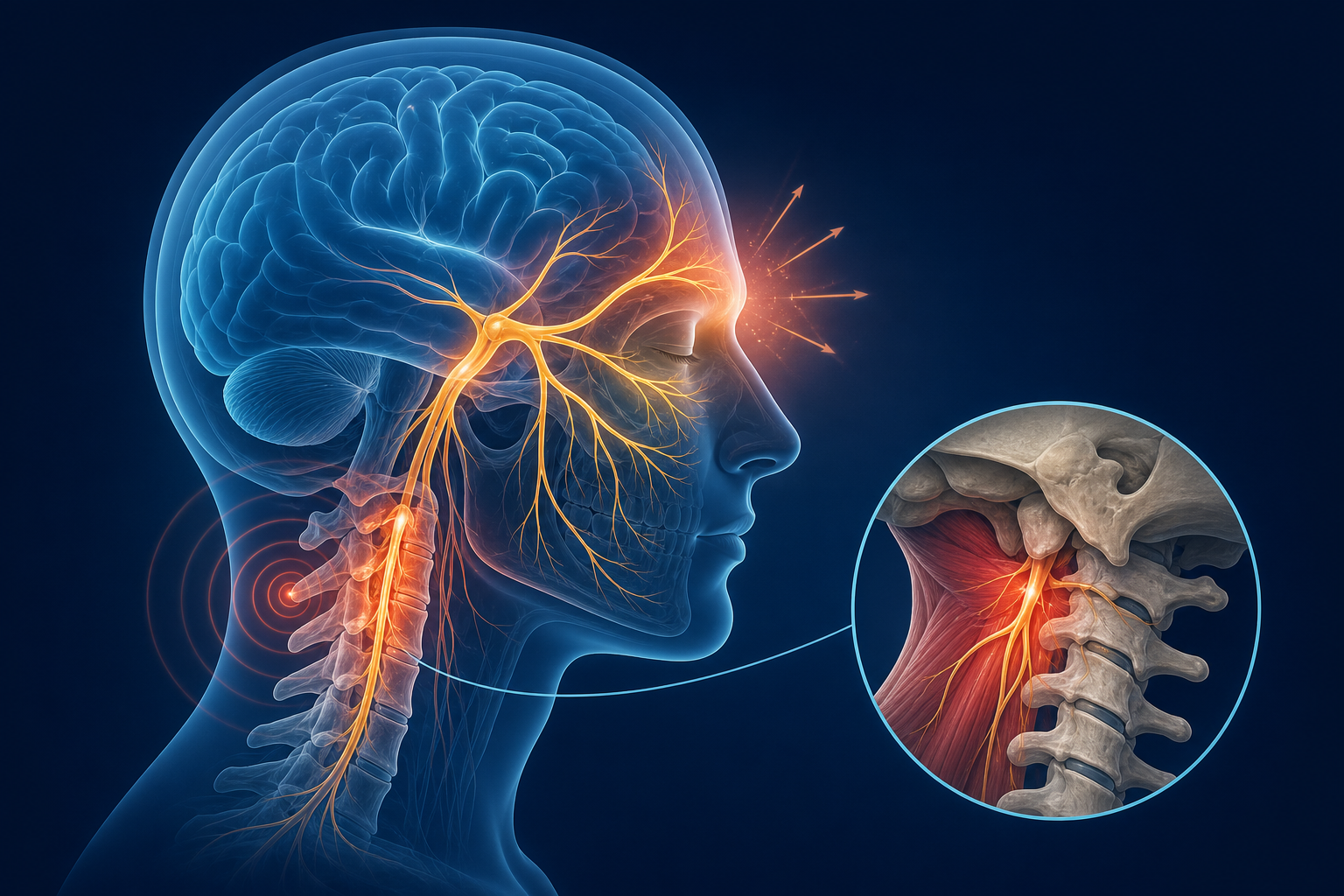
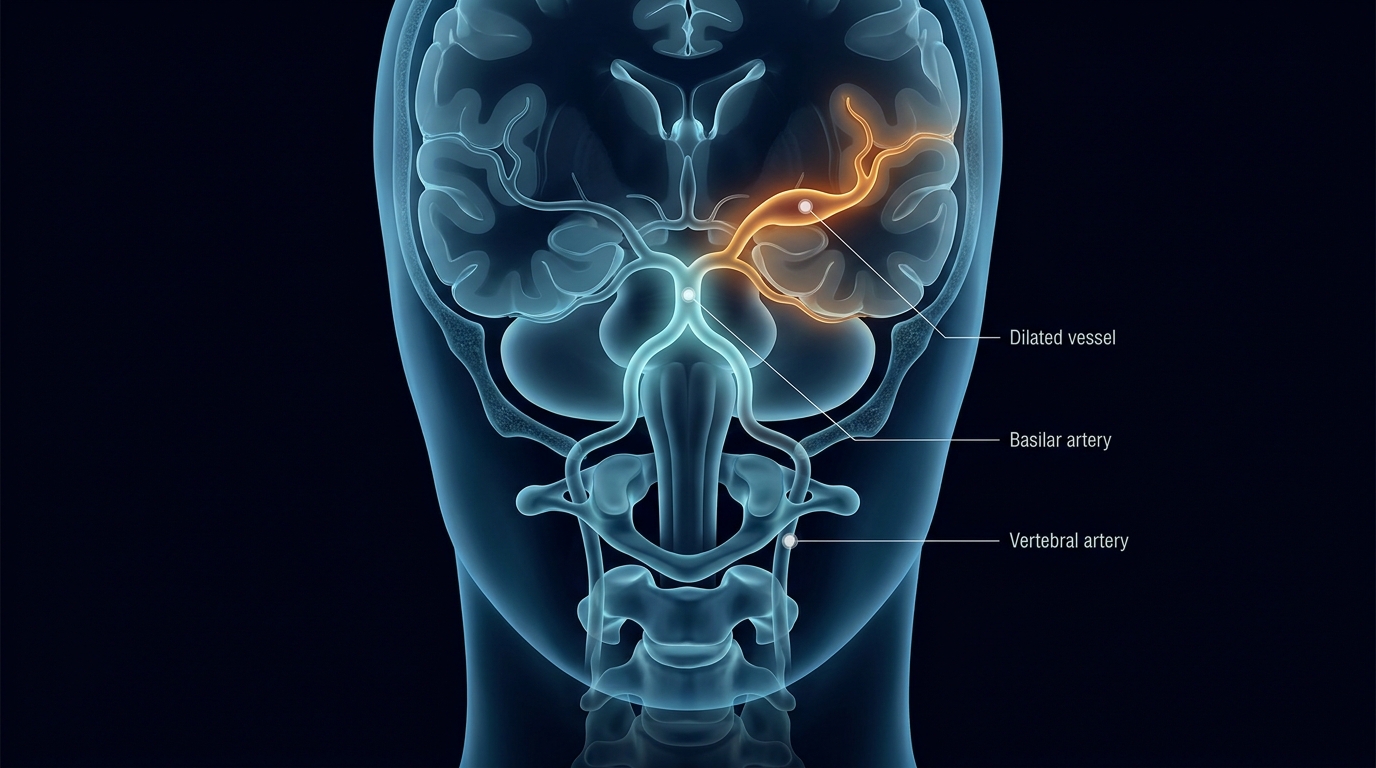
Your spine is designed to protect your spinal cord. Your spinal cord carries signals to and from your brain. When the top bone in your neck (atlas) is misaligned, this can create pressure within your spinal cord at the base of your neck. This can affect signals going to and from your brainstem, potentially leading to Meniere's symptoms.  Blair technique is a specific chiropractic approach that detects and corrects atlas misalignments. Through specific realignment of the atlas, the pressure within the spinal cord is reduced. The brainstem is able to send and receive messages without distortion. This may lead to a reduction of Meniere's symptoms.

Burcon published a study on 149 Meniere patients who received specific atlas corrections. 136 of the 149 patients experienced a significant reduction in their Meniere's symptoms and were able to conduct their normal daily activities. Vertigo and nausea were the most significant symptom reduction. It is clear. Meniere's Disease is a disease that is caused by upper neck trauma.  If you suffer do yourself a favor and find an upper cervical chiropractor in our area.
Medical Disclaimer: This article is for informational purposes only and does not constitute medical advice, diagnosis, or treatment. Always consult a qualified healthcare provider for personalized medical guidance. If you are experiencing a medical emergency, call 911 or your local emergency number immediately.

Common Questions

Can chiropractic care help with Meniere’s disease?
Some patients explore upper cervical chiropractic care as a supportive option for Meniere’s symptoms, especially when neck alignment or prior neck trauma may be a concern. Evidence is still limited, so patients should also work with a medical clinician for diagnosis, hearing evaluation, and treatment planning.
What are the main symptoms of Meniere’s disease?
Meniere’s disease commonly involves episodes of vertigo, ringing in the ear, and hearing loss, often affecting lower frequencies. Some people also experience nausea, ear fullness, or balance problems during attacks.
What is upper cervical chiropractic care?
Upper cervical chiropractic care focuses on the upper neck, including the atlas vertebra near the base of the skull. Techniques such as Blair technique are designed to evaluate and address alignment in this area using specific chiropractic adjustments.
Does reducing sodium help Meniere’s symptoms?
Many medical treatment plans for Meniere’s disease include reducing sodium because salt intake may affect inner ear fluid balance in some patients. A clinician can help determine whether diet changes are appropriate for your situation.
Should I see a doctor before trying chiropractic care for vertigo?
Yes. Vertigo can have many causes, including inner ear disorders, neurologic conditions, medication effects, and other medical issues, so a proper evaluation is important before starting any new care approach.

Sources

  1. National Institute on Deafness and Other Communication Disorders — National Institute on Deafness and Other Communication Disorders
  2. Mayo Clinic — Mayo Clinic
  3. National Center for Complementary and Integrative Health — National Center for Complementary and Integrative Health
  4. American Academy of Otolaryngology-Head and Neck Surgery Foundation — American Academy of Otolaryngology-Head and Neck Surgery Foundation

We use first-party cookies to run this site and understand how patients find us. Privacy