Whether a nagging lower back has finally worn down your patience or a car accident sent you looking for answers, typing chiropractic near me into a search bar is often where recovery begins. The challenge is knowing what comes next — how to evaluate your options, what a chiropractor actually does, and whether this type of care fits your situation. This guide covers all of it, plainly and honestly.
What Chiropractors Do — and Why It Matters for Your Search
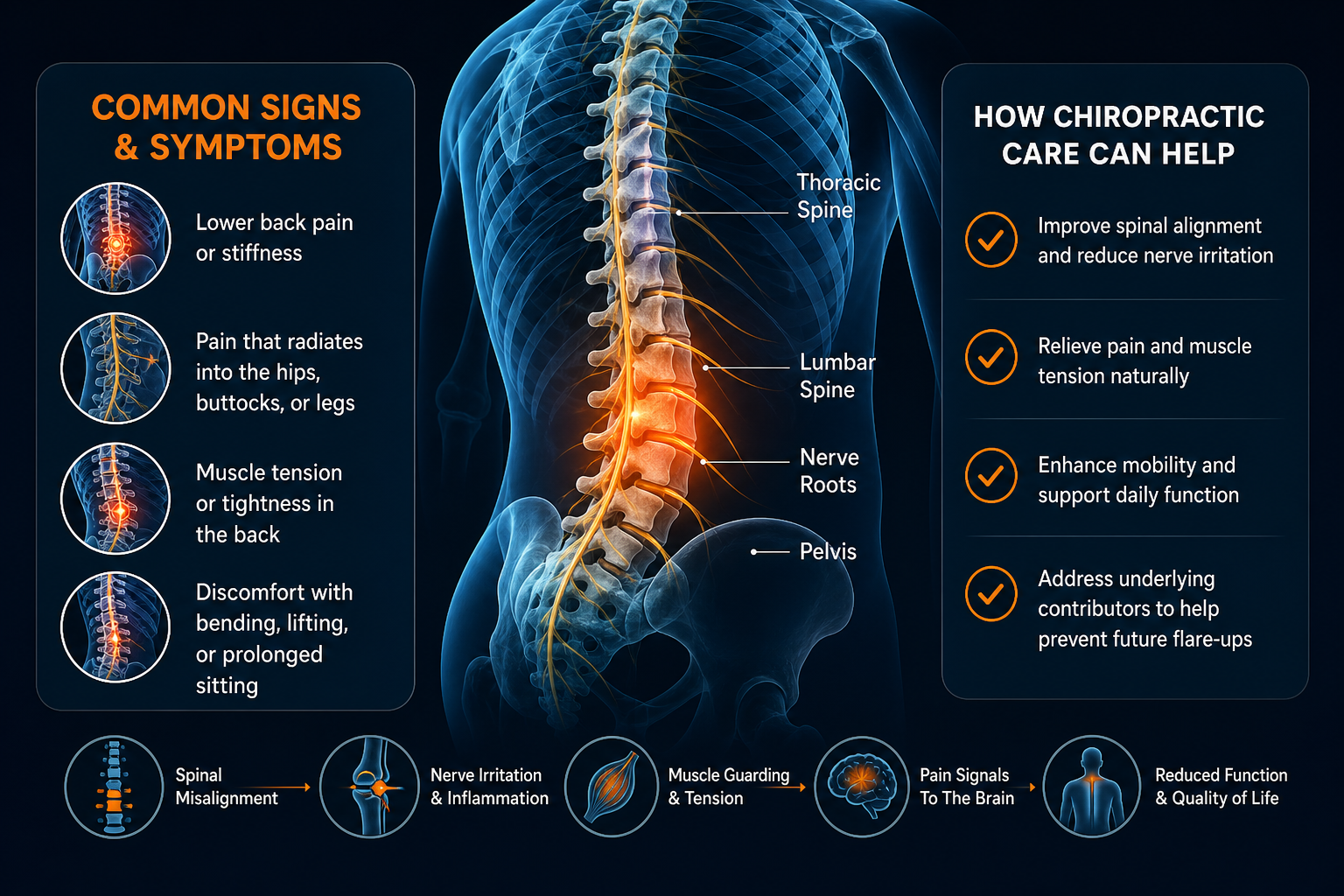
Chiropractors are licensed healthcare providers who specialize in diagnosing and treating musculoskeletal conditions, with particular focus on the spine. Their primary tool is the chiropractic adjustment — a controlled, precise force applied to a joint to improve its range of motion and reduce nerve irritation. Beyond adjustments, most modern chiropractic practices also incorporate soft-tissue therapies, rehabilitative exercises, ergonomic coaching, and co-management with other providers when a patient's needs call for it.
Understanding that range of services helps you search more effectively. A chiropractor who works extensively with car accident injury patients will likely have a different intake process and documentation focus than one whose practice centers on wellness and preventive care. Knowing what you need narrows the field quickly.
How to Find a Good Chiropractor Near Me
Proximity matters — especially when you are in pain and driving is uncomfortable — but distance should not be the only filter. Here is a practical framework for evaluating local options.
Verify Licensure and Credentials
Every practicing chiropractor in the United States must hold a Doctor of Chiropractic (DC) degree from an accredited institution and maintain a current state license. Board certification in a specialty area — such as orthopedics, neurology, or sports rehabilitation — is an additional credential some chiropractors earn and may signal deeper expertise for specific conditions. You can confirm licensure through your state's chiropractic licensing board.
Match the Chiropractor to Your Condition
Not every chiropractor treats every condition with equal depth. If your concern is a herniated disc, look for a provider experienced with disc-related complaints and familiar with imaging interpretation. If you were recently in a collision, a chiropractor who routinely works with personal-injury cases will understand the documentation needs that often accompany that situation. Search chiropractors by specialty and location on Medximity to filter for providers whose stated focus matches your needs.
Read Reviews With a Critical Eye
Patient reviews offer real signal when you read them carefully. Look for comments that describe the provider's communication style, how thoroughly they explained the treatment plan, and whether the patient felt heard. Be cautious of practices with exclusively five-star reviews that all sound identical, and equally cautious of isolated negative reviews that describe a single administrative issue. Patterns across many reviews are more meaningful than outliers in either direction.
Confirm They Are Accepting New Patients
Many high-quality practices develop waitlists. When you find a best-rated chiropractor accepting new patients near me, confirm availability before investing time in a deeper evaluation. Medximity provider profiles indicate new-patient availability so you are not chasing dead ends.
What to Expect at Your First Chiropractic Appointment
First visits are longer than follow-up appointments — typically 45 to 75 minutes — because the chiropractor needs a complete clinical picture before recommending anything. Here is the general sequence.
Health History and Intake
You will complete forms covering your current complaint, prior injuries, surgeries, medications, and general health history. Be thorough. Information that seems unrelated — a prior ankle sprain, for example — can influence how a chiropractor assesses your gait and spinal mechanics.
Physical and Orthopedic Examination
The provider will assess posture, range of motion, and neurological function. Orthopedic and neurological tests help identify which structures are involved and whether a referral for imaging or specialist evaluation is appropriate. A good chiropractor does not treat every patient the same way; the exam informs a plan that fits your specific presentation.
Discussion of Findings and Care Plan
Before any hands-on treatment begins, the chiropractor should explain what they found, what they recommend, how long they expect care to take, and what measurable progress looks like. If you leave the first appointment without understanding these points, that is a signal to ask more questions — or to seek a second opinion.
Initial Treatment (If Appropriate That Day)
Some chiropractors begin gentle treatment at the first visit; others prefer to review findings first and start at the second appointment. Either approach can be appropriate depending on the severity of your condition and the provider's clinical judgment.
Conditions Chiropractic Care May Help
Local Chiropractor for Lower Back Pain
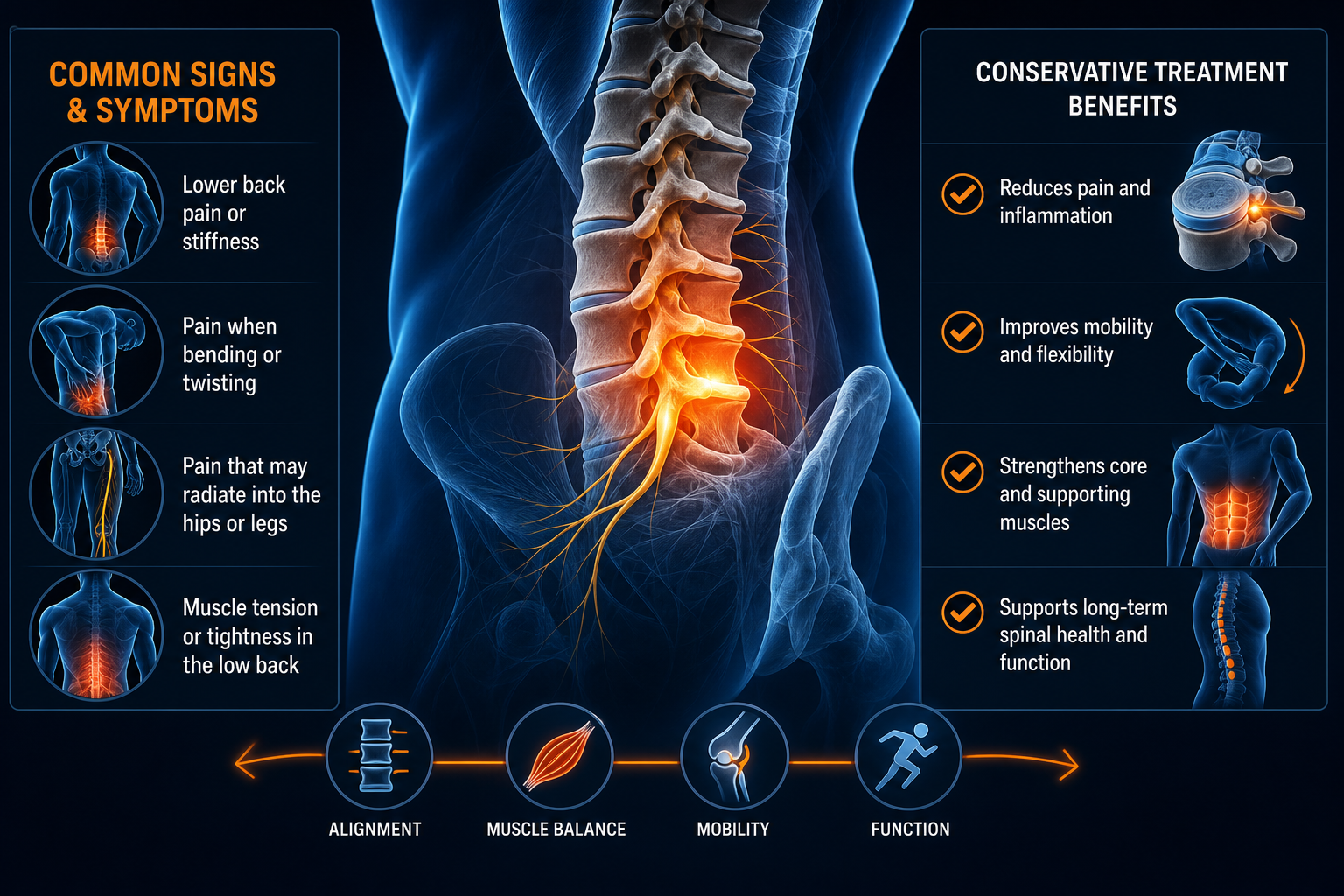
Lower back pain is the most common reason patients seek chiropractic care, and a substantial body of research suggests that spinal manipulation is associated with meaningful short-term improvement in pain and function for many patients with mechanical low back complaints. Chiropractic is frequently included in clinical guidelines as a first-line conservative option before imaging or invasive procedures are considered.
Is Chiropractic Care Safe for Neck Pain?
Cervical (neck) manipulation is a more nuanced topic. For most patients with mechanical neck pain, chiropractic care is considered reasonably safe when performed by a trained provider who has screened appropriately for contraindications. Serious adverse events are rare, though they are part of an honest informed-consent conversation you should have with any provider before cervical treatment. If you have vascular risk factors, instability concerns, or prior cervical surgery, make sure the chiropractor is aware before treatment begins.
Can Chiropractic Care Help With Headaches and Migraines?
Tension-type headaches and cervicogenic headaches — those originating from structures in the neck — are among the headache presentations most studied in chiropractic research. Some patients report meaningful reduction in headache frequency and intensity with cervical manipulation and soft-tissue therapy. Migraine is more complex; chiropractic may play a supportive role for some patients, particularly when cervical tension is a trigger, but it is not a standalone treatment for all migraine types. A thorough intake should capture your full headache history so the provider can advise whether chiropractic fits your picture.
Natural Treatment for Herniated Disc Without Surgery
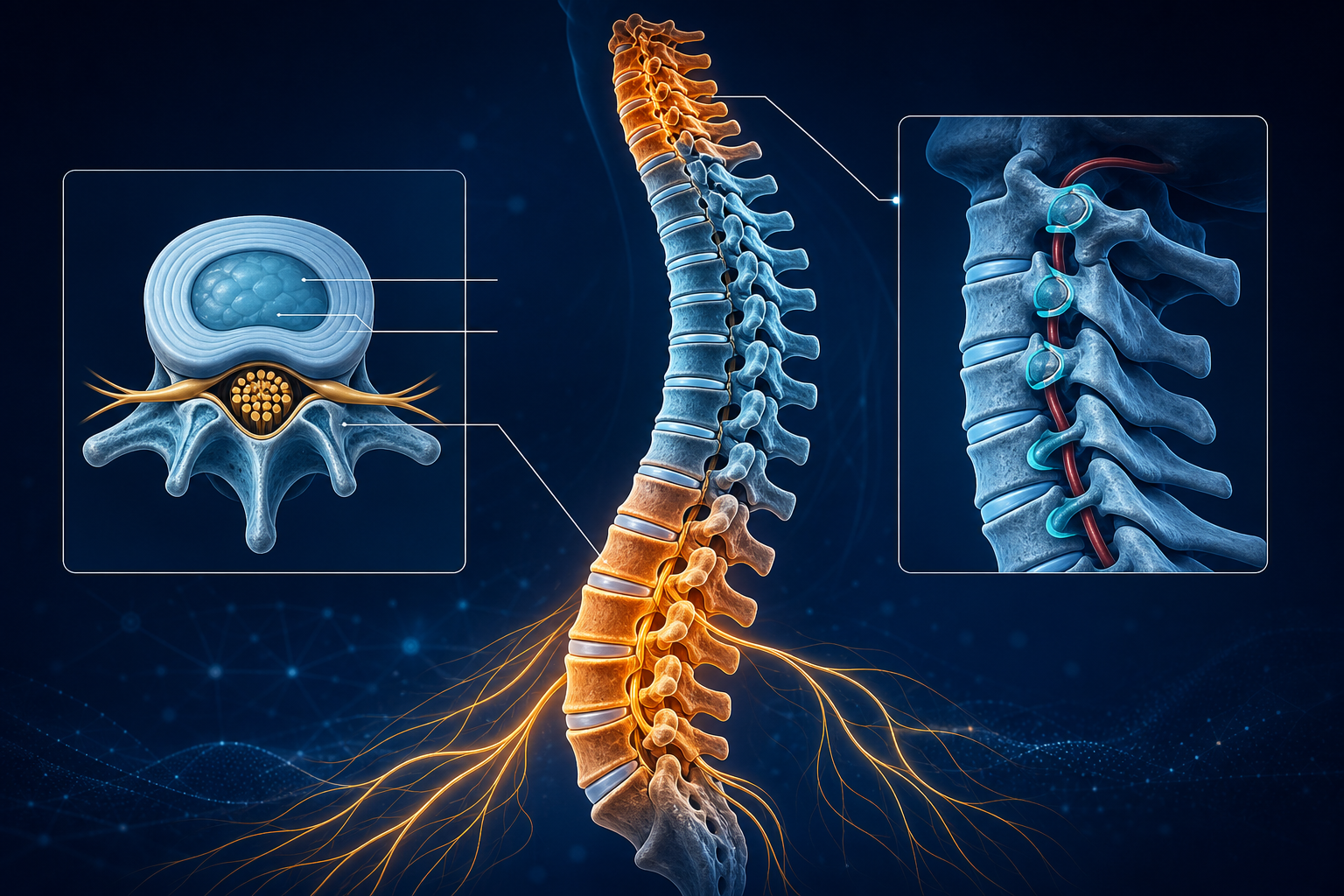
Many patients with disc herniations improve with conservative care, and chiropractic is one component of that conservative pathway. Techniques such as flexion-distraction, specific low-force adjusting methods, and therapeutic exercise programs may help reduce disc-related pain and improve function in appropriate candidates. Conservative care is typically recommended before surgical consultation for most disc presentations, though the right approach depends on the severity of your symptoms and findings — something your provider and, when needed, a spine specialist should evaluate together.
Chiropractor for Car Accident Injury Near Me
Whiplash and soft-tissue injuries from motor vehicle collisions respond well to prompt conservative care in many cases. A chiropractor experienced with whiplash and car accident injuries will conduct a thorough evaluation, document findings carefully, and coordinate with other providers — including your primary care physician and, if applicable, your legal team — as needed. Timely care also matters for documentation purposes if a personal-injury claim is involved; gaps in treatment can complicate that process.
Chiropractic Adjustment vs. Physical Therapy: Which Is Better?
This is one of the most common questions patients ask, and the honest answer is that it depends on the clinical picture. Chiropractic and physical therapy overlap significantly — both use manual therapy, both incorporate therapeutic exercise, and both aim to restore function — but their training emphasis and approach differ. Chiropractors typically have deeper training in spinal manipulation; physical therapists often have broader training in post-surgical rehabilitation and functional movement retraining.
For many conditions, especially spinal complaints, the two professions work well together. Some patients benefit from chiropractic adjustment to restore joint mobility and then transition to physical therapy for strength and stability work. Others may do well with one or the other. Read our full comparison of chiropractic and physical therapy to help think through which starting point fits your situation, and discuss the question with any provider you consult.
How Long Does Chiropractic Treatment Take to Work?
There is no single timeline, but general patterns are useful to understand. Acute conditions — a recent strain or a post-accident flare — often show noticeable improvement within four to eight visits when the underlying cause is mechanical and treatable. Chronic conditions that have been present for months or years typically require a longer initial course of care, and some patients choose ongoing maintenance care after their primary complaint resolves. A provider who cannot give you any sense of expected progress by the third or fourth visit — or who recommends an open-ended plan with no defined checkpoints — is worth questioning.
How Chiropractic Fits Into an Injury Recovery Plan
Chiropractic rarely operates in isolation in a true injury recovery context. A well-coordinated plan may involve your primary care provider for overall health management, a chiropractor for spinal and joint care, a physical therapist for functional rehabilitation, and — in personal-injury situations — documentation that serves both your clinical and legal needs. Learn how to build an injury recovery care team that addresses all dimensions of your recovery.
If you are ready to start looking, find a chiropractor near you on Medximity and filter by condition, location, and availability to identify providers who fit your specific situation.
Questions to Ask a Chiropractor Before Your First Visit
- What experience do you have treating my specific condition?
- What does your typical care plan look like for a patient presenting like me?
- How will we measure whether treatment is working?
- At what point would you refer me to another provider or recommend imaging?
- Do you co-manage with physical therapists, primary care, or specialists?
- What are the realistic risks of the treatment you are recommending?
- What do you expect me to do between visits to support my recovery?
A chiropractor who welcomes these questions and answers them clearly is a chiropractor worth considering. One who deflects or oversimplifies is one to evaluate more carefully.
Frequently Asked Questions About Finding a Chiropractor Near Me
How do I find a reputable chiropractor near me who is accepting new patients?
Start by using a provider directory — such as Medximity — that lets you filter by location, specialty, and new-patient availability. Confirm the chiropractor's licensure through your state board, read patient reviews for consistent themes, and call the office to verify they can schedule you promptly. Matching the provider's stated focus to your specific condition is more important than choosing the closest option.
Is chiropractic care safe?
For most healthy adults with mechanical musculoskeletal complaints, chiropractic care is considered a safe conservative treatment option when provided by a licensed, trained practitioner who has performed appropriate screening. As with any healthcare intervention, there are contraindications — certain bone conditions, vascular concerns, and prior surgeries among them — which is why a thorough intake and examination precede treatment. Discuss your full health history with any provider before care begins.
What should I bring to my first chiropractic appointment?
Bring a photo ID, your insurance card, a list of current medications and supplements, any relevant imaging (X-rays or MRI reports), and documentation of prior injuries or surgeries. If your visit is related to a car accident or workplace injury, bring any incident reports, claim numbers, or attorney contact information as well. Arriving with this information helps the chiropractor complete a thorough evaluation without gaps.
How many chiropractic visits will I need?
Visit frequency and duration vary considerably based on diagnosis, severity, and individual response to care. Acute mechanical conditions often show improvement within four to eight visits; chronic or complex presentations typically require a longer initial course. Your chiropractor should establish measurable benchmarks and reassess your progress regularly rather than recommending indefinite open-ended care without clear goals.
Can a chiropractor help after a car accident even if I do not feel hurt right away?
Soft-tissue injuries from collisions — particularly whiplash-type injuries — frequently do not produce their full symptom picture until 24 to 72 hours after the event, sometimes longer. Seeking evaluation promptly after an accident, even before significant pain develops, allows a provider to document baseline findings, identify injuries that may worsen without intervention, and establish a care record that may be relevant if a personal-injury claim follows. Do not wait for severe pain to appear before getting checked.
Does insurance cover chiropractic care?
Many health insurance plans — including Medicare and most major commercial carriers — cover chiropractic care for certain diagnoses, typically with visit limits and copays. Auto insurance personal-injury protection (PIP) coverage often covers chiropractic following a car accident. Verify your specific benefits with your insurer before your first visit, and confirm that the provider you choose is in-network if cost is a priority.