If you are searching for book back in motion fountain inn, you are probably looking for a local appointment for back pain, neck pain, mobility limits, or recovery after an injury. A physical therapy visit can help identify movement patterns, strength deficits, flexibility limitations, and daily habits that may be contributing to symptoms. If you are comparing options near Fountain Inn, Medximity can help you review local care choices and find providers who fit your needs.
Back and neck pain are common reasons people look for conservative care. In many cases, physical therapy, rehabilitation exercises, posture coaching, manual therapy, and activity modification may help improve movement and reduce irritation over time. This article explains how to prepare for a Back in Motion Fountain Inn appointment or a similar physical therapy visit, when back pain may be serious, and what patients can generally expect from rehab.
To compare local options, you can start with Medximity’s physical therapy near Fountain Inn provider search.
What Does It Mean to Book Back in Motion Fountain Inn?
When patients search for book Back in Motion Fountain Inn, they are usually trying to schedule a visit with a physical therapy or rehabilitation provider in the Fountain Inn area. Booking a visit typically means choosing a location, selecting an appointment time, sharing basic contact information, and describing the main reason you are seeking care.
Because appointment systems and availability can vary by provider, Medximity does not assume details about a specific clinic’s schedule, services, or insurance participation unless those details are shown on that provider’s profile. If you are looking for a particular clinic, review the profile information carefully and contact the office directly for the most accurate scheduling, referral, and insurance details.
If you are still deciding where to go, browsing a directory can help you compare local providers, specialties, and care settings. You can also review Medximity’s physical therapy treatment guide to better understand how PT is commonly used for pain, injury recovery, and movement retraining.
When Should You See a Provider for Back or Neck Pain?
Many episodes of back or neck discomfort improve with time, gentle movement, and changes in activity. However, it may be helpful to see a qualified provider when pain is not improving, keeps returning, limits walking or work, affects sleep, or makes normal activities difficult. A provider can evaluate how you move, screen for signs that need medical attention, and recommend an individualized plan.
Back Pain That May Benefit From Physical Therapy
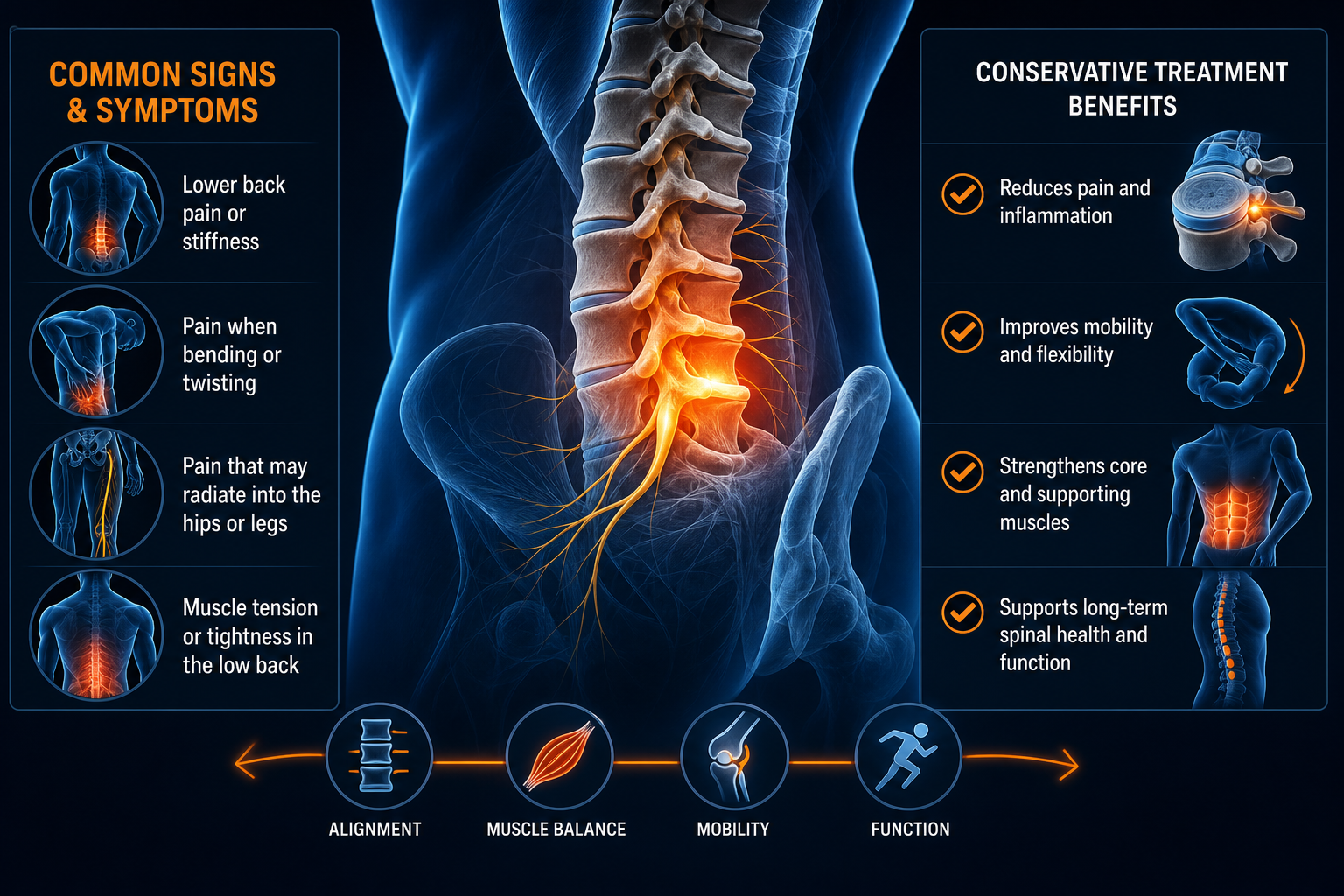
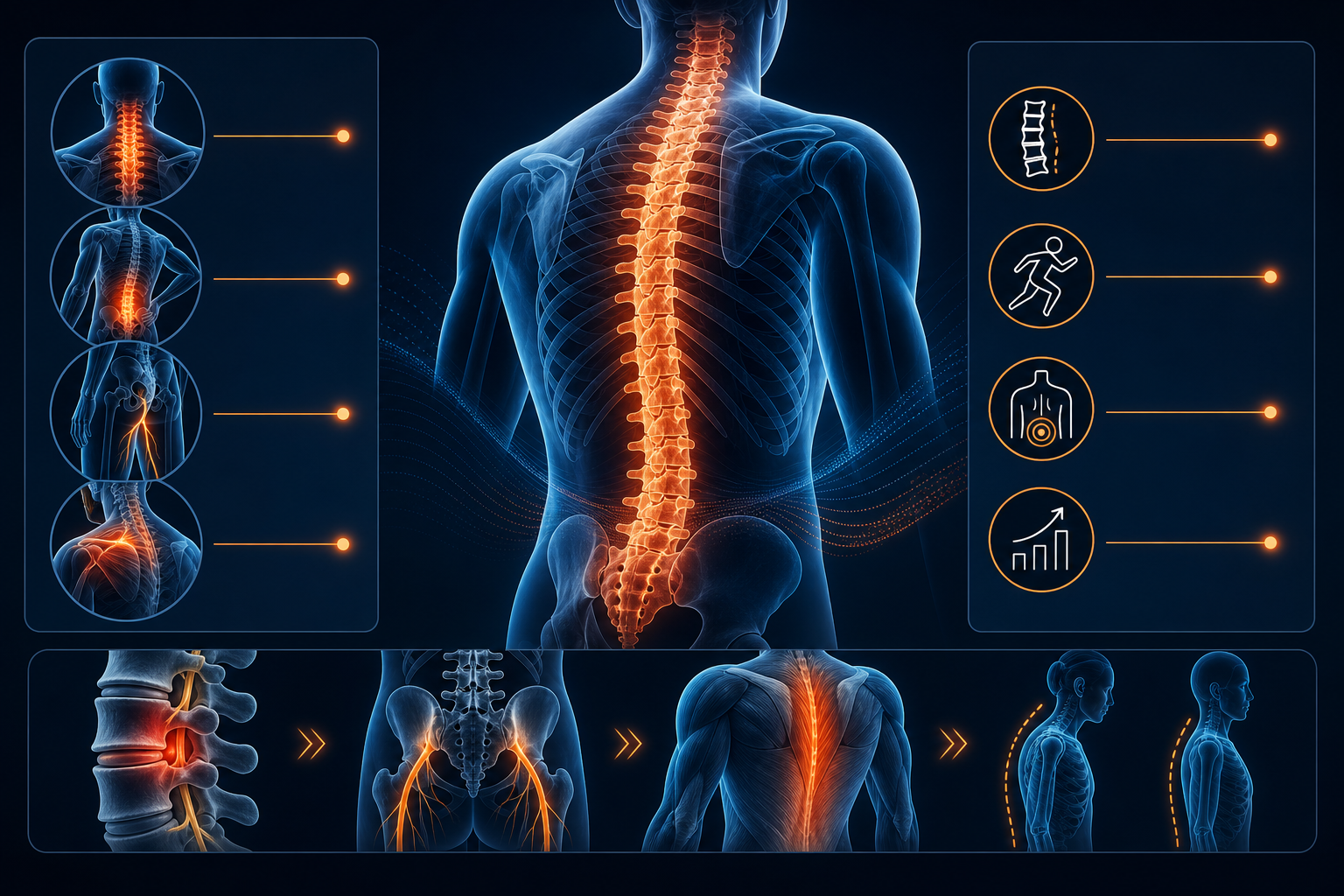
Physical therapy may be considered for several common back-related concerns, including stiffness after sitting, pain with bending or lifting, lower back pain when walking, reduced core or hip strength, or difficulty returning to exercise. A physical therapist may assess range of motion, muscle performance, balance, gait, and activity tolerance.
If your main concern is back pain treatment Fountain Inn, a conservative care plan may include targeted exercise, stretching, manual therapy, education on lifting mechanics, and gradual return to daily activities. These approaches do not guarantee a specific outcome, but they may help many patients move more comfortably and confidently.
For more background, see Medximity’s back pain condition guide.
Neck Pain When Turning Your Head
Neck pain when turning head can happen for many reasons, including muscle irritation, joint stiffness, posture-related strain, or symptoms following a sudden movement. A physical therapist may look at neck mobility, shoulder mechanics, upper back motion, work posture, and the way symptoms respond to movement.
Care may include gentle mobility work, strengthening for the deep neck and shoulder muscles, ergonomic guidance, and education about pacing activities. If symptoms include neurological changes, worsening pain, or other concerning signs, a provider may recommend medical evaluation before or alongside therapy.
You can learn more in Medximity’s neck pain condition guide.
When Is Back Pain Serious?
Most back pain is not an emergency, but some symptoms deserve prompt medical attention. Seek urgent medical evaluation if back pain is associated with new loss of bowel or bladder control, numbness in the groin or saddle area, significant weakness, fever, unexplained weight loss, major trauma, pain that is severe and worsening, or symptoms that travel with progressive numbness or weakness.
These symptoms do not automatically mean a specific condition is present, but they can indicate a need for timely evaluation. If you are unsure whether your symptoms are urgent, it is safer to contact a qualified healthcare professional for guidance based on your situation.
What to Expect at a Physical Therapy Appointment
A first physical therapy visit is usually a structured evaluation. The goal is to understand your symptoms, your movement, and your daily goals. For someone booking care for back or neck pain, the provider may ask when symptoms started, what makes them better or worse, whether pain travels into an arm or leg, and what activities you want to return to.
The Evaluation
Your provider may observe posture, walking, squatting, bending, reaching, or turning. They may test strength, flexibility, balance, joint mobility, and pain response to certain movements. This information helps guide a plan that is specific to your presentation rather than a one-size-fits-all routine.
The Treatment Plan
A care plan may include therapeutic exercise, mobility drills, manual therapy, neuromuscular re-education, balance training, home exercises, and practical coaching for work, sports, lifting, or household tasks. The plan may change as symptoms, strength, and tolerance improve.
What to Bring to Physical Therapy
If you are wondering what to bring to physical therapy, plan on comfortable clothing that allows movement, a photo ID, insurance information if applicable, referral paperwork if required, a list of medications and relevant medical history, and any imaging reports you have been asked to provide. You may also want to write down your top goals, such as walking farther, returning to the gym, lifting a child, or sitting through work with less discomfort.
For a more detailed checklist, read Medximity’s guide on what to bring to physical therapy.
How Long Does Back Rehab Take?
The answer to how long does back rehab take depends on several factors, including the cause of symptoms, how long pain has been present, baseline strength, job demands, overall health, sleep, stress, and consistency with home exercises. Some people notice early improvements within a few visits, while others need a longer plan to rebuild strength, mobility, and confidence.
For a mild strain or recent flare-up, therapy may focus on calming symptoms and restoring normal activity. For longer-lasting pain, recurring episodes, or symptoms connected to deconditioning or work demands, rehab may require a more progressive plan over several weeks or longer. A provider can give a more realistic timeline after evaluating your movement and response to treatment.
Natural Treatment for Back Pain and Care Without Surgery
Many patients search for natural treatment for back pain because they want options that support healing and movement without relying only on medication or invasive care. Conservative treatment may include physical therapy, guided exercise, stretching, manual therapy, heat or ice strategies, posture changes, walking programs, sleep positioning, and ergonomic adjustments.
Back pain treatment without surgery is often appropriate as an initial approach for many musculoskeletal conditions, depending on the person’s symptoms and medical history. Conservative care may help improve strength, mobility, and function, but it should be matched to the individual. If symptoms suggest a more complex condition, a provider may coordinate with other healthcare professionals for additional evaluation.
Physical Therapy vs Chiropractic Care
Patients comparing physical therapy vs chiropractic care often want to know which option is better for back or neck pain. The answer depends on the individual, the diagnosis, the provider’s training, and the type of care offered.
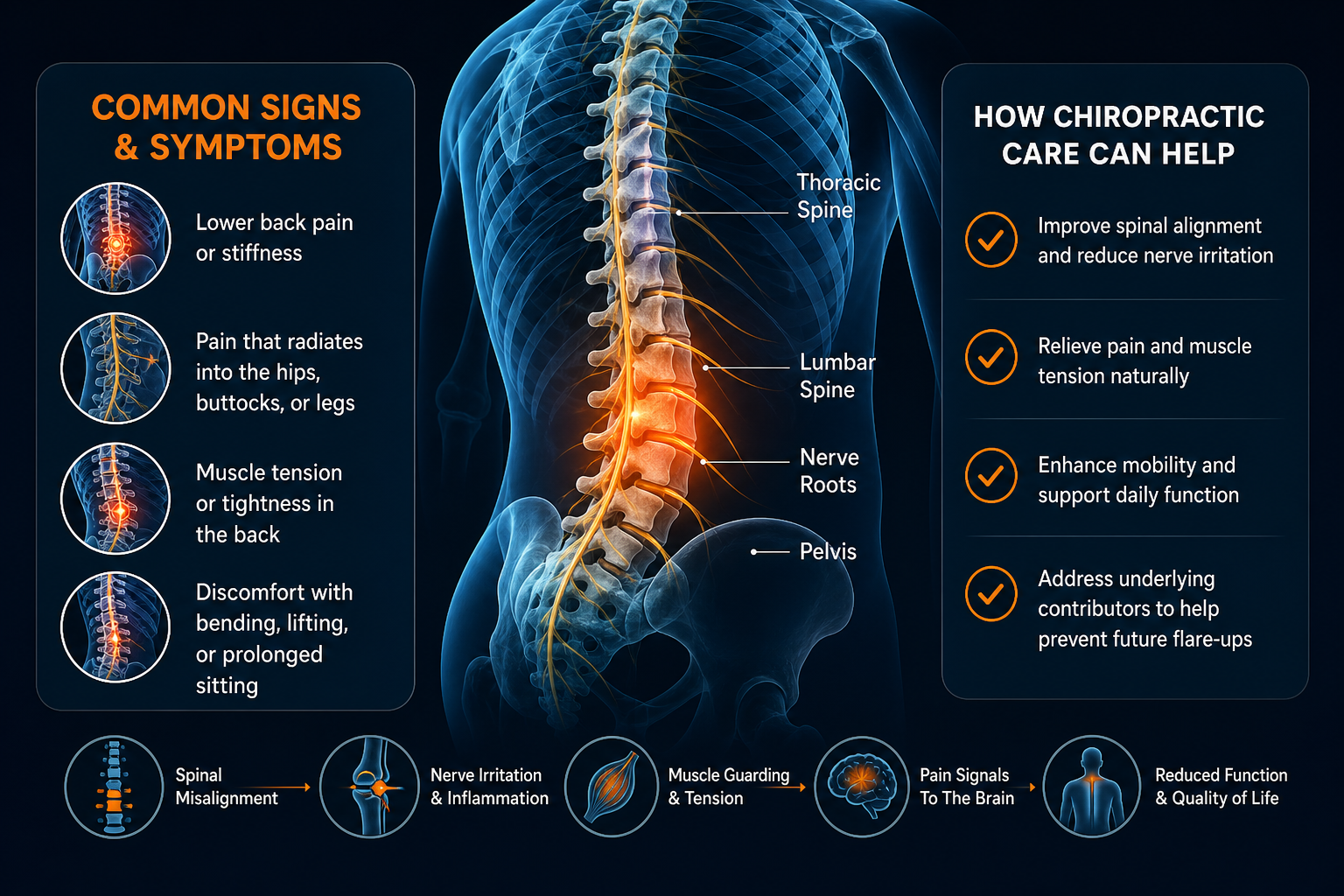
Physical therapy commonly emphasizes movement assessment, exercise progression, functional strengthening, mobility, balance, and return-to-activity planning. Chiropractic care often focuses on spinal and joint mobility, manual adjustments or mobilization, soft tissue work, and conservative management of neuromusculoskeletal pain. Some patients may benefit from one approach, while others may use both as part of a coordinated plan when appropriate.
If you want to compare local conservative care options, you can search Medximity for chiropractors near Fountain Inn or read the chiropractic care overview.
How to Prepare Before You Book
Before scheduling, take a few minutes to clarify your goals and gather practical information. This can make the first visit more productive and help the provider understand what matters most to you.
Write Down Your Symptoms
Note where the pain is, when it started, what movements aggravate it, and what helps. For example, lower back pain when walking may point the provider toward gait, hip mobility, spinal tolerance, or endurance factors that deserve evaluation. Neck pain when turning your head may lead to assessment of neck, upper back, shoulder, and workstation mechanics.
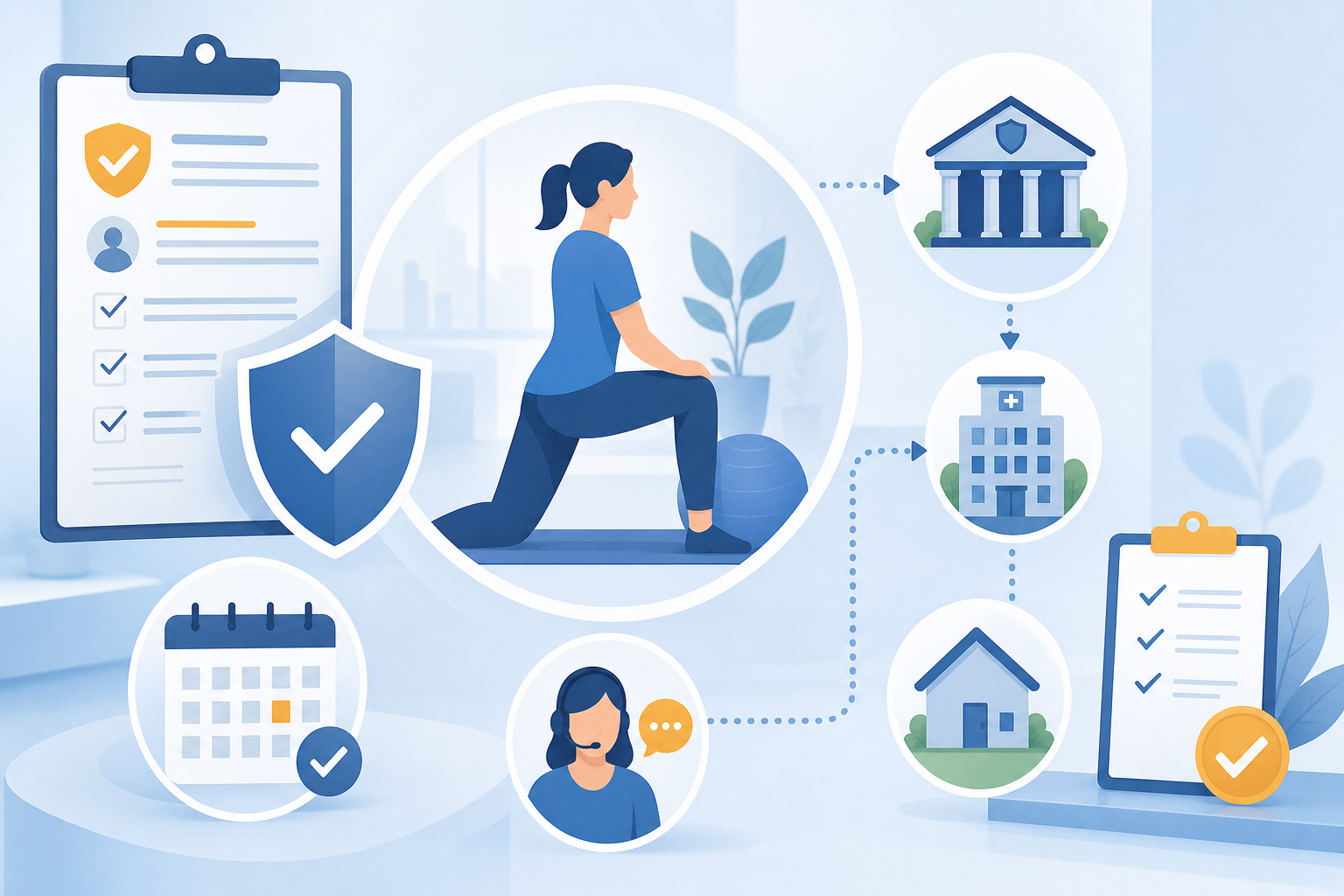
Check Scheduling and Insurance Details
Some clinics allow direct scheduling, while others may require a referral depending on state rules, insurance plan requirements, or clinic policy. Because these details vary, contact the office or review the provider profile before assuming what is needed.
Choose a Provider Who Fits Your Needs
Look for a provider who treats your type of concern, offers appointments at times you can attend consistently, and communicates in a way that helps you understand your plan. Consistency often matters in rehabilitation because progress usually comes from repeated, well-dosed activity over time.
Booking Back or Neck Care Near Fountain Inn
If you are ready to book Back in Motion Fountain Inn or compare other local options, Medximity can help you start with a focused provider search. Review available profiles, confirm details directly with the clinic, and choose a provider who can evaluate your specific symptoms and goals.
Back and neck pain can be frustrating, but many people improve with a thoughtful conservative plan. A qualified provider can help determine what is appropriate for you, explain what to expect, and adjust care as your movement and tolerance change.
Frequently Asked Questions
How do I book Back in Motion Fountain Inn?
If you are trying to book Back in Motion Fountain Inn, start by reviewing the provider’s profile or contacting the clinic directly for current appointment availability, insurance information, and referral requirements. If you are still comparing options, Medximity’s Fountain Inn physical therapy search can help you review nearby providers.
Can physical therapy help lower back pain when walking?
Physical therapy may help some people with lower back pain when walking by addressing strength, mobility, posture, gait mechanics, and activity tolerance. The right plan depends on the cause of symptoms and should be based on an individual evaluation.
What should I bring to my first physical therapy visit?
Bring comfortable clothing, identification, insurance information if applicable, referral paperwork if required, relevant medical history, and any imaging reports the clinic requested. It also helps to bring a short list of your goals and the activities that are most limited.
How long does back rehab take?
Back rehab can vary from a few visits to a longer plan over several weeks or more. Timing depends on symptom severity, how long the issue has been present, general health, job or activity demands, and consistency with the home program.
When is back pain serious?
Back pain may need urgent medical evaluation if it occurs with new bowel or bladder changes, saddle numbness, fever, major trauma, unexplained weight loss, severe worsening pain, or progressive weakness or numbness. A healthcare professional can help determine the right next step for your situation.
Is physical therapy or chiropractic care better for back pain?
Neither option is automatically better for every person. Physical therapy often focuses on movement, exercise, and functional rehabilitation, while chiropractic care often emphasizes spinal mobility and manual care. The best choice depends on your symptoms, goals, medical history, and provider recommendations.
This article is for educational purposes only and is not a substitute for professional medical advice, diagnosis, or treatment. Always consult a qualified healthcare provider about your specific condition. If you may be experiencing a medical emergency, call 911 or seek emergency care immediately.