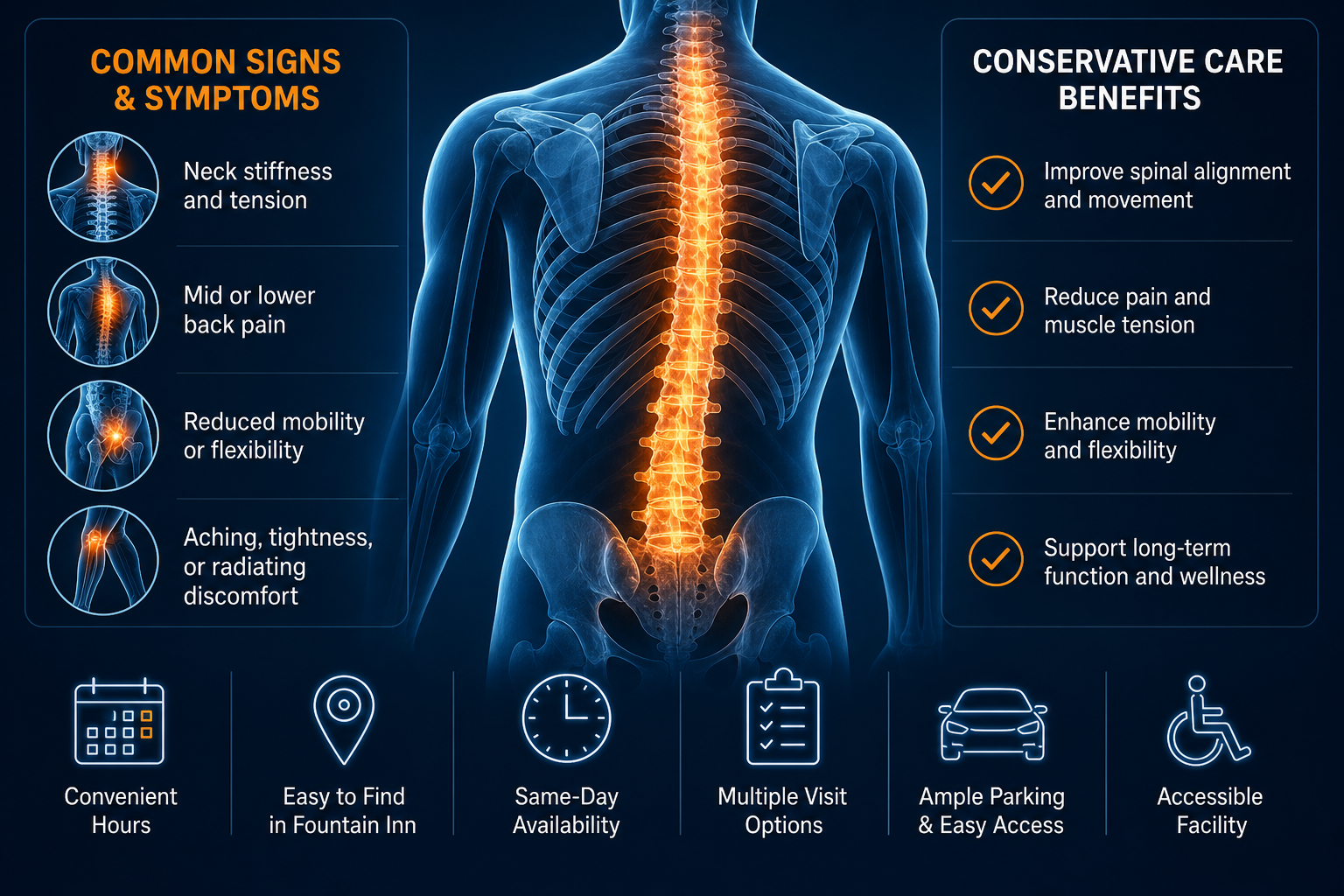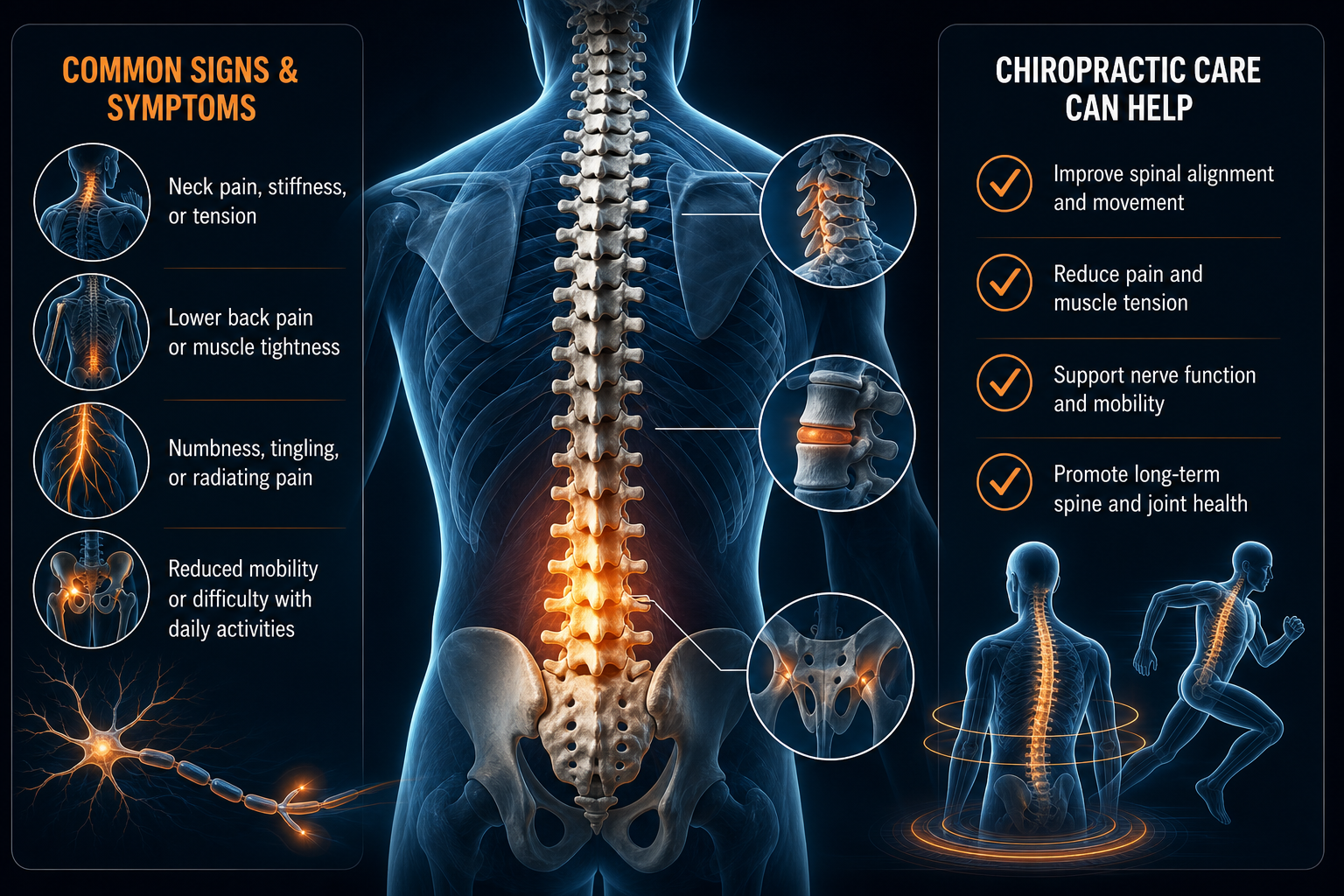
If your search started with back in motion fountain inn chiropractor, you are likely looking for a local provider who can help you understand back pain, neck pain, stiffness, or movement problems without jumping straight to invasive options. Chiropractic care focuses on the relationship between the spine, joints, muscles, nerves, and daily movement. For many patients, it may be one part of a conservative plan that includes hands-on care, exercise, posture changes, and education.
This guide is written for people comparing options such as a chiropractor near me Fountain Inn or trying to decide what the best chiropractor in Fountain Inn SC means for their situation. The right choice is not just about convenience. It is about finding a licensed provider who listens, explains findings clearly, screens for warning signs, and builds a care plan around your specific symptoms, health history, and goals.
You can start by reviewing local options through the Medximity chiropractor search for Fountain Inn, SC.
What Does a Chiropractor Treat?
Many patients first visit a chiropractor for back pain, but chiropractic care may address a broader range of musculoskeletal concerns. In plain terms, chiropractors evaluate how joints, muscles, and movement patterns may be contributing to pain, stiffness, or limited function. They do not diagnose every medical condition, and they should refer you for additional evaluation when symptoms suggest a problem outside the scope of conservative care.
Common reasons people look for chiropractic care include lower back pain, neck pain, headaches associated with neck tension, mid-back stiffness, sciatica-like leg symptoms, shoulder or hip mobility problems, and pain related to posture, lifting, repetitive work, or prolonged sitting. If you want a broader overview, Medximity has a related guide on what chiropractors may treat.
Lower back pain when bending over
Lower back pain when bending over can occur for many reasons, including muscle strain, irritated joints, disc-related sensitivity, hip mobility limits, or movement habits that overload the low back. A chiropractor may assess spinal motion, hip mobility, muscle guarding, nerve-related symptoms, and how you bend, lift, sit, and stand. Depending on the findings, care may include spinal manipulation or mobilization, soft-tissue work, guided stretching, core and hip exercises, and lifting modifications.
Back pain is common, but it should still be evaluated when it is persistent, worsening, recurring, or affecting work, sleep, or daily activity. Learn more in Medximity’s article on lower back pain when bending over.
Neck pain after a car accident
Neck pain after car accident chiropractor searches are common because symptoms may appear right away or develop over the next day or two. A sudden acceleration-deceleration force can irritate muscles, ligaments, joints, and nerves in the neck and upper back. Chiropractic evaluation may help determine whether conservative care is appropriate, but severe symptoms require prompt medical attention.
Seek urgent evaluation after a crash if you have severe or worsening pain, weakness, numbness, trouble walking, dizziness, confusion, vision changes, loss of consciousness, chest pain, or signs of fracture or neurologic injury. If symptoms are milder but not improving, a chiropractor may help assess movement restrictions and develop a gentle plan for restoring mobility. Medximity also covers neck pain after a car accident.
Can’t turn your neck after sleeping
If you can’t turn neck after sleeping chiropractor is the phrase you typed into search, you may be dealing with acute neck stiffness, sometimes called a crick in the neck. This can be associated with muscle spasm, joint irritation, sleeping position, pillow height, or a prior neck issue that flared overnight. A chiropractor may use gentle mobilization, soft-tissue techniques, range-of-motion exercises, and ergonomic guidance when appropriate.
Sudden neck stiffness should be taken seriously if it occurs with fever, severe headache, neurologic symptoms, recent trauma, or unusual illness symptoms. In those cases, contact a medical professional promptly rather than trying to stretch through it.
Chiropractic Treatment for Work Injury Concerns
Chiropractic treatment for work injury may be considered when pain is related to lifting, pushing, pulling, repetitive motion, prolonged sitting, awkward posture, or jobsite strain. A chiropractor may evaluate how the injury affects movement and may recommend conservative strategies such as activity modification, manual therapy, corrective exercise, and return-to-activity planning.
Work-related injuries can involve employer reporting rules, insurance procedures, and medical documentation requirements that vary by state and situation. From a healthcare standpoint, the priority is timely evaluation, clear documentation of symptoms and functional limits, and a plan that supports safe movement. For local care options, you can also browse chiropractors on Medximity.
Back Pain Treatment Without Surgery
Many people searching for chiropractic care are hoping to explore back pain treatment without surgery. Conservative care may be appropriate for many mechanical back pain patterns, especially when symptoms are not accompanied by serious warning signs. Chiropractic care may include spinal adjustment, mobilization, exercise instruction, posture coaching, soft-tissue therapy, and home-care strategies.
No conservative treatment can guarantee pain relief, and not every back problem is suitable for chiropractic care. However, many patients benefit from a structured plan that starts with less invasive approaches, tracks progress, and adjusts treatment based on response. Read more in Medximity’s guide to back pain treatment without surgery.
Chiropractor vs Physical Therapy for Back Pain
Patients often compare chiropractor vs physical therapy back pain options. Both can play a role in conservative musculoskeletal care, but their approach may differ. Chiropractors often emphasize spinal and joint mobility, manual therapy, and neuromusculoskeletal assessment. Physical therapists often emphasize therapeutic exercise, functional training, strength, balance, and rehabilitation after injury or surgery.
In practice, there can be overlap. Some chiropractors prescribe exercise and rehabilitation, and some physical therapists use manual therapy. The better choice depends on your diagnosis, symptoms, preferences, provider training, and whether you need mobility-focused care, strengthening-focused rehabilitation, or a combination. Medximity explains the comparison further in chiropractor vs physical therapy for back pain.
When Should You See a Chiropractor in Fountain Inn?
Consider scheduling an evaluation with a Fountain Inn chiropractor when pain or stiffness lasts more than a few days, keeps returning, limits movement, interferes with sleep, affects work, or makes normal activities difficult. You may also consider care after a minor strain, a posture-related flare-up, or a car accident when symptoms are not severe but are not resolving as expected.
Do not delay medical care for red flags. These may include loss of bowel or bladder control, numbness in the groin or saddle area, progressive weakness, unexplained fever, unexplained weight loss, history of cancer, major trauma, severe unrelenting pain, or symptoms that feel unlike prior episodes. A qualified provider can help determine the most appropriate next step for your situation.
What to Expect at a Chiropractic Visit
How long does a chiropractic visit take?
How long does chiropractic visit take is one of the most practical questions patients ask. A first visit commonly takes longer than follow-up appointments because it includes your history, examination, discussion of findings, and a treatment plan if appropriate. Many initial visits may take about 30 to 60 minutes, while follow-up visits may be shorter, often around 15 to 30 minutes depending on the services provided.
Timing varies by clinic, complexity of symptoms, paperwork, imaging review, and whether rehabilitation exercises or additional therapies are included. If you are scheduling around work or family responsibilities, ask the office how long to reserve for your first appointment.
What happens during the first appointment?
Your chiropractor will usually ask about where symptoms are located, how they started, what makes them better or worse, your medical history, prior injuries, medications, and daily activities. The exam may include posture and movement assessment, range-of-motion testing, orthopedic or neurologic screening, muscle and joint palpation, and functional movements such as bending or squatting.
If chiropractic care appears appropriate, the provider may explain options such as adjustments, mobilization, soft-tissue therapy, stretching, exercise, heat or ice guidance, and home modifications. If your symptoms suggest a need for imaging, medical evaluation, or another specialty, a responsible provider should explain that referral.
Is Soreness Normal After a Chiropractic Adjustment?
Is soreness normal after chiropractic adjustment is another common concern. Some patients report mild soreness, stiffness, or fatigue after an adjustment, especially after the first visit or after working on an area that has been guarded for a while. This soreness is often compared to post-exercise soreness and may improve within a day or two.
However, soreness should be mild and temporary. Contact your provider if pain is severe, worsening, associated with numbness or weakness, or feels concerning. For more detail, read Medximity’s article on soreness after a chiropractic adjustment.
How to Choose the Best Chiropractor in Fountain Inn, SC for You
The best chiropractor in Fountain Inn SC is not the same for every patient. Look for a provider who takes a careful history, explains what they find, discusses risks and alternatives, gives realistic expectations, and coordinates care when needed. A good fit should make you feel heard without promising a cure or pressuring you into unnecessary care.
It can also help to ask whether the clinic commonly treats your concern, such as lower back pain, neck stiffness, sports strain, work-related discomfort, or symptoms after a car accident. Ask what techniques may be used, whether exercises are included, and how progress is measured. To compare local options, visit the Fountain Inn chiropractor directory on Medximity.
FAQ: Back in Motion Fountain Inn Chiropractor Searches
What does a chiropractor treat?
A chiropractor may evaluate and treat many musculoskeletal problems, including back pain, neck pain, stiffness, joint mobility restrictions, headaches associated with neck tension, and certain strain-related symptoms. Treatment depends on the individual evaluation and may not be appropriate for every condition.
When should I see a chiropractor for lower back pain?
Consider seeing a chiropractor when lower back pain lasts more than a few days, keeps returning, limits movement, or affects sleep, work, or daily tasks. Seek urgent medical care for severe trauma, progressive weakness, loss of bowel or bladder control, saddle numbness, fever, or severe unexplained pain.
How long does a chiropractic visit take?
A first visit often takes about 30 to 60 minutes because it includes a history and examination. Follow-up appointments may be shorter, often around 15 to 30 minutes, depending on the clinic and treatment plan.
Is soreness normal after a chiropractic adjustment?
Mild soreness or stiffness may occur after an adjustment, especially early in care. It should generally be temporary. Severe, worsening, or unusual symptoms should be reported to the provider promptly.
Can chiropractic care help neck pain after a car accident?
Chiropractic care may help some patients with mild to moderate neck pain after a car accident, but an evaluation is important to screen for more serious injury. Severe pain, neurologic symptoms, dizziness, confusion, or weakness should be evaluated urgently.
Is chiropractic care the same as physical therapy?
No. Chiropractic care often focuses on spinal and joint mobility, manual therapy, and neuromusculoskeletal function. Physical therapy often focuses on rehabilitation, strengthening, and functional movement. Some patients may benefit from one approach or a combination.
This article is for educational purposes only and is not a substitute for professional medical advice, diagnosis, or treatment. Always consult a qualified healthcare provider about your specific condition. If you may be experiencing a medical emergency, call 911 or seek emergency care immediately.